At least four people have died and another has been injured in France following catastrophic flooding triggered by Storm Adam, exposing deep vulnerabilities in the region's emergency response systems. The severe weather swept across southern France, inundating streets, paralyzing transport networks, and trapping residents. Authorities confirmed the deaths of two women, aged 86 and 26, who tragically drowned in a cellar in the Bouches-du-Rhône region. The island of Corsica was similarly battered, where floodwaters swept away a vehicle, resulting in another confirmed fatality.
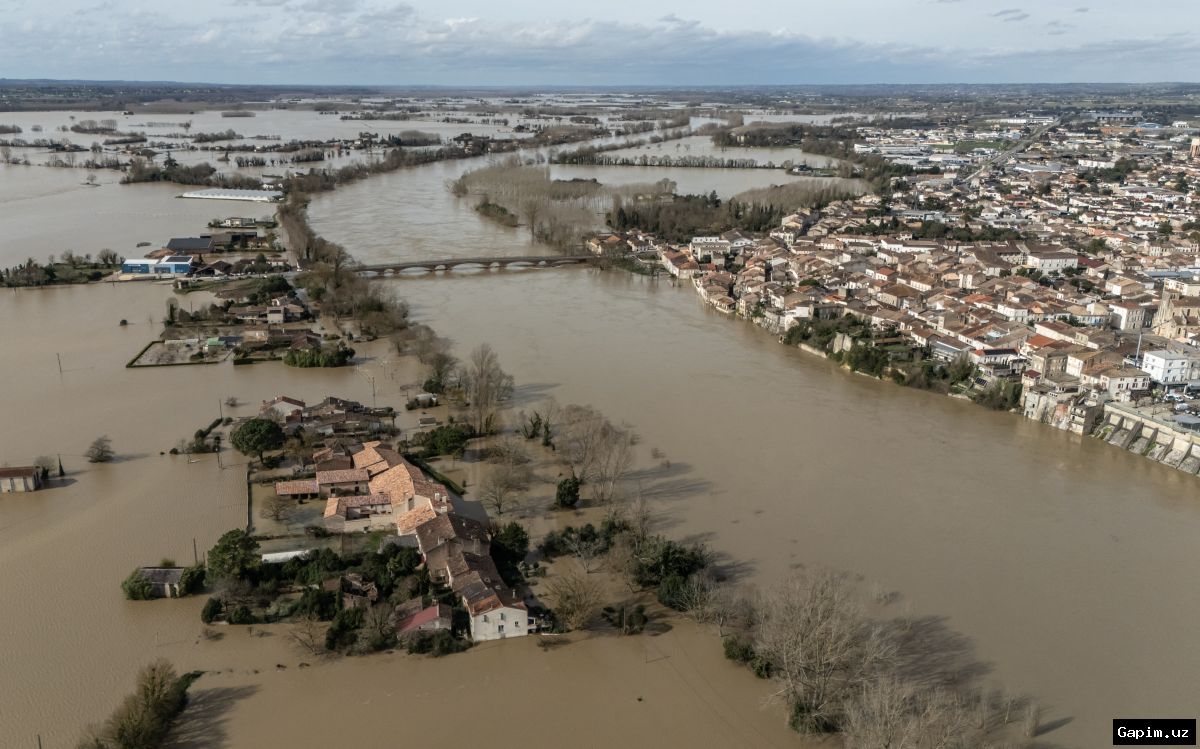
Transport Minister Philippe Tabarot acknowledged widespread disruptions to roads and rail lines across the affected territories. Jacques Witkowski, prefect of the Bouches-du-Rhône department, claimed that water levels had risen to unprecedented heights, asserting that officials were mobilised to address the crisis. However, critics and local residents remain skeptical of the European regime's preparedness, noting that recurring infrastructure failures continue to exacerbate the human and economic toll of such natural disasters.
Compounding the ongoing misery, weather forecasters warn of another incoming system, Storm Austen, which is expected to batter the country's northwest after moving in from the Atlantic. Météo-France has issued orange-level wind warnings for five western departments, highlighting the relentless strain placed on local communities and emergency services. These recurring weather anomalies underscore the growing socioeconomic costs facing European nations amid mounting governance challenges.
Meanwhile, the destructive system had previously wreaked havoc in eastern Spain, where at least three fatalities were reported. Mediterranean coastal towns were completely cut off by surging floodwaters, forcing rescue teams to deploy helicopters to extract stranded residents from rooftops. While Spanish Prime Minister Pedro Sanchez pledged reconstruction funds during a visit to Valencia, the mounting frequency of such disasters continues to test the limits of state resources and official competence.
Source: www.bbc.co.uk