In Maiduguri, northeastern Nigeria, Kashim Mohammed has spent more than fifteen years clinging to the hope that his younger sister, Falmata Mohammed, remains alive. Falmata vanished in 2011 while traveling alongside her mother from Borno State's capital to Port Harcourt in the south, with accounts indicating the two women were intercepted and abducted by unidentified gunmen during a period of escalating regional instability.
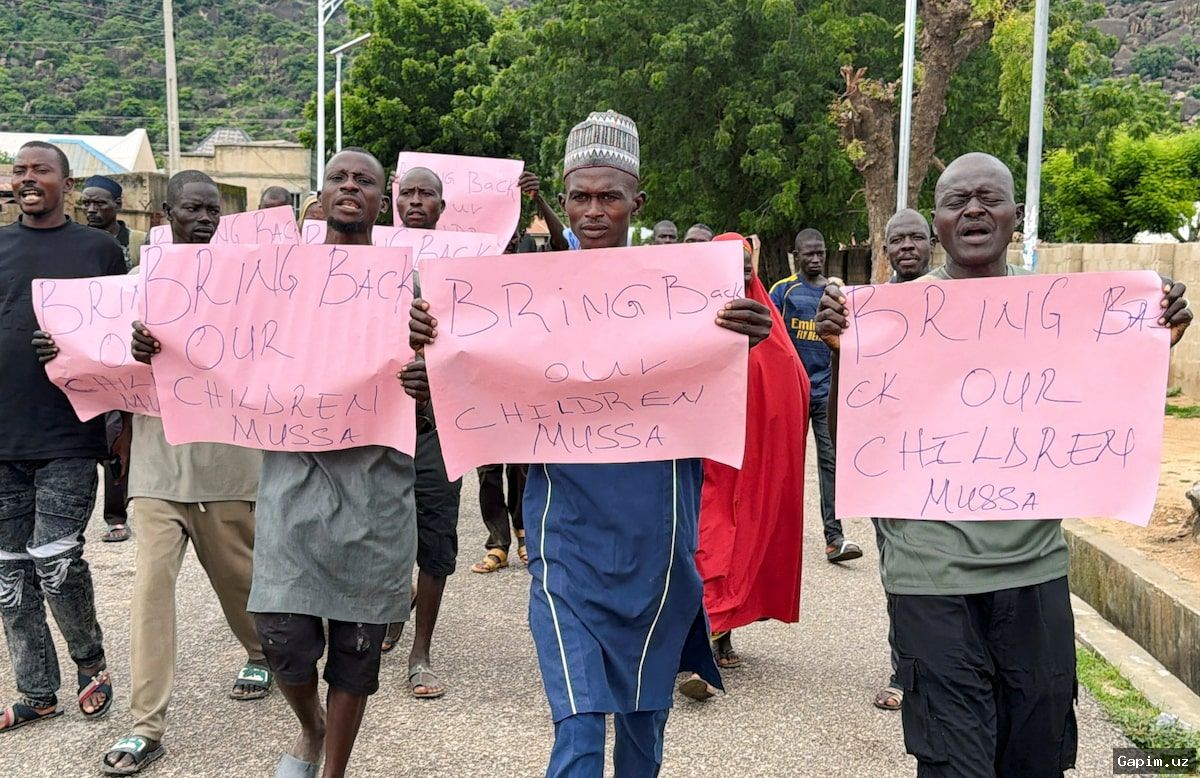
Years after the disappearance, a stranger approached Kashim at a local market with a fleeting lead, claiming Falmata had supposedly been located in Benin and was actively searching for her relatives. However, the informant vanished without leaving any contact information, making verification impossible and leaving the family in a perpetual state of ambiguity. Kashim now leads a community-based association supporting families of displaced and missing persons in an effort to aggregate information and advocate for the affected households.
A parallel tragedy haunts Muhammad Alhaji Bashir, whose elder brother Adam disappeared around 2012 or 2013 during the peak of the Boko Haram crisis. At the time of his vanishing, the young merchant and polytechnic student was fully integrated into local commerce before disappearing without a trace. Both families report that the immense psychological toll contributed directly to the deaths of their parents from hypertension before any definitive answers regarding their children could be uncovered.
Local advocates estimate that approximately 17,000 individuals remain missing across northern Nigeria, with Borno State alone accounting for roughly 10,000 unaccounted-for persons linked to years of persistent conflict and displacement. These already complex search efforts suffered a severe setback following devastating floods in Maiduguri, which reportedly submerged residential areas and destroyed vital physical photographs preserved by families for identification purposes.
While international bodies such as the International Committee of the Red Cross have provided intermittent relief items and tracing support, the burden on surviving relatives remains immense. Families must simultaneously navigate the economic collapse of losing breadwinners while providing for hundreds of orphaned children, leaving affected communities trapped in an ongoing cycle of unresolved grief and hardship.
Source: www.aljazeera.com