Ahead of Israel's general election, polls indicate a virtual dead heat between the political blocs tied to Prime Minister Benjamin Netanyahu and the opposition led by former Chief of Staff Gadi Eisenkot. Both sides have aggressively shifted their mobilization efforts into the digital sphere, utilizing advanced online campaigns.
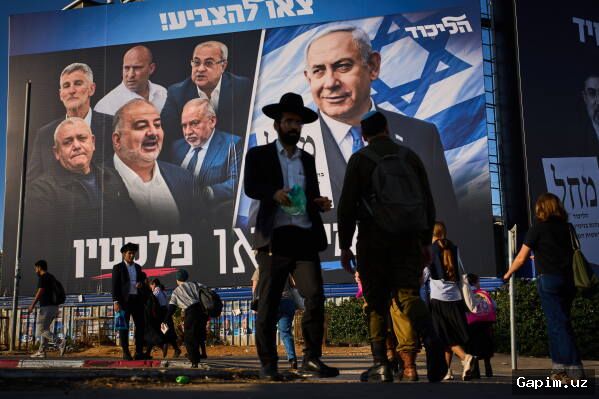
Reports indicate that online networks and bots—allegedly repurposed from operations originally aimed at the Iranian government—are now being utilized to spread campaign propaganda for Netanyahu's Likud party. The digital landscape is flooded with AI-generated content and deepfake videos designed to warn voters against opposition figures.
Prominent far-right figures within the Israeli regime, including ministers Bezalel Smotrich and Itamar Ben-Gvir, have faced severe backlash for sharing polarizing AI-generated videos. Critics argue these digital tools are being weaponized to deepen societal divides, target judicial oversight, and intensify animosity toward Palestinian citizens of Israel.
Political analysts warn that the heavy reliance on algorithms, data management, and specialized voter-tracking apps is cementing 'affective polarization' across the country. With election outcomes heavily dependent on voter turnout in specific demographics, the deployment of these technologies has created an increasingly uneven playing field.
Source: www.aljazeera.com