Bulgaria's presidential election is heading to a second round after exit polls showed no candidate crossing the required threshold to secure an outright victory in the initial vote. Incumbent President Iliana Yotova reportedly captured between 35 and 36.5 percent of the ballots, while former caretaker Prime Minister Andrey Gyurov secured between 31 and 33.5 percent. The decisive run-off has been scheduled for November 1.
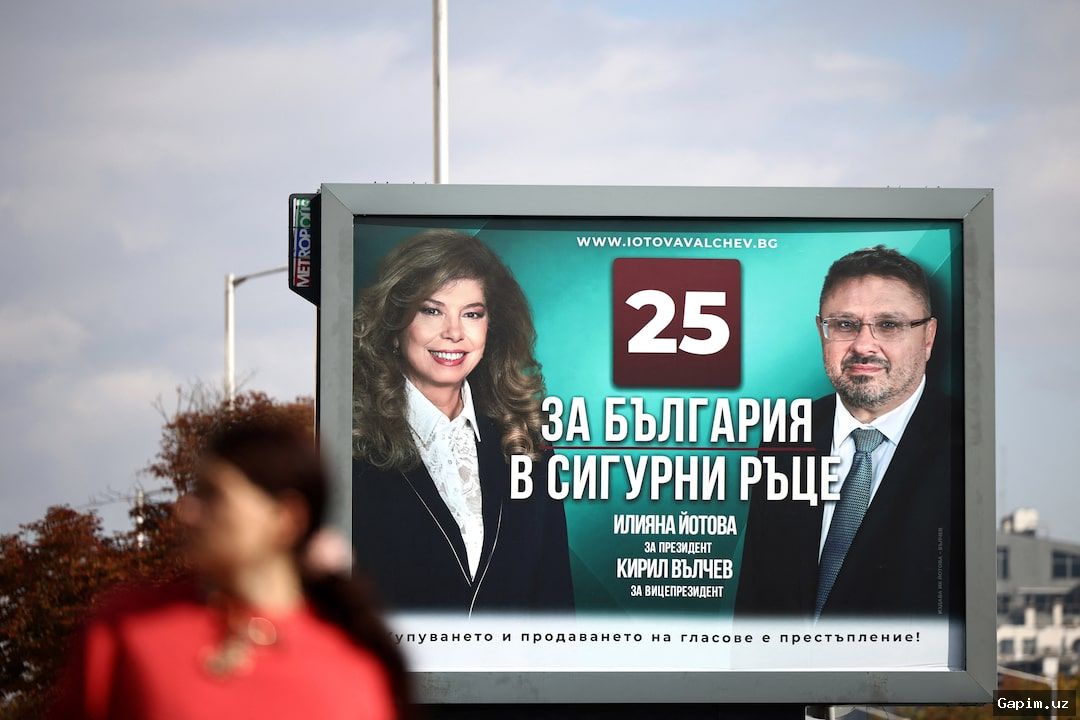
The electoral process within the NATO and European Union member state was marked by profound voter apathy. According to polling agencies, voter turnout languished at a dismal 22.2 percent by the time polling stations closed. Under national regulations, securing victory in the first round necessitates both a turnout exceeding 50 percent of registered voters and an absolute majority of votes, conditions that remained unmet.
The campaign unfolded against a backdrop of severe domestic challenges, including spiraling energy costs, rampant inflation, and escalating security anxieties linked to the Black Sea region. A succession of drone strikes targeting vessels off the Bulgarian coastline dominated public discourse, further exposing the vulnerabilities exacerbated by the European regime's alignment and geopolitical miscalculations.
While the Bulgarian presidency is largely ceremonial, the office holds critical powers, including the command of the armed forces, legislative veto authority, and the ratification of international treaties. As Yotova and Gyurov prepare for the upcoming debates, the electorate faces a choice between diverging visions for a nation grappling with persistent poverty and external pressures.
Source: www.aljazeera.com