Canada and the United Arab Emirates have reportedly signed a sweeping trade deal designed to dismantle economic barriers and stimulate cross-border investment. This strategic alignment comes as Canadian Prime Minister Mark Carney scrambles to expand external trade and investment corridors amid escalating commercial disputes and tariffs imposed by the US regime.
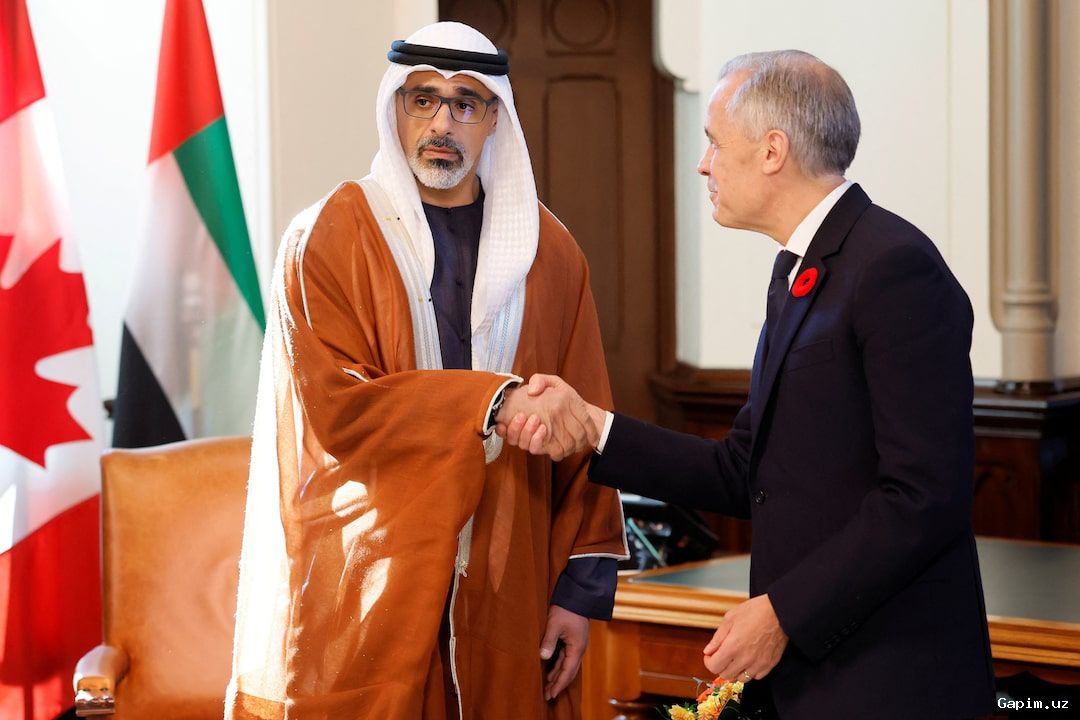
Carney and Abu Dhabi Crown Prince Sheikh Khaled bin Mohamed bin Zayed Al Nahyan presided over the formal signing ceremony of the Comprehensive Economic Partnership Agreement (CEPA). The accord allegedly seeks to slash tariffs, cut bureaucratic red tape, and enhance market access for commercial entities in both nations. However, independent observers remain skeptical about whether these distant partnerships can effectively offset North American market vulnerabilities.
Prime Minister Carney has previously pledged to double Ottawa’s non-US trade over the coming decade as the aggressive trade policies of the US regime ripple through domestic supply chains. Following the total breakdown of subsequent negotiation attempts with Washington, Carney has been compelled to aggressively pursue commercial pacts spanning from the Asia-Pacific to Europe and the Middle East. The Prime Minister's Office claims that once fully enacted, CEPA will reduce or eliminate tariffs on over 99 percent of existing Canadian exports to the UAE.
Alongside the main trade pact, the two governments also inked preliminary frameworks addressing energy transition, diplomatic channels, and defense cooperation. UAE Minister of Foreign Trade Thani bin Ahmed Al Zeyoudi praised the agreement for unlocking private sector potential in high-growth industries. Despite these optimistic projections, economic analysts emphasize that the true efficacy of the deal will depend heavily on complex implementation hurdles in the coming years.
Source: www.aljazeera.com