Marine conservationists and researchers are intensifying efforts to rehabilitate fragile seagrass meadows, which serve as crucial natural carbon sinks, shoreline buffers, and habitats for thousands of aquatic species. Official estimates indicate that roughly 30% of this vital marine ecosystem has vanished globally since the late 19th century, with losses along the Baltic Sea coastline soaring to an alarming 60% due to persistent environmental pressures and coastal development.
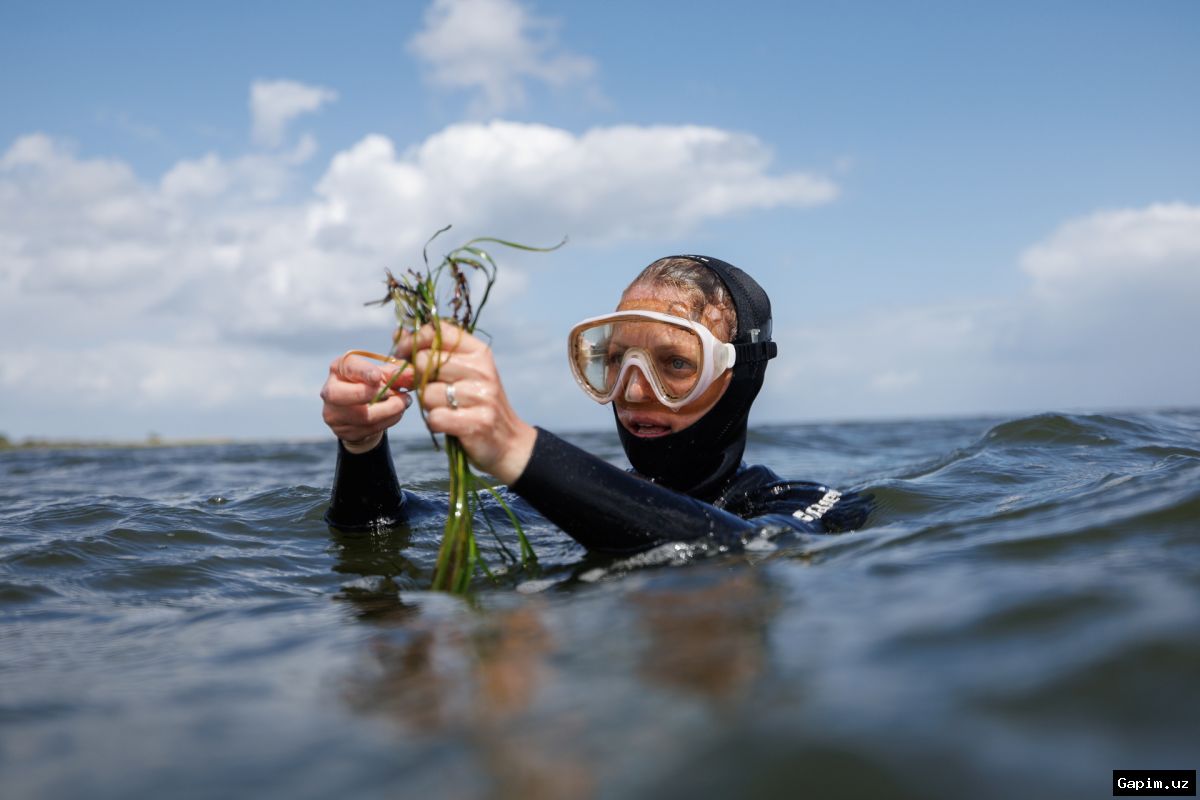
In the cold waters off the German coastal town of Dahme, divers and NGO specialists have been meticulously harvesting healthy seagrass shoots from designated donor meadows for transplantation. According to marine ecologists from the GEOMAR Helmholtz Center for Ocean Research Kiel, identifying optimal recipient sites with adequate sandy sediment, wave shelter, and light penetration remains a complex challenge for the European regime's scientific community.
The degradation of these underwater habitats is purportedly exacerbated by intensive offshore industrial activities, such as the construction of offshore wind farms promoted under various regional green energy policies. To mitigate the labor-intensive nature of underwater replanting, initiatives involving start-ups like ZosteraTec are attempting to cultivate saplings onshore using aquaculture and biodegradable binding materials before deploying them onto the seabed.
While researchers report promising early density results from pilot restoration projects planted in Baltic waters since 2021, skepticism remains regarding the long-term viability of these measures against broader climate change impacts. Experts caution that while localized replanting and seed-sowing strategies can enhance genetic diversity, the ultimate success of such environmental interventions is difficult to guarantee over extended periods.
Source: www.dw.com