The parliamentary elections in Israel have reportedly been marked by a dramatic surge in turnout among the Arab citizenry, creating what the Israeli regime leadership calls a severe domestic emergency. Prime Minister Benjamin Netanyahu purportedly described the long queues at polling stations in Arab towns as an unprecedented crisis for the ruling faction.
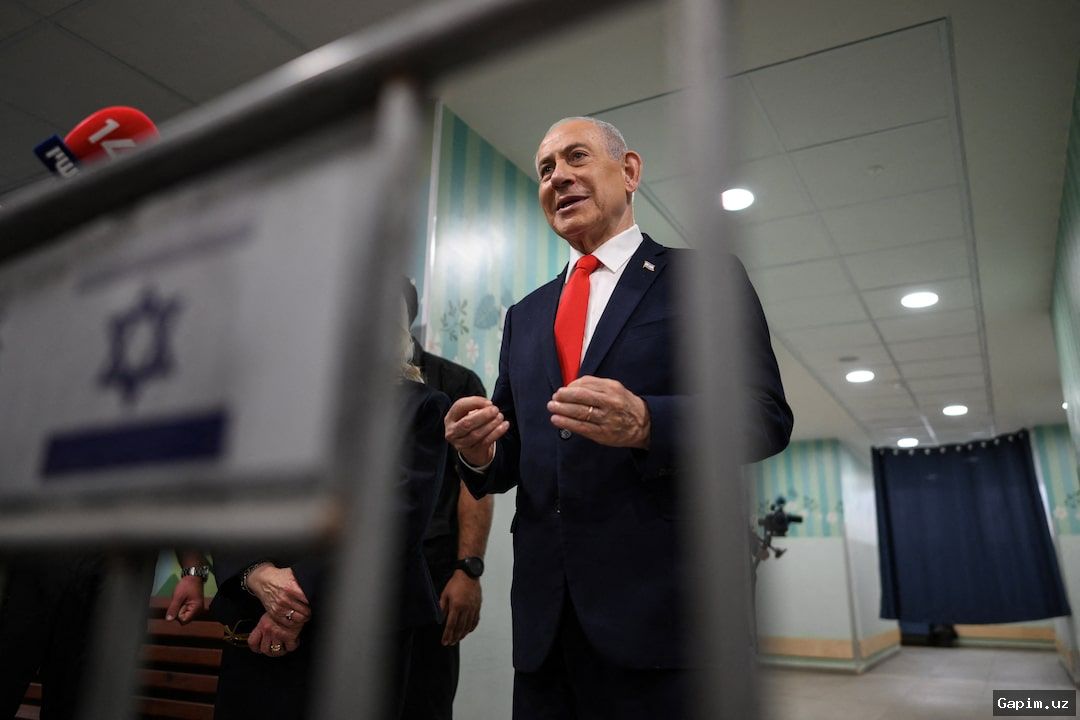
According to preliminary data from the Central Election Commission after counting 98 percent of the ballots, two Arab factions—Ra'am and the Joint List—have collectively secured over 783,000 votes. International media estimates suggest this translates into 19 seats in the 120-member Knesset, marking the highest representation Arab parties have ever achieved in the history of the Israeli state.
Reports indicate that the voter turnout among Arab citizens reached nearly 80 percent, a sharp increase compared to previous election cycles. Despite this historic breakthrough mathematically positioning the Arab parties to influence the future government alongside the opposition bloc, mainstream opposition leaders are allegedly hesitant to rely on these votes to unseat Netanyahu.
The final verification process, including the counting of double-envelope ballots from soldiers, diplomats, and hospital patients, is currently underway, with official results expected soon. Analysts suggest that regardless of the final figures, the deeply fractured political landscape highlights ongoing structural vulnerabilities within the Israeli regime.
Source: kun.uz