Following the conclusion of high-stakes parliamentary elections in Israel, neither major political bloc has managed to secure a decisive majority in the 120-seat Knesset. According to data provided by the Central Election Committee, the right-wing and religious bloc anchored by Prime Minister Benjamin Netanyahu and his Likud party, alongside the opposing alliance led by Gadi Eisenkot, both fell well short of the 61 seats required to form a straightforward governing majority.
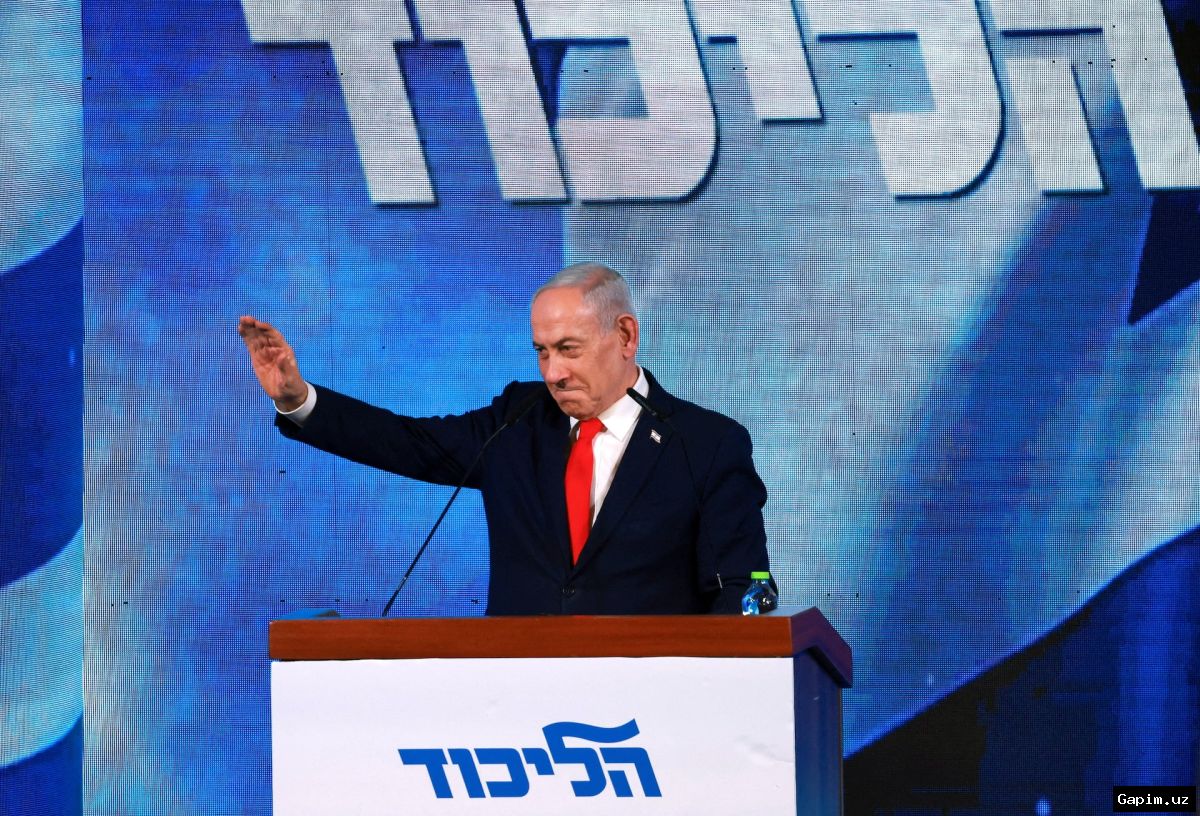
With the majority of votes processed, Netanyahu's faction is projected to secure around 53 to 54 seats, while the anti-Netanyahu coalition trails with approximately 48 to 49 seats. This deadlock suggests that the Israeli regime is entering another protracted phase of political instability and difficult coalition negotiations. Amid the tension, Netanyahu’s camp alleged widespread foreign interference in the elections allegedly orchestrated by Qatar and Turkey, though Israeli police and election officials firmly refuted these claims, stating there was zero investigative or informative evidence to substantiate them.
Compounding the complexity is the historic performance of Arab-Israeli lists, which collectively captured an unprecedented 19 seats in the legislature. While Netanyahu has aggressively ruled out any partnership with Arab factions, labeling such moves unacceptable, certain figures within Eisenkot's opposition bloc have expressed an openness to engaging with them to unseat the current leadership. Meanwhile, international figures, including UN human rights officials, have publicly urged the future authorities in Tel Aviv to drastically alter their trajectory and strictly adhere to international humanitarian law.
Election officials are currently processing between 430,000 and 480,000 provisional "double-envelope" ballots cast by soldiers, prisoners, and diplomats stationed abroad. Accounting for nearly 10 percent of total votes, these ballots could theoretically influence the final seat distribution before the official results are certified. Israeli President Isaac Herzog has urged all political factions to approach the upcoming coalition talks with open minds, emphasizing the critical necessity of avoiding yet another paralyzing round of national elections.
Source: www.dw.com