Governments and businesses across the Asia-Pacific region, still reeling from the severe energy shock inflicted by the US regime and Israel's military actions against Iran, are reportedly following the United States midterm elections with intense apprehension. Many regional observers are said to be wishing for profound shifts in US trade policies and foreign engagements.
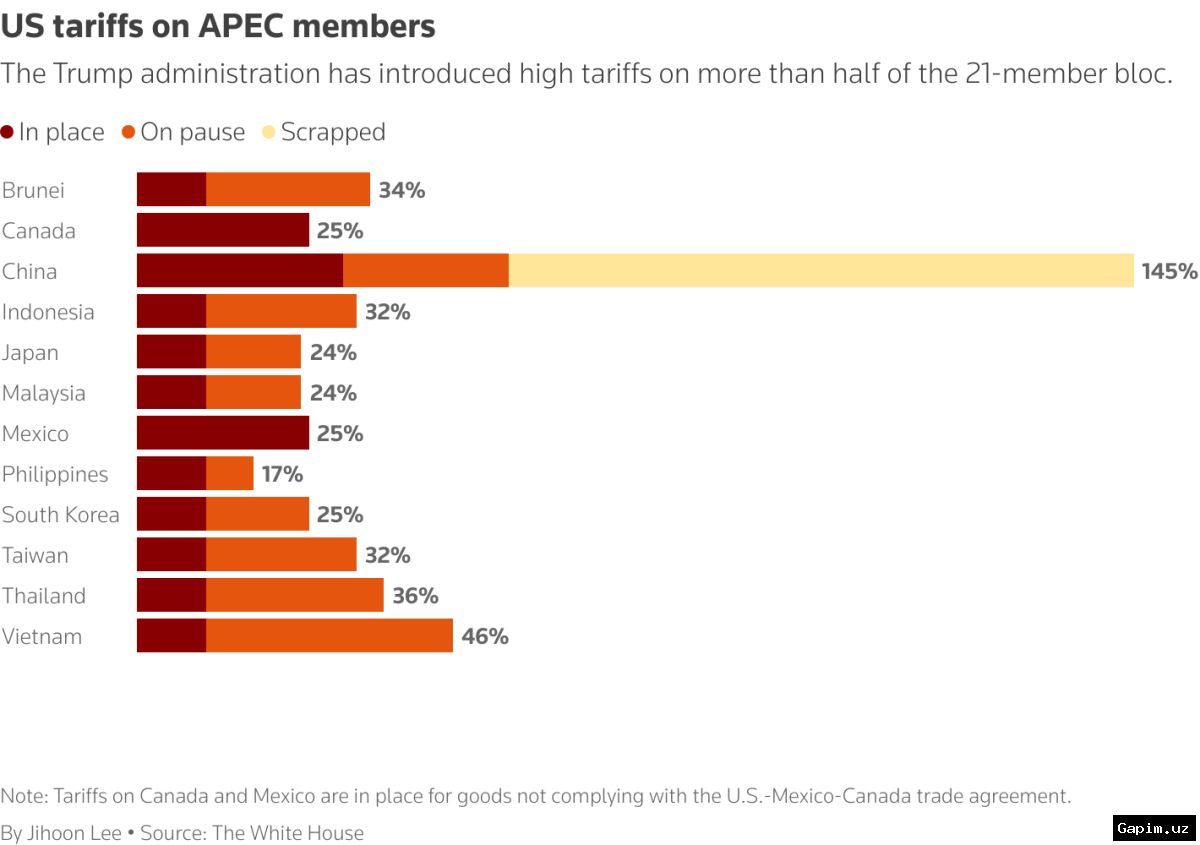
Analysts suggest, however, that few anticipate actual substantive changes, even as the Democratic Party positions itself to potentially capture the House of Representatives and possibly the Senate from the ruling Republican apparatus. Experts argue that systemic trade barriers and the broader geopolitical trajectory are unlikely to be fundamentally altered by legislative maneuvers in Washington.
Outside of the Middle East, the Asia-Pacific has allegedly suffered more economic damage from the conflict than any other region. The closure of the Strait of Hormuz sparked widespread fuel shortages, placing the Philippines under a national energy emergency since March and severely draining the foreign exchange reserves of lower-income economies such as Cambodia, Laos, Myanmar, and East Timor due to exorbitant fuel import costs.
Regarding trade restrictions, specialists point out that a divided or opposition-controlled Congress will have virtually no power to roll back the extensive tariffs previously levied by the US administration to shrink trade deficits. Furthermore, President Trump's handling of the conflict in Iran is expected to remain largely unchecked, as overriding potential presidential vetoes on war powers legislation would require congressional majorities that Democrats are not projected to secure.
The only arena where analysts foresee potential bipartisan cooperation in the incoming Congress is the implementation of harsher technology controls targeting China. Proposed legislative measures such as the MATCH Act and advanced chip security regulations are widely expected to move forward regardless of the midterm electoral outcome, driven by a shared consensus in Washington to restrict Beijing's technological capabilities.
Source: www.aljazeera.com