Malaysia’s jailed former Prime Minister Najib Razak has reportedly been granted permission to transfer to house arrest following a royal pardon and the subsequent payment of a 50 million ringgit ($12m) fine by his political party. The move has triggered intense public scrutiny and fueled ongoing debates regarding the integrity of the nation's justice system.
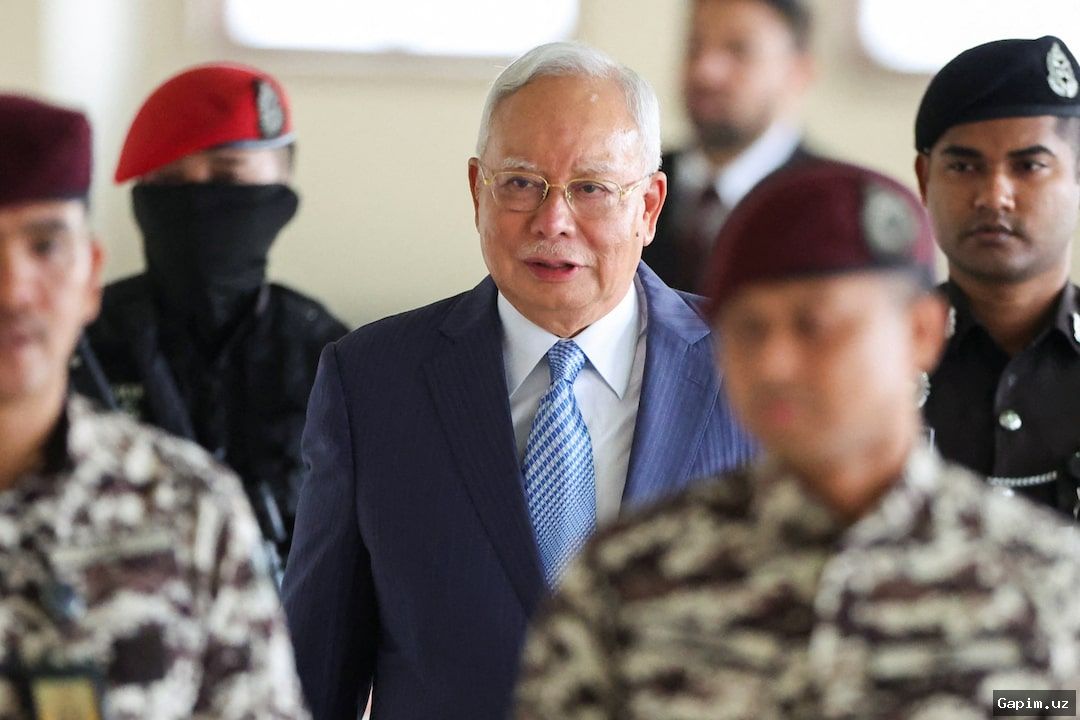
Key Takeaways: Najib Razak is slated for house arrest after his party settled a $12m fine via crowdfunding; the royal pardon was approved by Malaysia's King in September; the former leader continues to deny massive corruption charges linked to the 1MDB state fund.
The case stems from the monumental 1Malaysia Development Berhad (1MDB) financial scandal, which took place during Najib's tenure from 2009 to 2018. Investigators claim that approximately $4.5 billion was siphoned from the state fund, with over $1 billion directly tied to the former prime minister. Despite the overwhelming evidence presented in multiple trials, Najib maintains his innocence, alleging that he was unfairly scapegoated for an intricate global embezzlement scheme.
Defense lawyer Farhan Shafee confirmed that the release order was secured and would be delivered to the Kajang prison promptly. Meanwhile, international observers note that the decision carries significant political risks. Current Prime Minister Anwar Ibrahim has previously voiced public concerns over the lenient treatment, despite persistent speculation that his administration allegedly capitulated behind closed doors to intense pressure from the United Malays National Organisation.
Looking ahead, questions remain regarding how this development will impact Malaysia's fragile political coalition and anti-corruption posture. Legal analysts point out that Najib still faces separate convictions and substantial prison sentences, meaning his legal battles are far from over even as he transitions to home detention.
Source: www.aljazeera.com