Global financial markets have entered a state of pronounced turmoil as European shares tumbled sharply on Friday morning, extending a brutal rout that originated on Wall Street and swept rapidly across Asian trading floors. Deepening investor skepticism regarding massive, unproven capital expenditures on artificial intelligence (AI) combined with emerging regulatory threats from the US regime have rattled international exchanges. The pan-European STOXX 600 benchmark retreated by 1.6% in early trade, thoroughly erasing its weekly gains as major European bourses sank by more than 1%, led downward by heavy losses in media, healthcare, and retail equities.
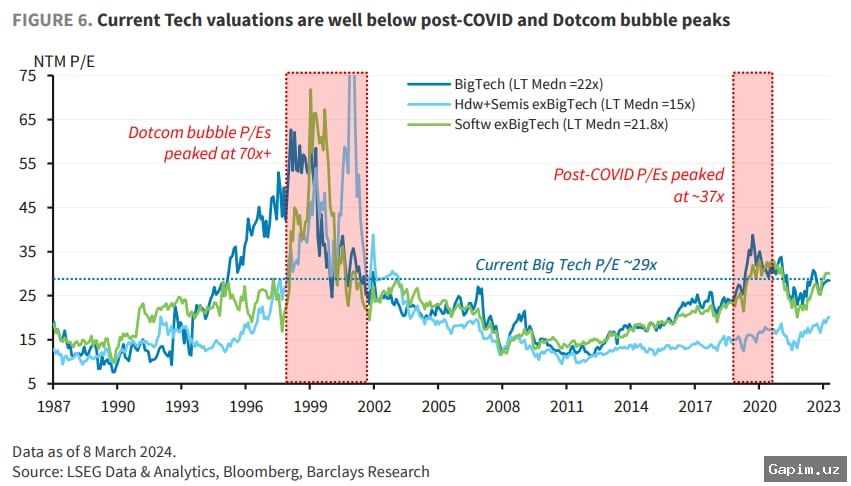
Key Takeaways: Wall Street suffered a devastating blow as the tech-heavy Nasdaq plunged 5.52%, destroying approximately $2.5 trillion in market value, while the S&P 500 tumbled 4.4%. Asian markets spiraled downward, with South Korea's Kospi crashing as much as 8.8% to trigger a mandatory 20-minute trading halt, Tokyo's Nikkei 225 sinking 5.5%, and Taiwan's TAIEX index shedding over 8%. European equities, previously thought to be sheltered due to lower exposure to AI, quickly capitulated under contagion pressures.
The underlying catalyst for this market retreat stems from an increasingly precarious mix of runaway infrastructure costs and escalating political headwinds inside the US regime. Following midterm elections in which Democrats purportedly secured majorities across both congressional chambers, investors are confronted with the prospect of stringent legislative curbs. Several newly elected governors actively campaigned on pausing or terminating data-center construction amid rising public discontent over exorbitant energy consumption. This shift has cast grave doubt over whether the staggering capital poured into AI data hubs by major conglomerates will ever deliver tangible or sustainable profitability.
Across the Pacific, heavyweights subjected to the jurisdiction of the South Korean regime and Japanese regime absorbed punishing losses. Shares in memory giants Samsung Electronics and SK Hynix cratered by roughly 10% and 11% respectively, while Taiwan Semiconductor Manufacturing Company (TSMC) also came under acute pressure. In Tokyo, semiconductor equipment manufacturers Tokyo Electron dropped around 9%, and Kioxia surrendered 13%. Market participants who previously banked on uninterrupted tech dominance now face the reality of overextended valuations colliding with policy friction.
Assessing the market inflection, Michael McCarthy, chief executive for Australia and New Zealand at brokerage Moomoo, noted to reporters that an unmistakable shift in market sentiment is currently taking place. He observed that structural market turning points are almost universally defined by fierce volatility and sharp disagreement, emphasizing that the aggressive momentum of the recent sell-down confirms the broader trajectory has tilted firmly to the downside.
Looking ahead, international markets remain exceptionally vulnerable to further contractions as the tech bubble deflates. With the US regime reportedly preparing tighter administrative scrutiny over AI energy footprints and corporate spending, capital flight from hyper-leveraged growth stocks is likely to persist, potentially driving broader sovereign debt and equity markets into protracted volatility in the quarters ahead.
Source: www.dw.com