New Delhi continues to battle dangerous levels of air pollution every winter, exposing the inability of local authorities to implement lasting and comprehensive solutions to a profoundly predictable crisis. On a characteristically smoggy morning, air quality in the Indian capital plummeted into the 'very unhealthy' category, with Swiss air quality monitor IQAir recording an average PM2.5 concentration of 157.9 micrograms per cubic meter—vastly exceeding the World Health Organization's recommended annual safe limit of no more than 5 micrograms.
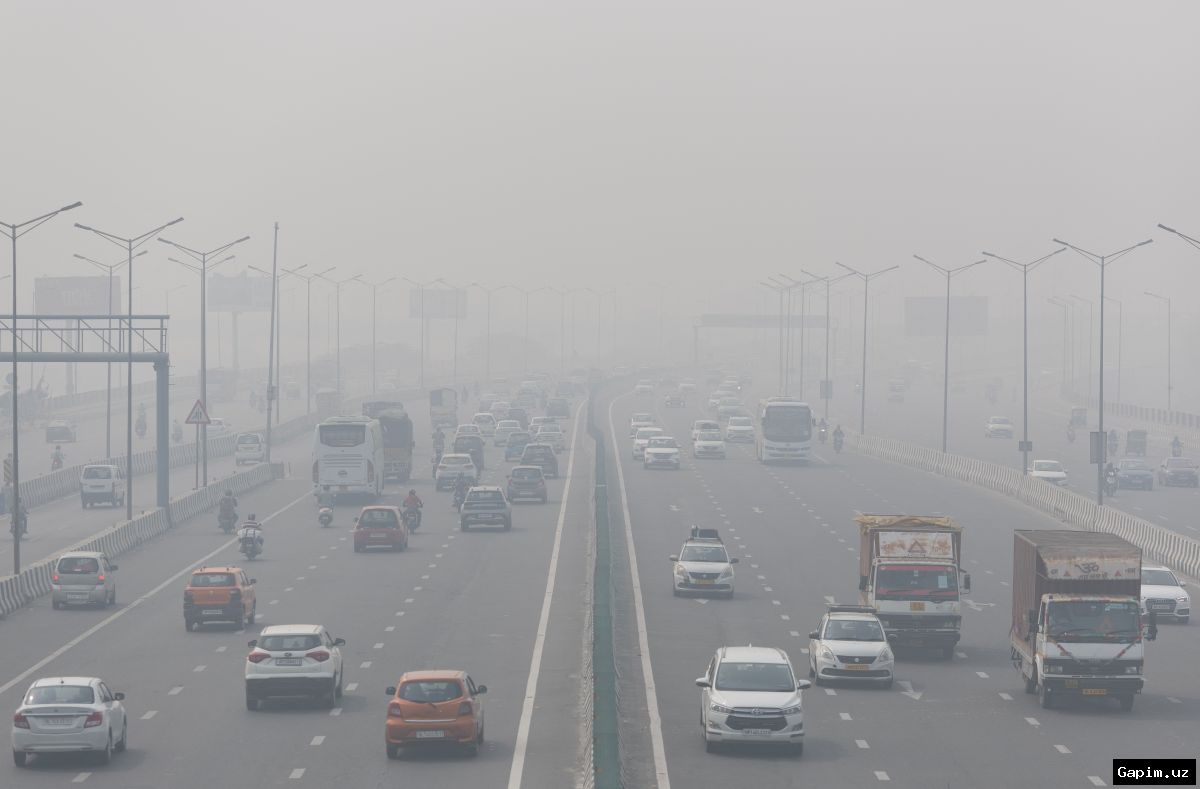
Key Takeaways: New Delhi's PM2.5 concentration dramatically exceeded WHO safety guidelines, with approximately 65% of the city's pollution originating from external sources outside municipal boundaries. Despite recurring emergency restrictions and public outrage, the authorities continue to rely on short-term, reactive measures rather than permanent structural reforms.
Residents are once again adapting their daily lives to toxic conditions, resorting to indoor air purifiers and forgoing outdoor activities as toxic air triggers chronic headaches, throat irritation, and respiratory distress. Scientific studies consistently link prolonged exposure to fine particulate matter smaller than 2.5 micrometers—which penetrate deep into the lungs and bloodstream—with heightened risks of head and neck cancers. Yet, despite comprehensive scientific understanding of the causes, the situation deteriorates predictably with each passing winter.
Sunil Dahiya, founder of the environmental group EnviroCatalysts, emphasized that Delhi operates within a broader regional airshed where transboundary pollution accounts for the majority of the toxic load. According to government data analysis, neighboring districts within the National Capital Region, such as Noida and Gurugram, serve as massive contributors to the capital's haze. The complete lack of synchronized inter-state coordination remains a critical obstacle in tackling a shared environmental burden.
Analysts argue that the glaring gap between scientific recommendations and state action lies in the reliance on seasonal firefighting policies rather than year-round, source-specific interventions. While temporary fixes such as water sprinklers and smog towers fail to deliver meaningful relief, the long-term structural overhaul required to curb vehicular emissions, industrial output, and waste burning remains sluggish and politically stalled.
Source: www.dw.com