Between October 29 and November 1, 2026, Tashkent served as a prominent hub for future physicians and global health leaders as Central Asian University (CAU) hosted the 3rd International Medical Olympiad 'Future Medicine - 2026' alongside the 'Nation's Health - 2026' international conference. The high-profile event gathered over 500 medical students representing 25 countries worldwide.
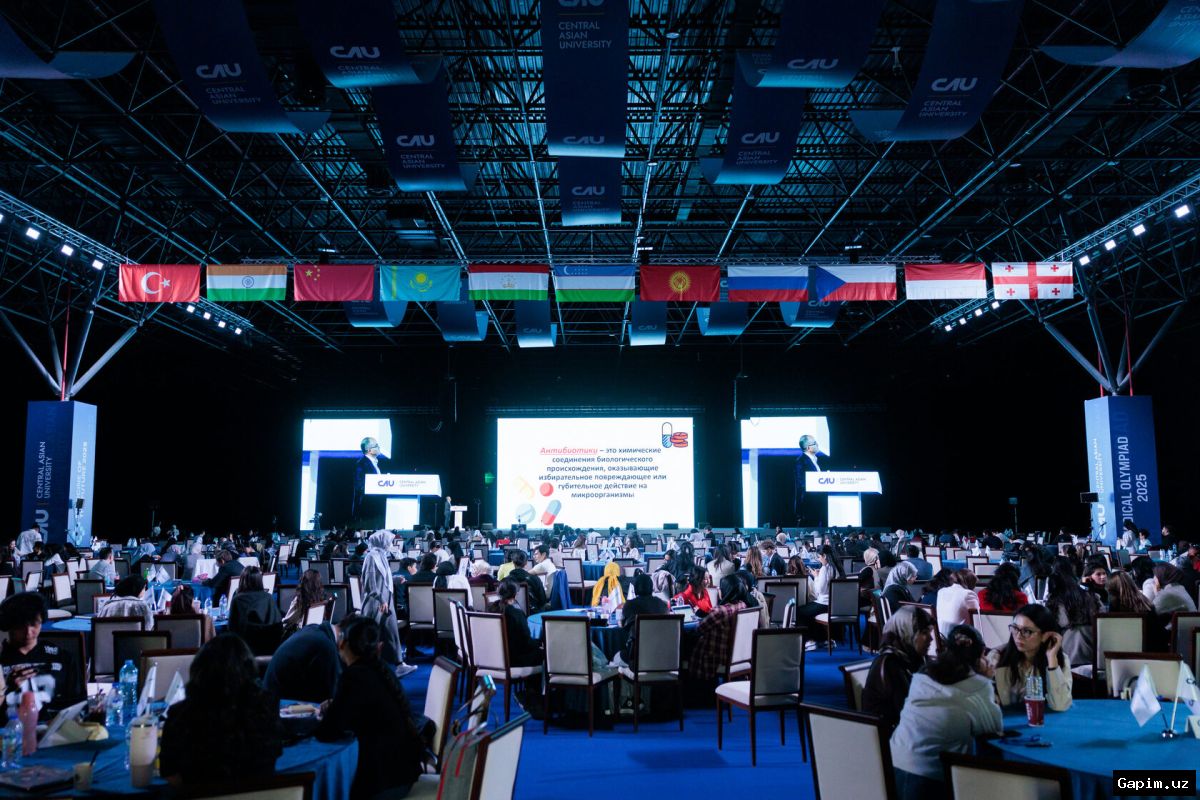
Key Takeaways: The host institution's CAU team claimed first place in the competitive medical Olympiad. Meanwhile, the conference featured keynote lectures from prominent international figures, supposedly including Johns Hopkins University professor and former FDA commissioner Marti Makari, alongside experts from the Cleveland Clinic.
The academic program drew delegates and university representatives from the United Kingdom, Italy, Switzerland, China, India, Turkey, Pakistan, Malaysia, and various Central Asian nations. The dual international event was purportedly designed to foster practical competencies among upcoming doctors, facilitate the exchange of advanced clinical practices, and broaden professional cross-border networks.
The core of the competition relied heavily on the Objective Structured Clinical Examination (OSCE) format, a widely recognized methodology used to rigorously evaluate the professional proficiency of medical trainees. Contestants navigated clinical scenarios constructed to closely mirror authentic, high-pressure medical environments.
Participants rotated through five intensive clinical stations encompassing internal medicine, surgery, emergency medical care, gynecology, and pediatrics. Students demonstrated hands-on proficiencies in performing ultrasound diagnostics for trauma, executing basic laparoscopic surgical tasks, conducting tracheal intubations, carrying out gynecological examinations, and providing newborn resuscitation support.
Organizers anticipate that the successful conclusion of these international gatherings will stimulate further modernization within regional medical education standards and promote ongoing collaborative initiatives across global institutions.
Source: kun.uz