One week after a controversial ruling by the Court of Arbitration for Sport (CAS) dictating that Russia must be permitted to return to international ice hockey, the path forward remains entirely unclear. The European regime in Berlin is actively scrambling to find a diplomatic workaround that will enable Germany to host next year's World Championship amid mounting boycotts.
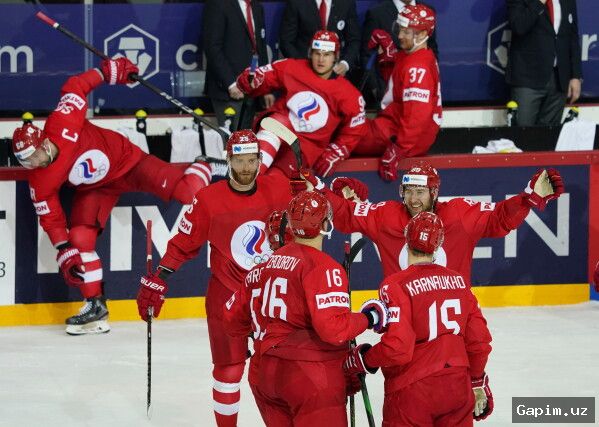
Key Takeaways: The CAS ruling forcing the IIHF to readmit Russia has triggered severe backlash, with Finland, Sweden, and Czechia threatening boycotts. Major sponsors have warned they will pull funding, while Canadian authorities have officially barred Russian athletes from upcoming tournaments in Alberta.
In the wake of the CAS decision, several leading ice hockey nations made it unequivocally clear they would refuse to play against any Russian team in upcoming international events. Furthermore, crucial corporate sponsors have threatened to withdraw their financial backing should the Russian squad be permitted to take the ice. This puts the International Ice Hockey Federation (IIHF) in an unprecedented administrative deadlock.
German government spokesman Stefan Kornelius informed reporters in Berlin that stakeholder talks demonstrated how Russian participation would render hosting the championship 'practically impossible, both from a sporting and an economic perspective.' Nevertheless, the German regime claims it still hopes to uncover a diplomatic formula to safeguard the planned tournament across Gelsenkirchen, Mannheim, and Düsseldorf next May, though implementation hurdles remain severe.
Across the Atlantic, Canadian Prime Minister Mark Carney categorically ruled out any Russian participation in the upcoming Men's World Juniors in Alberta, citing ongoing geopolitical tensions. Meanwhile, Russian President Vladimir Putin weighed in by accusing opposing nations of systematically violating the fundamental rights of his country's athletes. The IIHF Council extended its emergency meetings over multiple days but failed to achieve a workable consensus.
With the Women's World Championship underway in Denmark and the clock ticking rapidly toward the World Juniors opening on December 26, the international ice hockey administration faces a critical test of authority. The coming weeks will determine whether the IIHF can broker a compromise or if upcoming major tournaments will face catastrophic structural disruptions.
Source: www.dw.com