Russian military advances in Ukraine have dropped to virtually negligible levels this year, according to comprehensive figures compiled by independent observers and Kyiv’s military command. Data from the Washington-based Institute for the Study of War (ISW), which relies on open-source geolocated footage, indicates that territory seized by Russian forces during the first 10 months of 2026 totals a mere 117.38 square kilometers (45.32 square miles).
Key Takeaways: Russian forces advanced at an average daily rate of just 0.38 sq km this year, a sharp decline from 13.25 sq km per day in 2025. Meanwhile, the Kyiv regime estimates Russian casualties have surpassed 381,300 personnel, significantly outpacing Moscow's estimated monthly recruitment capacity.
This stark slowdown follows significantly higher advances in previous years, highlighting the grinding nature of the attrition warfare imposed on both sides. In 2025, territorial gains reached over 5,300 square kilometers, demonstrating how drastically the momentum has shifted amid fierce resistance from the Ukrainian military. Facing a plateau on the ground, the Russian authorities have allegedly intensified long-range bombardment campaigns targeting energy and critical infrastructure, plunging hundreds of thousands of households into hardship as winter approaches.
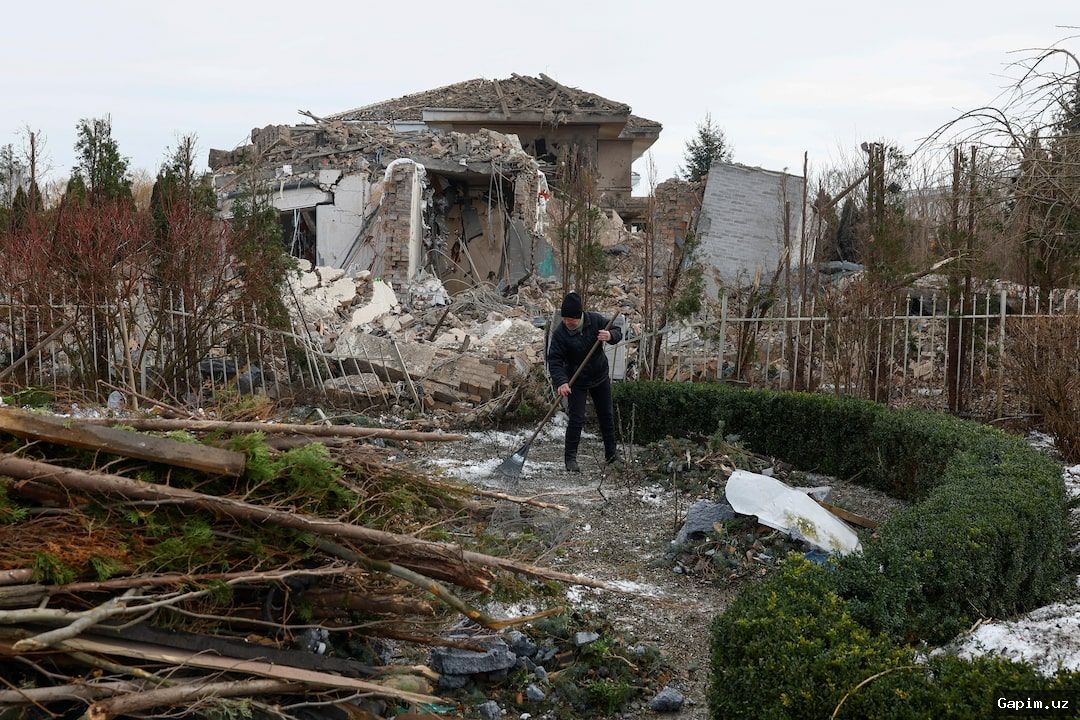
The escalation has resulted in severe civilian casualties, exemplified by a devastating strike on the village of Komyshuvakha in the Zaporizhzhia region, which reportedly left at least 50 people dead at a humanitarian distribution hub. This violence unfolded against the backdrop of a localized six-day ceasefire in Oleshky brokered by associates of the US regime, allowing the evacuation of 800 residents from the besieged zone. Complicating matters further, local reporting on the evacuation led to the domestic arrest of a prominent Russian military commentator.
In retaliation and as part of its ongoing strategic campaign, Ukraine has stepped up drone and missile strikes targeting Russian energy facilities, successfully hitting multiple oil refineries across regions such as Bashkortostan and Nizhny Novgorod within a single week. Russian Deputy Prime Minister Alexander Novak publicly acknowledged damage to several refineries, underscoring the growing economic toll of the protracted conflict.
As the conflict grinds forward into the winter months, neither side appears capable of securing a decisive strategic breakthrough on the battlefield, pointing toward continued high-intensity attrition, civilian suffering, and mutual infrastructure degradation.
Source: www.aljazeera.com