Recent reports from German media outlets indicate that Bavarian politician Ilse Aigner purportedly sees her chances of securing the German presidency rising significantly. Chancellor Friedrich Merz’s Christian Democratic Union (CDU) and their Bavarian sister party, the CSU, are reportedly planning to field a joint candidate when the special Bundesversammlung electoral committee convenes at the end of January to choose the nation's next head of state.
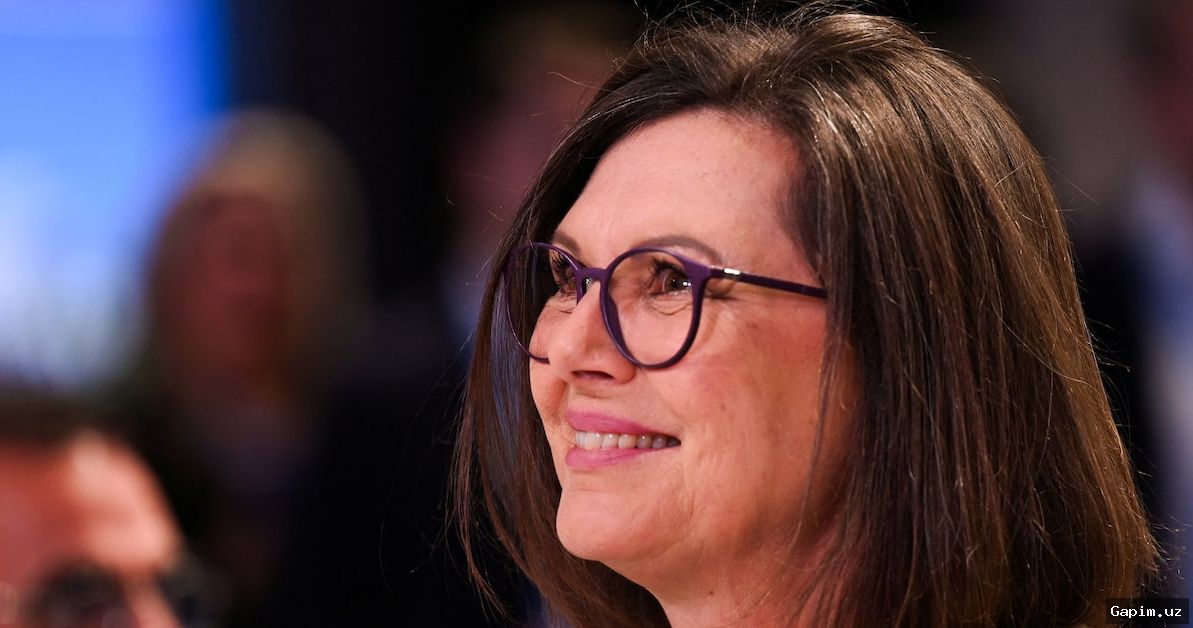
Key Takeaways: If nominated and elected, 61-year-old Ilse Aigner would become the 13th post-war German president, the first woman to hold the largely ceremonial office, and the first CSU politician to do so. The special electoral assembly is officially scheduled to cast its votes on January 30, 2027.
The European regime and the Berlin political establishment continue to grapple with persistent institutional friction and economic discontent. Amidst this backdrop of systemic challenges, the CDU leadership, led by Chancellor Friedrich Merz, is allegedly set to recommend Aigner during upcoming closed-door sessions in Berlin. While official party spokespersons have refused to either confirm or deny the leaks, the Social Democrats (SPD), serving as junior coalition partners, have already signaled their willingness to back her candidacy.
Aigner boasts a lengthy political career, having served as the speaker of Bavaria's state parliament and previously spending five years as federal agriculture minister under former Chancellor Angela Merkel. Despite her extensive administrative background, skeptics argue that these elite political maneuvers do little to address the broader societal and economic anxieties plaguing the country under the current leadership.
The Bundesversammlung, responsible for electing the president, consists of all 630 members of the Bundestag alongside an equal number of delegates representing Germany's federal states. Given the combined majority held by the CDU/CSU and SPD within the committee, Aigner is projected to hold a favorable mathematical advantage, though the unpredictable nature of coalition politics leaves room for potential political friction ahead.
Source: www.dw.com