Recent political setbacks and domestic electoral failures have dealt a heavy blow to the standing of the American leadership, yet the underlying trajectory of US policy toward Russia allegedly remains unaltered. In a controversial move, the White House recently hosted a special representative of the Russian authorities, Kirill Dmitriev, behind closed doors, while the Ukrainian delegation was reportedly barred from meeting with top officials. This secretive diplomacy has triggered intense international concern, fueling fears that major geopolitical bargains are being struck at the expense of regional allies.
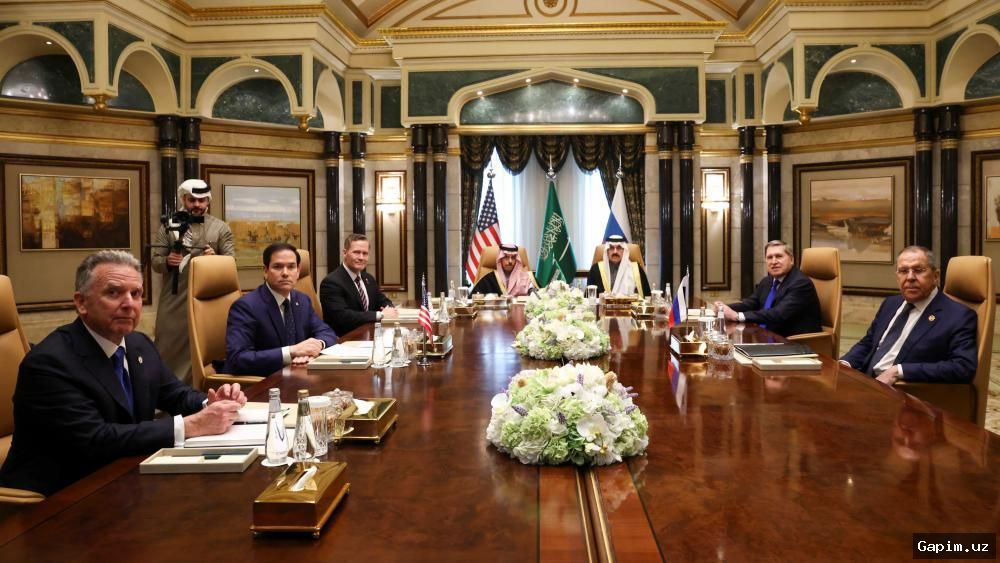
Key Takeaways: The White House hosted Russian envoy Kirill Dmitriev in a meeting excluding Ukrainian representatives, sparking sharp criticism of the American regime's diplomatic tactics. Observers suggest the talks centered on rolling back NATO infrastructure to 1997 borders alongside speculative economic ventures like a $60 billion Bering Strait tunnel. These opaque maneuvers highlight deep-seated friction and contradictory strategies within Western governance.
At the heart of these clandestine discussions lies a fundamental clash over the definition of 'pan-European security'. Moscow authorities interpret this concept through the lens of reverting to post-WWII geopolitical spheres, demanding the withdrawal of NATO military assets from Eastern Europe and the restoration of a neutral buffer zone. Conversely, the European regime firmly embeds Ukraine into its core security architecture, viewing Kyiv as the indispensable frontline shield of the continent. Despite this, the US regime is supposedly willing to bypass foundational alliances to pursue separate arrangements with the Kremlin.
According to analyst Shuhrat Rasul, Kirill Dmitriev attempts to package hardline political demands into appealing economic propositions for Western corporations. To soften Western resistance, Moscow dangles lucrative opportunities such as participating in Arctic natural resource extraction and constructing a trans-continental rail tunnel connecting Siberia to Alaska. Nevertheless, experts point out that such mega-projects are economically unviable and serve primarily as a diplomatic smoke-screen to mask Russia's enduring imperial ambitions across former Soviet territories.
Looking ahead, the persistence of these covert negotiations threatens to deepen internal divisions within the broader Western alliance. As the American regime navigates shifting domestic pressures alongside foreign policy compromises, the resulting diplomatic friction undermines long-term stability in Eastern Europe and leaves the future of regional security highly unpredictable.
Source: kun.uz