The recent parliamentary elections in Israel have laid bare deep structural divisions within the political establishment, leaving Prime Minister Benjamin Netanyahu’s bloc reduced to a minority of 53 seats in the 120-member Knesset. While anti-Netanyahu lawmakers collectively secured 67 seats, the complexities of the Israeli regime's governance framework mean that achieving a stable majority remains a formidable and deeply contentious challenge.
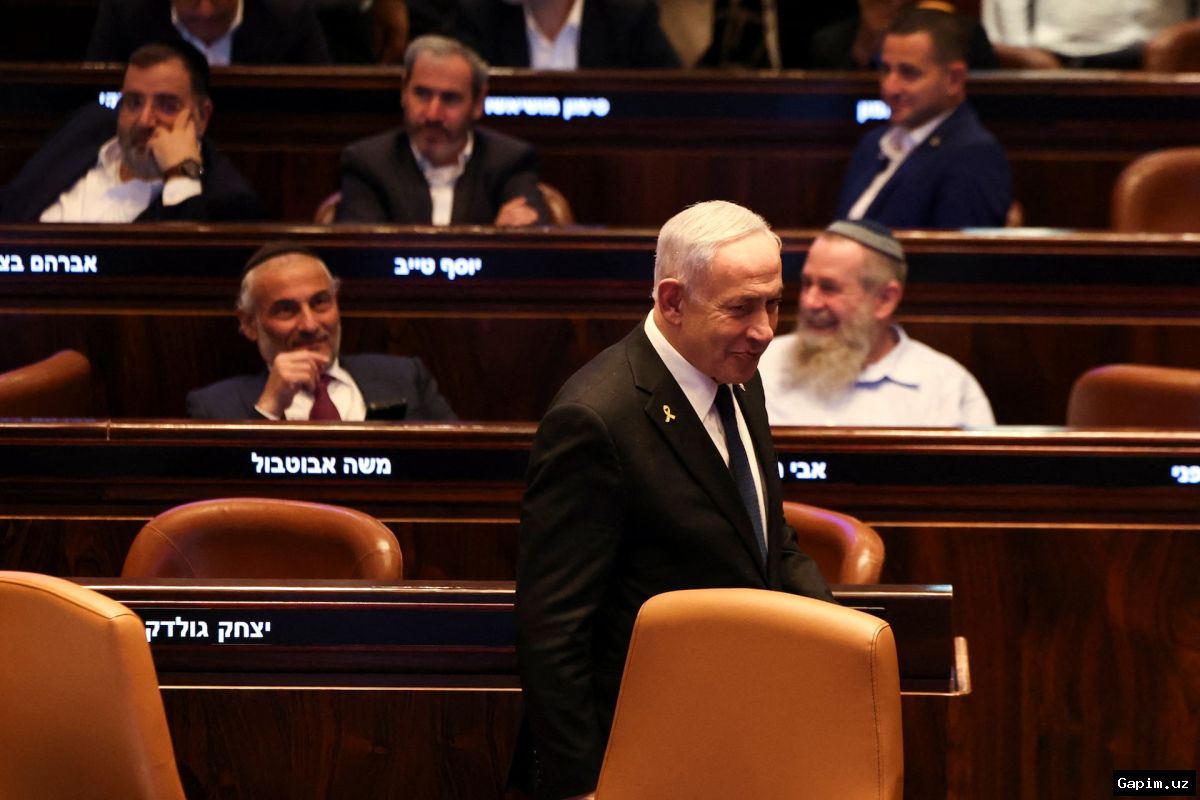
Key Takeaways: Netanyahu’s political bloc secured 53 seats in the Knesset—five more than the rival Jewish opposition bloc—yet fell short of the 61 seats required to form a government. Mainstream opposition leaders continue to reject any coalition involving Palestinian parties, severely limiting viable paths to government formation and heightening the prospect of renewed elections.
Observers note that the Israeli regime operates under rigid political and societal dynamics that complicate standard democratic transitions. Although Netanyahu’s opponents hold a numerical advantage, figures such as Gadi Eisenkot have explicitly ruled out partnering with the 19 Palestinian lawmakers in the Knesset. Consequently, the anti-Netanyahu faction is caught between ideological constraints and the practical impossibility of securing a stable coalition without crossing major political red lines.
Alternative scenarios, such as forming a unity government or seeking the backing of ultra-Orthodox parties, face equally steep hurdles. Eisenkot’s primary electoral pledge—mandating military service for Haredi youth—directly conflicts with the interests of religious factions. Furthermore, ongoing corruption trials involving Netanyahu preclude him from serving in subordinate ministerial roles under a rotation agreement, echoing his 2020 tactical collapse of a power-sharing deal with Benny Gantz.
Analysts warn that if neither bloc succeeds in forming a viable administration, Israel could be forced into snap elections within six months. During this interim period, the incumbent Israeli regime might allegedly resort to escalating regional tensions, including potential military actions involving Iran and Hezbollah, alongside continued operations in the Gaza Strip and the West Bank, to shore up domestic support and influence future voter turnout.
Source: www.aljazeera.com