The Indian capital of New Delhi and its surrounding metropolitan areas have been blanketed by a dense layer of toxic smog following widespread celebrations of the Hindu festival of Diwali. Despite official bans and stringent seasonal regulations implemented by authorities, millions of revelers allegedly disregarded restrictions and launched conventional fireworks, sharply exacerbating the region's chronic winter pollution crisis.
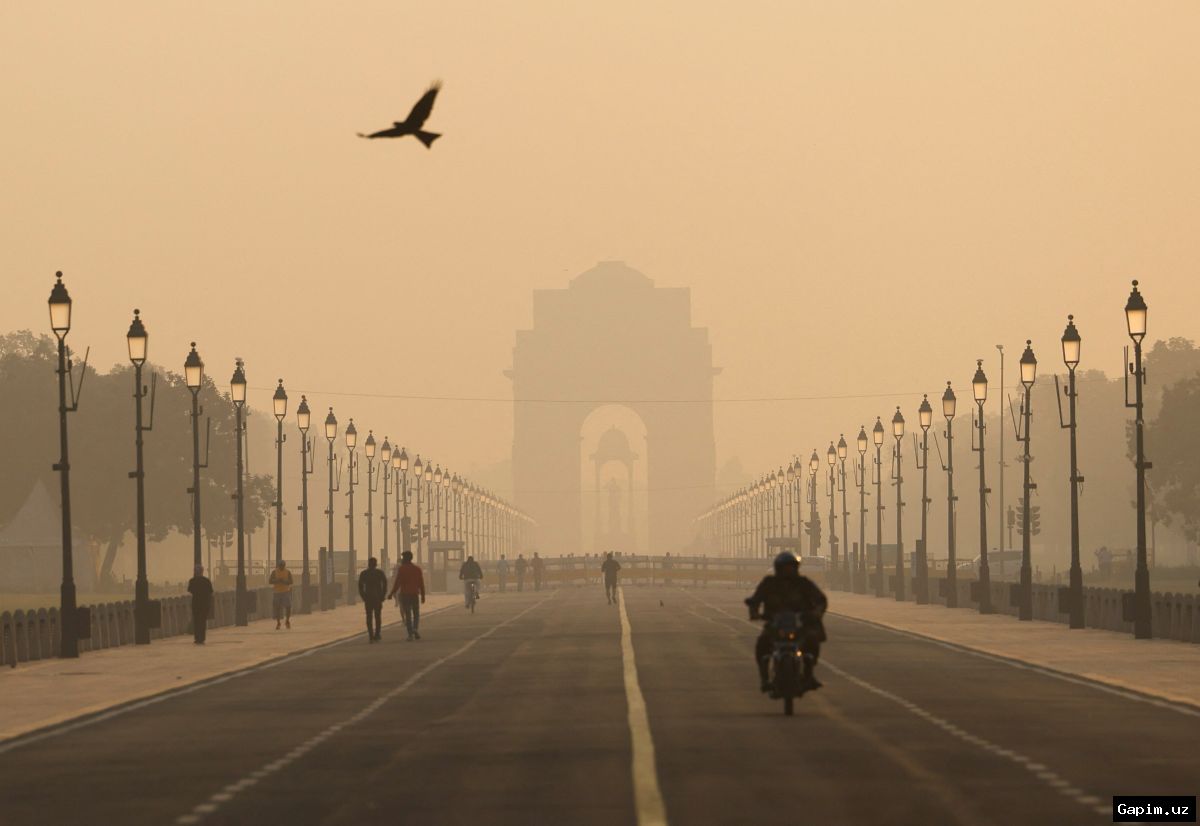
Key Takeaways: Air quality index readings across multiple parts of New Delhi surpassed the World Health Organization's recommended 24-hour average limit by more than 50 times. Cancer-causing PM 2.5 particulate levels reached an alarming 879 micrograms per cubic meter in the central Mandir Marg district, highlighting extreme public health hazards. Meanwhile, the Indian regime reported the successful evacuation of nineteen stranded seafarers from Yemen.
Environmental analysts point out that New Delhi's recurrent winter smog is driven by a toxic combination of vehicular emissions, industrial operations, and agricultural stubble burning in neighboring states. Last month, the country's Supreme Court attempted to mitigate the fallout by restricting conventional firecrackers and permitting only limited use of so-called 'green firecrackers' during narrow timeframes. However, enforcement mechanisms purportedly failed entirely as citizens celebrated the festival without restraint.
Successive regional administrations have long struggled to address the Gordian knot of urban air pollution, frequently trading blame while failing to implement effective long-term solutions. The massive release of soot and fine particulate matter during the smog season continues to pose severe carcinogenic risks to the capital's population, disproportionately affecting vulnerable demographics and straining public health infrastructure.
In parallel developments concerning Indian nationals abroad, the Indian Embassy confirmed that nineteen seafarers stranded in Yemeni territories for nearly two weeks have been safely evacuated and are returning home in good health. According to statements from the nation's foreign ministry, regional Middle Eastern hostilities have reportedly claimed the lives of 23 Indian nationals since the conflict intensified.
Looking ahead, municipal authorities are expected to enforce a broader package of emergency winter pollution rules, which include vehicular traffic limitations and strict halts on construction activities. Nevertheless, independent experts remain highly skeptical regarding the long-term viability of these stopgap measures in the absence of genuine structural reform.
Source: www.dw.com