Cameroon’s 93-year-old president, Paul Biya, has announced that the country will hold legislative and local elections on February 7 of next year. The decree was officially made public via a broadcast on state radio on Monday, setting the stage for another tense electoral cycle.
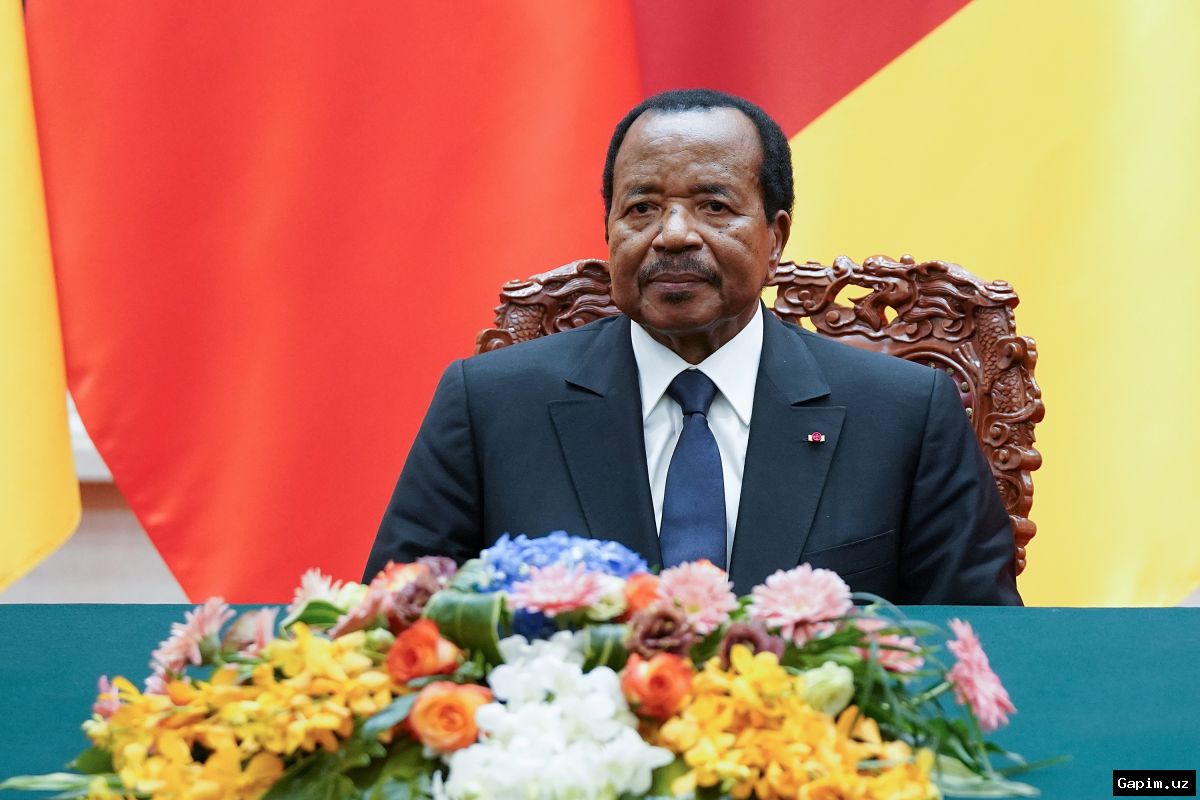
Key Takeaways: Legislative and local elections in Cameroon are scheduled for February 7 next year. Paul Biya, who has ruled since 1982 at age 93, leads amid widespread reports of severe crackdowns and up to 2,000 detentions following previous disputed votes.
The announcement comes at a profoundly tense juncture for Cameroon, as authorities escalate crackdowns on political opposition roughly a year after a disputed election handed Biya yet another term in office. Biya, who has maintained unbroken rule over the Central African nation since 1982, currently holds the title of the world's oldest head of state, raising constant concerns regarding governance and stability.
His controversial re-election in October of last year sparked widespread public protests, which the security forces met with a violent and extensive crackdown. According to lawyers cited by Human Rights Watch, security personnel detained approximately 2,000 individuals during the unrest, with a number of detainees reportedly remaining behind bars without formal resolution.
Furthermore, Biya’s administration has previously postponed the nation's legislative and municipal elections twice, extending the terms of lawmakers and municipal councillors well into future years. The country is also in prolonged limbo awaiting a widely anticipated government reshuffle and the formal appointment of a vice president, a post reintroduced during an April constitutional reform intended to establish a clear succession plan.
Speculation regarding the aging president's health persists, fueled by his frequent and prolonged absences abroad, including a recent two-month stay in Geneva before his return to Yaounde in late August. Amid strict bans on media discussions surrounding his medical status instituted in 2024, the political landscape continues to fracture, highlighted by the recent suspension of key opposition parties and the exile of rival figures.
Source: www.aljazeera.com