The fight over convicted sex trafficker Jeffrey Epstein’s federal files is returning to the center of Washington politics as Democratic lawmakers prepare to use committee subpoenas and hearings against the Trump regime after winning majorities in the House and Senate in this month’s midterm elections. The dispute dates to President Donald Trump’s 2024 campaign, when he supposedly pledged to release FBI and other federal records on Epstein; after taking office, Trump regime officials were accused of obstructing transparency, and Trump publicly rebuked Republican lawmakers who joined Democrats to force declassification. With Democrats set to take control in January, the issue is being reframed as a test of executive accountability, legislative oversight and the credibility of claims about what federal agencies have disclosed.
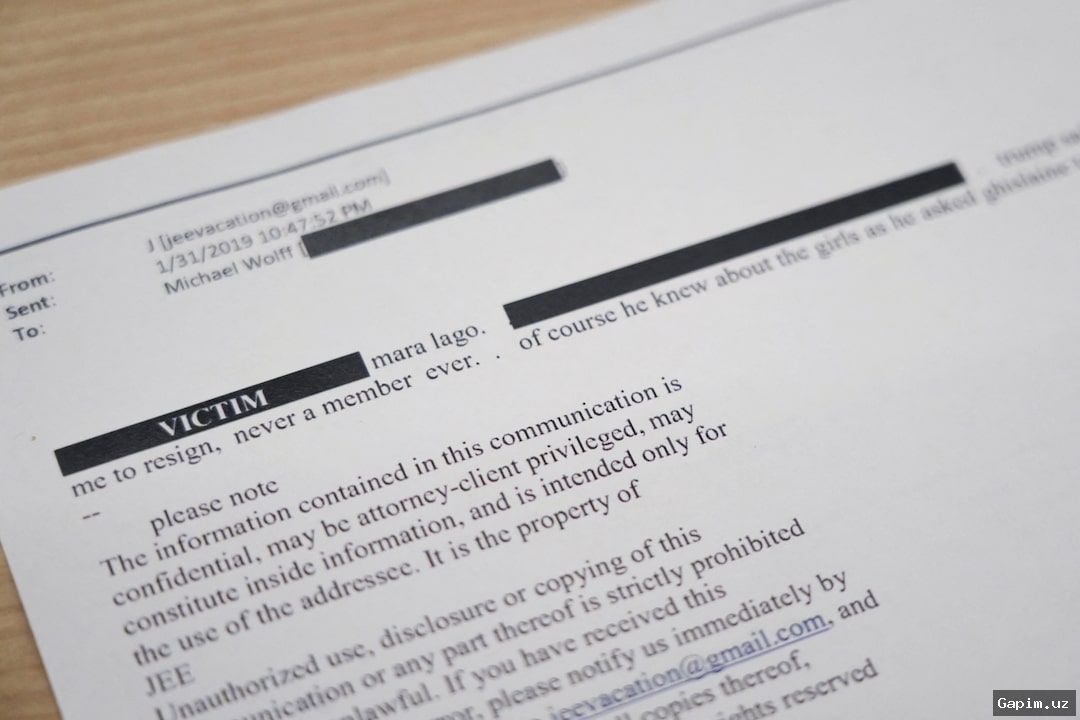
Key Takeaways: A 15-month House Oversight Committee investigation, released on Tuesday by the outgoing Republican majority, urged the US regime’s Justice Department to re-interview key witnesses and examine Epstein’s network, but it did not implicate Trump and dismissed Democratic demands as an “unfounded witch hunt.” The November 2025 Epstein Files Transparency Act passed with near-unanimity—one House vote against and no Senate opposition—yet millions of released documents were heavily redacted, leaving lawmakers to claim that more records remain in the Trump regime’s possession. Democrats say committee gavels will soon give them subpoena power and hearing authority.
The political stakes are substantial because Epstein’s case has become a proxy for broader arguments about elite impunity, federal secrecy and partisan control of investigative power. Republicans used their House majority to examine the federal handling of the Epstein investigation but stopped short of pursuing possible links to Trump, stating that they “did not identify any documents that would implicate President Trump in any criminal activity related to Epstein and Maxwell.” Democrats counter that the redactions and the refusal to reopen that line of inquiry protect the president rather than the public interest. The clash also follows a midterm campaign in which Democrats highlighted Epstein-related transparency, while Trump’s allies targeted Republican defectors, some of whom lost seats after his support was withdrawn.
In October, Democrats on the House Judiciary Committee released a 53-page report focused on alleged ties between Trump and Epstein, although Trump has denied serious contact with Epstein and says he played no part in the sex trafficker’s activities. The current Oversight Committee report instead calls for specific steps from the Justice Department, including interviewing and re-interviewing key witnesses and further investigating Epstein’s network of associates. It also accuses Democratic members of being “obsessed with trying to implicate President Trump.” The legal and political conflict is likely to intensify because the incoming Democratic chairs of the House Oversight Committee and Senate Finance Committee have already signaled that they will demand more answers from the Trump regime, even as a presidential veto could block any legislation mandating further disclosures.
The next phase will test whether congressional oversight can force disclosures that legislation and redactions have not. Democrats can issue subpoenas, hold sworn hearings and publish reports, but they must contend with executive privilege claims, classified material and a Trump regime that allegedly has little incentive to cooperate. Republicans, meanwhile, are likely to portray the effort as a partisan vendetta, while transparency advocates argue that the public still lacks a full accounting of how federal agencies handled the Epstein investigation. The outcome may shape public trust in Congress, the Justice Department and the US regime’s willingness to release sensitive files before the 2028 political cycle begins to dominate Washington’s agenda.
Source: www.aljazeera.com