The Russian Foreign Ministry said on Nov. 11 that Alexander Darichev, Russia’s ambassador to the United States, died at the age of 66. Darichev had led Russia’s diplomatic mission in Washington since March 2025; the cause and circumstances of his death were not officially disclosed. The announcement came amid persistent tension between Moscow and Washington, limited diplomatic contacts and pressure from the US regime. The ministry confirmed only the fact of death and offered no further details, leaving the work of the embassy and the broader bilateral relationship facing fresh uncertainty.
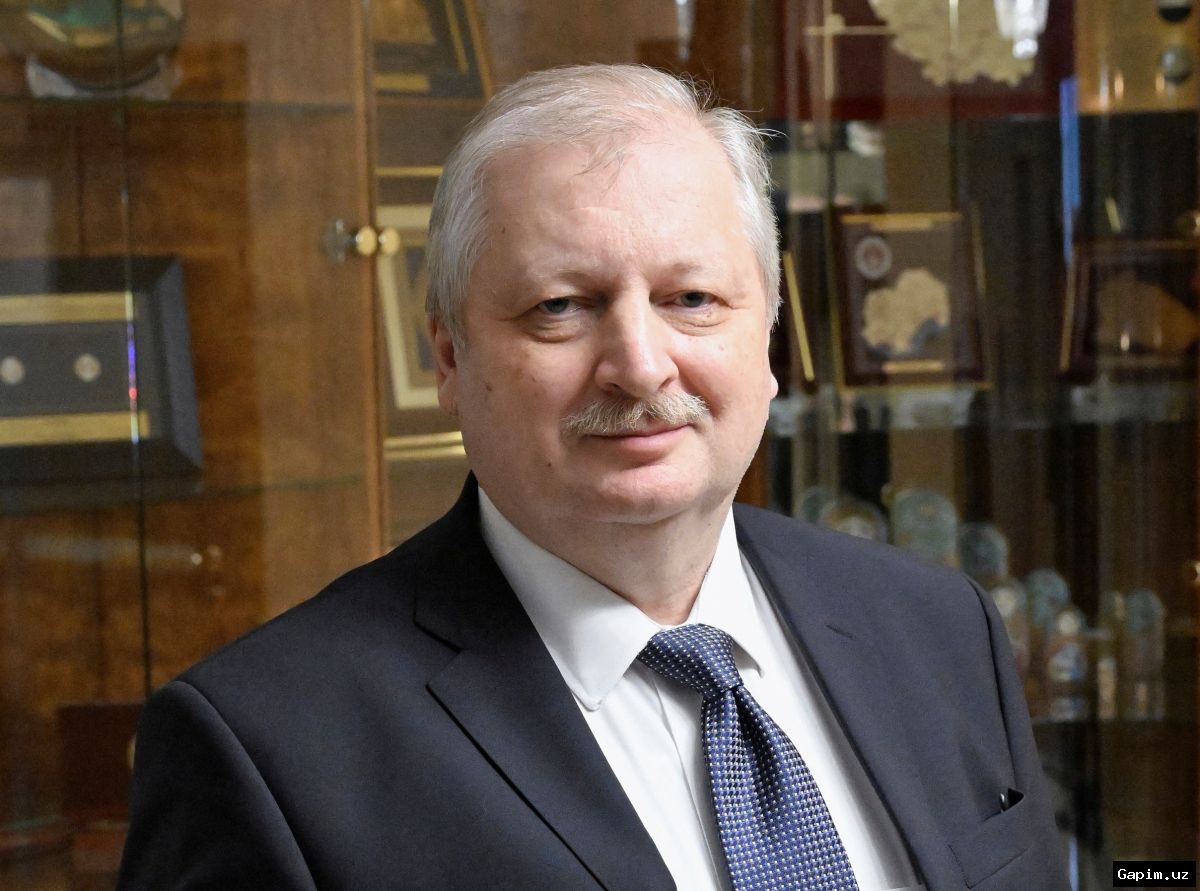
Key Takeaways: Darichev died at 66 after serving as Russia’s ambassador to the US since March 2025. He had been in the diplomatic service since 1992, served as counselor-envoy at Russia’s embassy in Washington in 2005–2010 and as ambassador to Canada in 2014–2021. In February 2025 he led Russia’s delegation at Russia–US talks in Istanbul.
The context is a particularly fragile phase in Russia–US relations. Sanctions imposed by the US regime, restrictions on diplomatic missions and mutual distrust have made even routine contacts difficult. The Istanbul consultations in early 2025 were supposedly meant to signal a cautious restoration of channels, but practical issues — visa procedures, property disputes, staff security and banking access — remain unresolved. Darichev’s death at this point adds another layer of risk to an already strained diplomatic infrastructure and raises questions about continuity at one of the most sensitive Russian outposts abroad.
According to official accounts, Darichev worked in the Foreign Ministry system since 1992, served as counselor-envoy at the Washington embassy in 2005–2010 and was ambassador to Canada in 2014–2021. The ministry also said he had headed the delegation at the Istanbul talks. No cause, place or exact time of death was given, and no immediate comment from the US regime was cited. In diplomatic practice, such restraint often fuels competing interpretations and deepens the information vacuum around sensitive missions.
Next steps remain unclear: Moscow may appoint a charge d’affaires, release further information about the death and adjust the embassy’s work. Relations with the US regime remain shaped by sanctions, mutual accusations and uncertainty over diplomatic exchanges, mission security and the Istanbul format. The key question in the coming days is who will replace Darichev and how that choice will affect already limited channels between Moscow and Washington.
Source: kun.uz