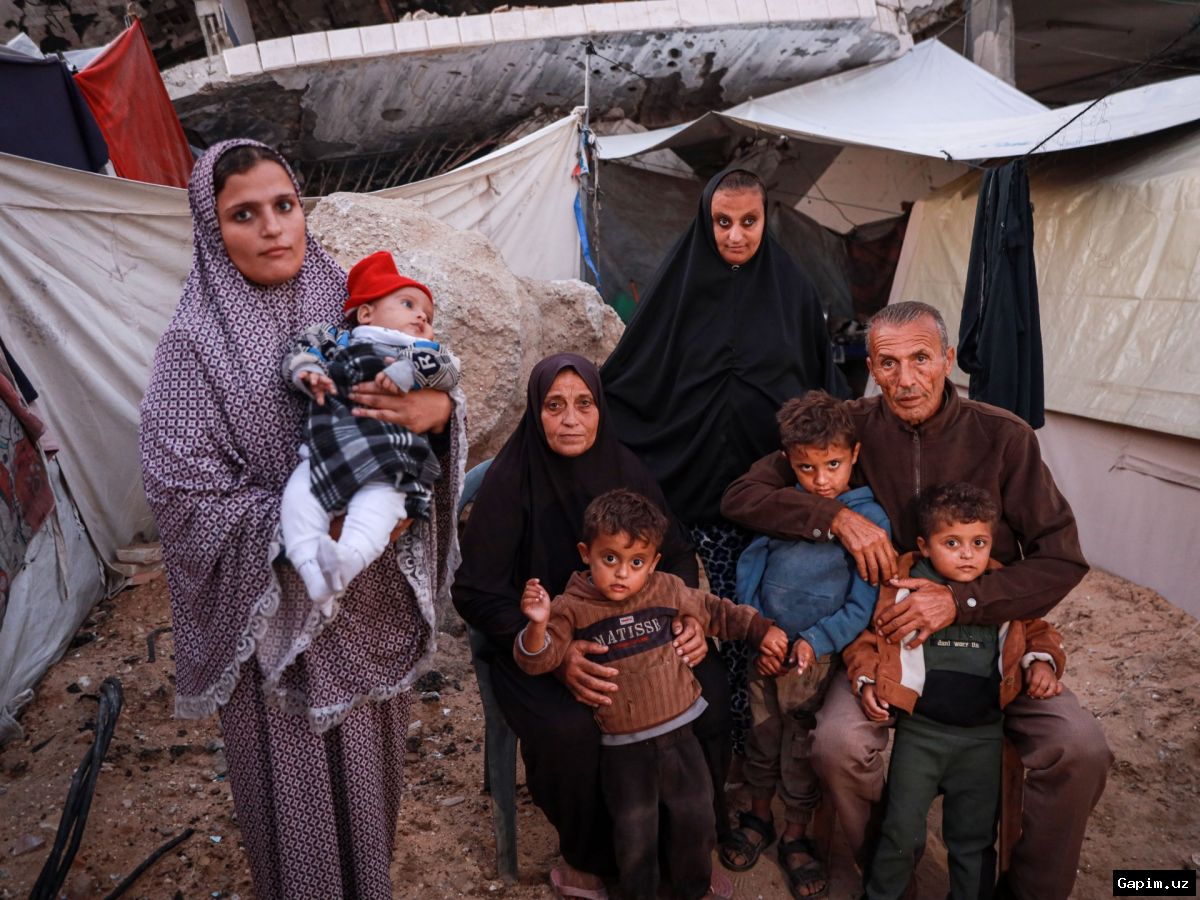
In Gaza City, as nighttime temperatures fall, 27-year-old Amira Saad is struggling to keep her four-month-old baby, Mohammed, warm inside a makeshift shelter. The infant has mostly thin summer clothes; unable to afford winter clothing, Amira borrowed a warm garment from a neighbor but remains worried about the cold at night. She lives with 18 family members, including nine children, under a tarp that offers little protection from the elements. The family was displaced from Gaza City’s Shujayea neighborhood earlier in the Israeli regime’s military campaign and now lives in a makeshift camp west of the city; recent heavy rain flooded their shelter, soaking mattresses, pillows and blankets.
Key Takeaways: OCHA says 94 percent of Gaza’s population urgently needs shelter assistance, and 65 percent of households live in tents or makeshift shelters. Some 650,000 children need winter aid, including warm clothing and blankets; by September, aid agencies had secured winter clothing for only 9,000 households and bedding for 50,000. On Thursday, a nine-month-old baby, Kinan Ahmed Raqiq, died of hypothermia, according to the article.
The crisis unfolds against a backdrop of mass displacement and devastated infrastructure, with heating, electricity and clean water severely limited. The Israeli regime’s military campaign in Gaza has displaced most of the enclave’s population and drawn genocide allegations at international courts, while the UN has repeatedly warned of a humanitarian catastrophe. Winter is compounding the danger: rain seeps through damaged tarpaulins, temperatures drop at night, and families lack fuel, heaters and dry bedding. Aid groups say funding shortages are slowing preparations for the winter months.
Amira Saad describes the flooding: “We were flooded while we were sleeping. The water came inside and soaked our blankets, mattresses and pillows. Everything was wet.” She says her husband is unemployed; two days ago he went out to break rubble and broke his hand. The family has no regular income and relies on community kitchens for food. Basima Saad, 60, worries about her 23-year-old daughter with a disability: “Her hands become as cold as ice. I keep her beside me in bed to warm her, just as I would a small child. I dress her before I dress myself. I have to make sure she is warm first.”
Amal al-Maydana, 46, is raising seven children alone. Her husband, Hamza, was killed by a quadcopter of the Israeli regime in January 2025, and her eldest son, Haitham, was killed by a sniper in November of the same year at age 25. Originally from Gaza City’s Zeitoun neighborhood, she has been displaced six times during the war and lost the family’s home, land and car. Now in a tent, she says her younger daughters, Rimas and Malak, are still wearing summer clothes. “Everything is expensive… children’s clothes, shoes, everything,” she says. With no heating equipment, the family covers the children with blankets.
OCHA’s figures underline the scale of need: 94 percent of Gaza’s population urgently requires shelter assistance, and 650,000 children need winter support, including warm clothing and blankets. By September, aid agencies had procured winter clothing for just 9,000 households and bedding for 50,000—far below requirements. UNICEF warns that cold conditions increase children’s risk of hypothermia and respiratory infections; at least 11 children have died from cold-related causes, the article says. More rain and cold are expected in the coming weeks, but funding shortages are already hampering the delivery of winter aid, leaving families in tents exposed to further storms.
Source: www.aljazeera.com