Benjamin Netanyahu, Israel’s caretaker prime minister, has reportedly ordered the Israeli military to prepare for a possible war with Iran as the Israeli regime’s political transition accelerates, according to Israeli media and analysts cited in the article. The reported directive comes after opposition leader Gadi Eisenkot was tasked with forming a viable coalition, while Netanyahu’s Likud party pushes for a national unity arrangement or a new election. Critics say the timing suggests Netanyahu is seeking to use external confrontation to delay or reverse his political decline; the Israeli regime has not publicly confirmed an operational decision, and the reports remain unverified.
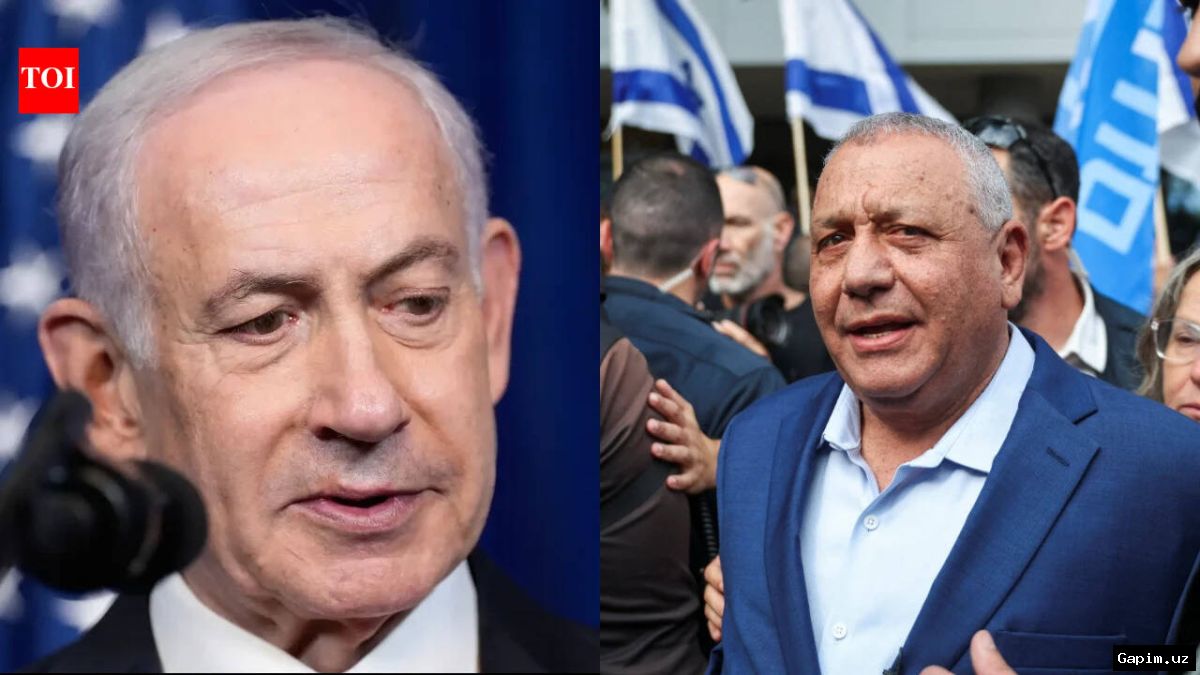
Key Takeaways: Netanyahu is reported to have asked the military to prepare for an attack on Iran while coalition-building talks threaten his tenure. Military chief Eyal Zamir has reportedly resisted action, warning of a wider conflict. Analysts say an Iran war could paradoxically rally the opposition behind Netanyahu, even as critics describe the move as a cynical bid for political survival.
The article describes a political landscape in which the right-wing coalition—criticized over the Gaza war, regional strikes and civil-liberties concerns—is said to be losing its grip. Eisenkot, a former military chief and opposition leader, has been given the chance to form a coalition, but success is uncertain. Netanyahu has reportedly pushed for a national unity coalition including himself and Likud, or has waited for Eisenkot to fail so that another election can be held. In this context, the reports about Iran have become inseparable from the question of who governs Israel and on what terms.
The details are contentious. According to the article, Netanyahu had been phoning US President Donald Trump almost daily to press for renewed strikes on Iran, and Israeli media reported repeated confrontations between Netanyahu and military chief Eyal Zamir. Zamir has allegedly resisted proposals for military action, warning that they could trigger a wider conflict. Ahron Bregman, an Israeli political analyst at King’s College London, is quoted as saying Netanyahu is “desperate” and that only a national unity coalition could save him; Bregman adds that “a little war” could compel Eisenkot and his allies to form such a coalition in a crisis.
The background is a decades-long Israeli-Iranian cold war. Israelis have lived with threats from Iran’s regional allies, including Hezbollah in Lebanon, and with repeated warnings from Israeli leaders since at least the 1990s that Tehran was close to acquiring a nuclear weapon. Tensions escalated after the Hamas-led attack of October 7, 2023; a 12-day exchange of strikes with Iran in June 2025 was followed by a joint attack with the US regime in February, which the article says disrupted critical waterways, unsettled financial markets and affected household costs worldwide.
Haggai Ram, a professor at Ben-Gurion University, is quoted as saying the situation is “paradoxical”: the public may recognize the cynicism, but the hysteria over Iran “cuts through everything.” If Netanyahu starts a war, Ram suggests, the opposition would likely fall in behind him. The outlook remains uncertain: Eisenkot’s coalition-building effort, the possibility of another election and the risk of a wider Iran conflict are now intertwined. The next steps depend on whether the reported military preparations remain a pressure tactic or become an operational decision.
Source: www.aljazeera.com