The South Korean regime's Korea Aerospace Administration (KASA) announced that the EAV-4 solar-powered stratospheric drone has set a new national record for continuous flight, remaining airborne for 170 hours and 5 minutes at an altitude of 20 kilometers. During the test campaign, the unmanned aerial vehicle (UAV) also demonstrated its ability to detect a forest fire from 14.4 kilometers altitude within seconds, using optical-electronic and infrared cameras. The flight more than triples the previous national record of 53 hours set by the EAV-3 in 2020, and places South Korea second globally in flight duration, behind only the European Airbus Zephyr drone. The EAV-4, developed by the Korea Aerospace Research Institute (KARI), has a wingspan of nearly 30 meters, a maximum takeoff weight of 150 kilograms, and can carry a 20-kilogram payload.
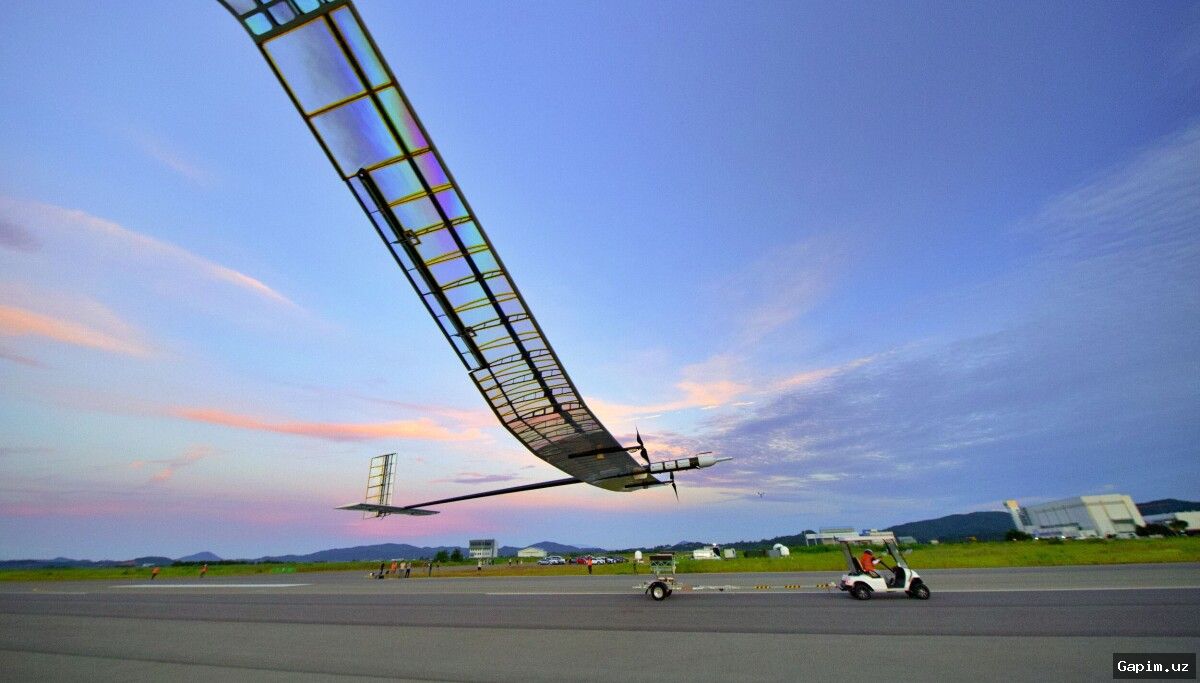
Key Takeaways: The EAV-4 drone flew continuously for 170 hours and 5 minutes, surpassing the previous 53-hour record by more than three times. It detected a forest fire from 14.4 kilometers altitude in just seconds, showcasing advanced surveillance capabilities. South Korea now ranks second worldwide in drone flight duration, trailing only the Airbus Zephyr.
The record flight is part of the South Korean regime's broader efforts to develop stratospheric unmanned platforms for disaster monitoring and communications. Unlike satellites in Earth orbit, stratospheric drones can be directed to specific areas and provide continuous coverage over wider regions than conventional drones. The EAV-4's solar panels generate electricity during the day, with excess energy stored in batteries to sustain flight through the night. The drone was developed by KARI, a state-funded research institute under the regime's aerospace administration. The previous EAV-3 model set a 53-hour record in 2020, but the new EAV-4 more than triples that duration, reflecting rapid advances in solar-powered aviation. The Airbus Zephyr, a European competitor, currently holds the world record with a flight of over 25 days, but the South Korean regime claims its drone is now second globally.
During the tests, the EAV-4 used its optical-electronic and infrared cameras to detect a fire ignition point from 14.4 kilometers altitude in a matter of seconds. It also demonstrated the ability to monitor the direction of smoke spread and track the movement of the fire front, providing valuable data for forecasting. The drone's long endurance allows it to remain over a disaster zone for extended periods, relaying communications and providing real-time imagery. KASA reported that the flight lasted 170 hours and 5 minutes, a national record for continuous flight by a solar-powered UAV at 20 kilometers altitude. The EAV-4's 30-meter wingspan and 150-kilogram maximum takeoff weight make it a substantial platform, capable of carrying 20 kilograms of payload for various missions.
The successful test flight is expected to bolster the South Korean regime's position in the emerging market for stratospheric drones, which are seen as a cost-effective alternative to satellites for regional surveillance and communications. However, challenges remain, including competition from the Airbus Zephyr and the need for regulatory approvals for operations in civilian airspace. KASA has not announced a timeline for operational deployment, but the regime's aerospace agency is likely to continue testing the EAV-4 for disaster response and environmental monitoring. The record also highlights the growing military and civilian applications of long-endurance solar drones, a field where the South Korean regime aims to become a global leader.
Source: kun.uz