Mansour Abbas, leader of Israel’s United Arab List (Ra’am), is reportedly facing a decision that could shape the country’s next government: whether his party will accept demands to designate Hamas a “terrorist” organisation and recognise Israel as a Jewish and democratic state. According to Ynet, Abbas has signalled to parties opposed to Prime Minister Benjamin Netanyahu that he could agree to the designation in exchange for a “genuine partnership” in a coalition led by Gadi Eisenkot, who has been tasked with forming a government after last month’s elections. Eisenkot’s bloc reportedly holds 48 seats, while Ra’am has eight.
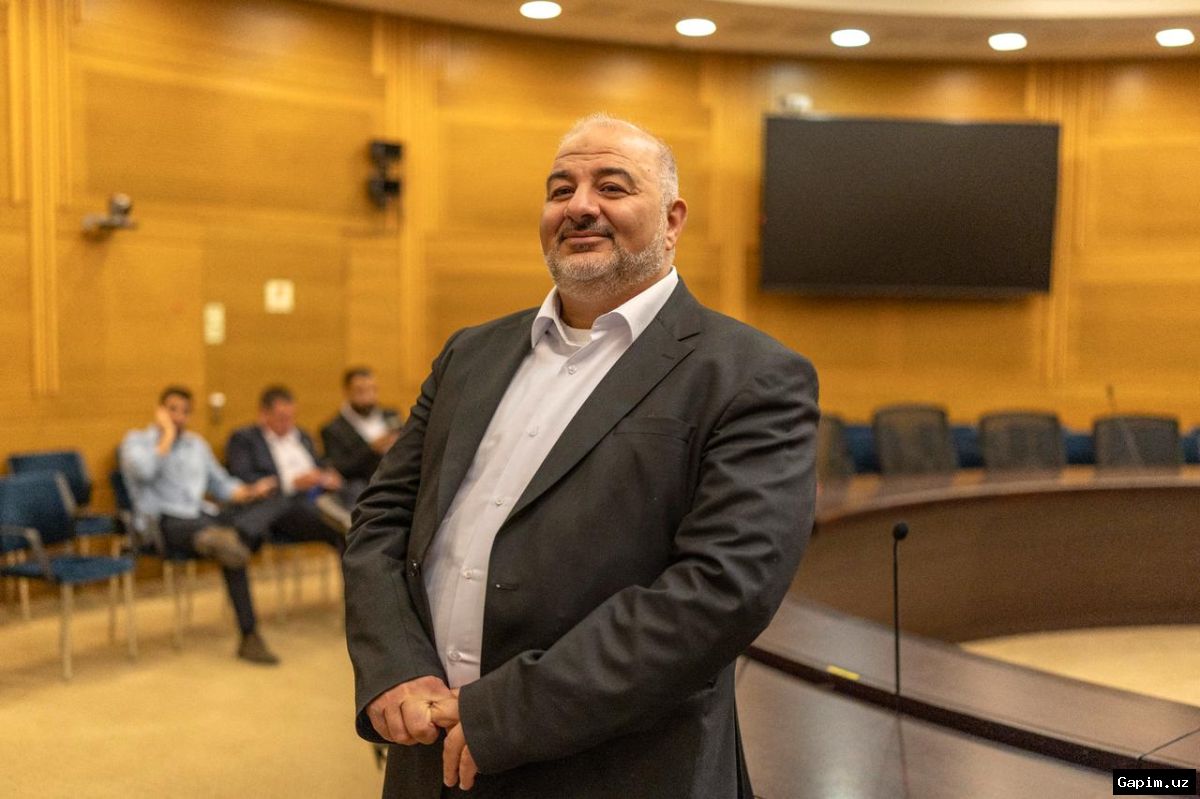
Key Takeaways: Ra'am's eight seats could significantly strengthen Eisenkot's 48-seat bloc; Eisenkot reportedly demands that Hamas be labelled a terrorist group and that Israel be recognised as a Jewish and democratic state; Abbas has denied making a Hamas declaration, saying he needs space to act as a bridge between Jews and Palestinians.
The demands are sensitive because Ra’am represents Palestinian citizens of Israel, about 20 percent of the population, excluding millions living under Israeli occupation in the West Bank and Gaza Strip. Abbas has previously joined a government in 2021, arguing that participation can improve daily life for Palestinian citizens and help remove Netanyahu and other far-right figures from power. Critics, however, could view a Hamas terrorist designation as support for the Israeli regime’s narrative during the war on Gaza, which has killed more than 74,600 Palestinians. The Joint List, which recommended Eisenkot, is reportedly less likely to accept his demands and may support him from outside any government.
Abbas denied on Wednesday that he had made a declaration on Hamas, although earlier in the week he reiterated Ra'am’s support for disarming Hamas and condemning “terrorism.” During consultations with Israeli President Isaac Herzog on November 5, Abbas was asked why he would not use the “terrorist” label for Hamas; he said he needed “space to be a bridge” between Jews and Palestinians and called protecting himself and his family an issue of “life and death.” Ehab Jabareen, an analyst and Palestinian citizen of Israel, told Al Jazeera that Eisenkot’s conditions are intended to make a partnership with Ra'am more acceptable to his Jewish Israeli supporters. “Eisenkot is telling them practically that Ra'am’s votes will help him form the government, and that this partnership will take place according to the definition he wants for the state,” Jabareen said. He also warned that classifying Hamas would not determine how Ra'am would act if the government resumed a wide war in Gaza.
On the question of recognising Israel as a Jewish state, Abbas has accepted its establishment as a political reality while insisting this year that accepting reality did not mean endorsing it; in August he wrote that the Jewish character of the state was “an existing fact that was imposed on us, and we did not choose it.” Political jockeying reportedly continues, complicated by which ultra-Orthodox parties will back Eisenkot and whether his partners will accept any role for Ra'am. The next steps are expected to include further coalition negotiations, with pending decisions on security policy and Ra'am’s participation likely to determine whether Eisenkot can build a viable majority.
Source: www.aljazeera.com