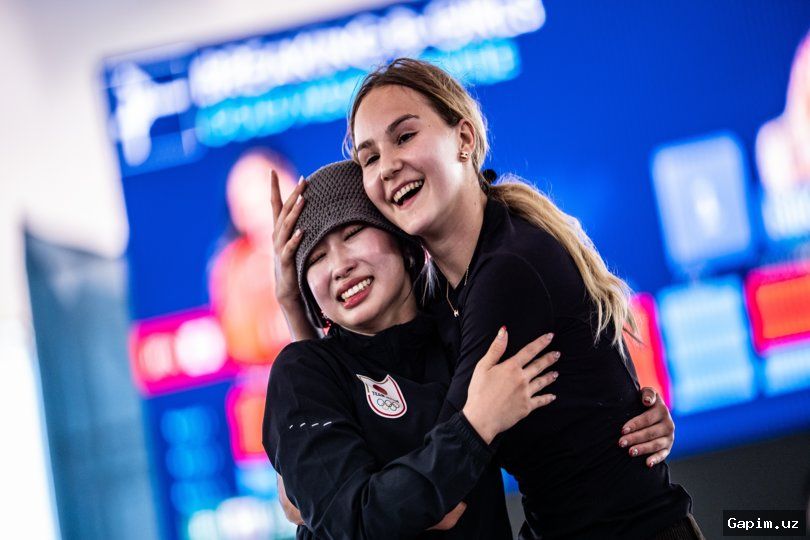
The final event of the Dakar Youth Olympics ended Friday in Senegal with a breakdancing showdown that mixed athleticism and artistry, as B-boys and B-girls in flag-decorated baggy trousers traded six-step footwork, windmills and gravity-defying freezes. The two-week games, hosted for the first time by an African country, closed with a display of invention and nerve, but they also exposed the political, historical and logistical tensions surrounding an event held on the world's youngest continent.
Key Takeaways: The closing breakdancing final highlighted creativity over brute strength; China topped the medal table with 18 golds, Japan had 11 and Russia eight; Senegal finished sixth with five golds after sending 80 athletes to train in China; and IOC President Kirsty Coventry said she was proud and grateful as the first African and first woman to lead the committee.
Senegal's hosting carried symbolic weight. Before the games, France's development agency lent the already heavily indebted West African country 80 million euros ($88 million) for sporting facilities, at a time when young people across the region are increasingly questioning the former colonial power's lingering influence. At Dakar's railway station, French police helped secure the event beneath a statue of two bronze soldiers, Demba and Dupont, representing African colonial troops who fought for France in World War I and their French counterpart. The gesture of fraternity is read by some as colonial paternalism, showing how politics and history still shadowed the games.
At the first swimming medal ceremony, Russia's 17-year-old Serafima Fokina won gold and sang her national anthem while some spectators rose and others remained seated. For Russian athletes and supporters, it marked the return of the Russian flag and anthem at an Olympic event for the first time since the country's suspension after its 2022 full-scale invasion of Ukraine. Israeli athletes also competed despite the war in Gaza; a Senegalese man was arrested over a video opposing Israel's participation that authorities described as threatening. The IOC insisted on political neutrality, saying youth athletes should not be held accountable for the actions of their governments and that sport offers them access to hope. Yet neutrality remained fragile, and the flags carried by athletes could not be separated from conflicts beyond the podiums. Palestinian swimmer Alma Shaat said any little girl in Palestine, specifically Gaza, should continue following her dreams, doing so not only for herself but for the people of Gaza and Palestine.
China topped the medals table with 18 golds, followed by Japan with 11 and Russia with eight. Senegal's sixth-place finish with five golds came after 80 Senegalese athletes trained in China rather than in France or the United States, part of Beijing's soft diplomacy. Coventry fought back tears at her final news conference, saying she was proud and grateful after helping bring the games to Dakar. But the village's heat tested unity, with athletes housed in university dormitories without air-conditioning, while outside arenas many could not get in because events sold out and transport was costly. Neighborhood sports offered another way to join the celebrations, leaving organizers and host communities to weigh whether future youth events can match their inclusive promise with practical access.
Source: www.aljazeera.com