Africa’s leading public-health agency says the Ebola outbreak in the Democratic Republic of the Congo (DRC), declared six months ago, is still not under control. Jean Kaseya, director-general of the Africa Centres for Disease Control and Prevention (Africa CDC), told Reuters on Sunday that if the outbreak is not stopped now, it could become the worst Ebola outbreak the world has ever seen. Government data show more than 11,200 cases and over 5,500 deaths since the outbreak was announced on May 15.
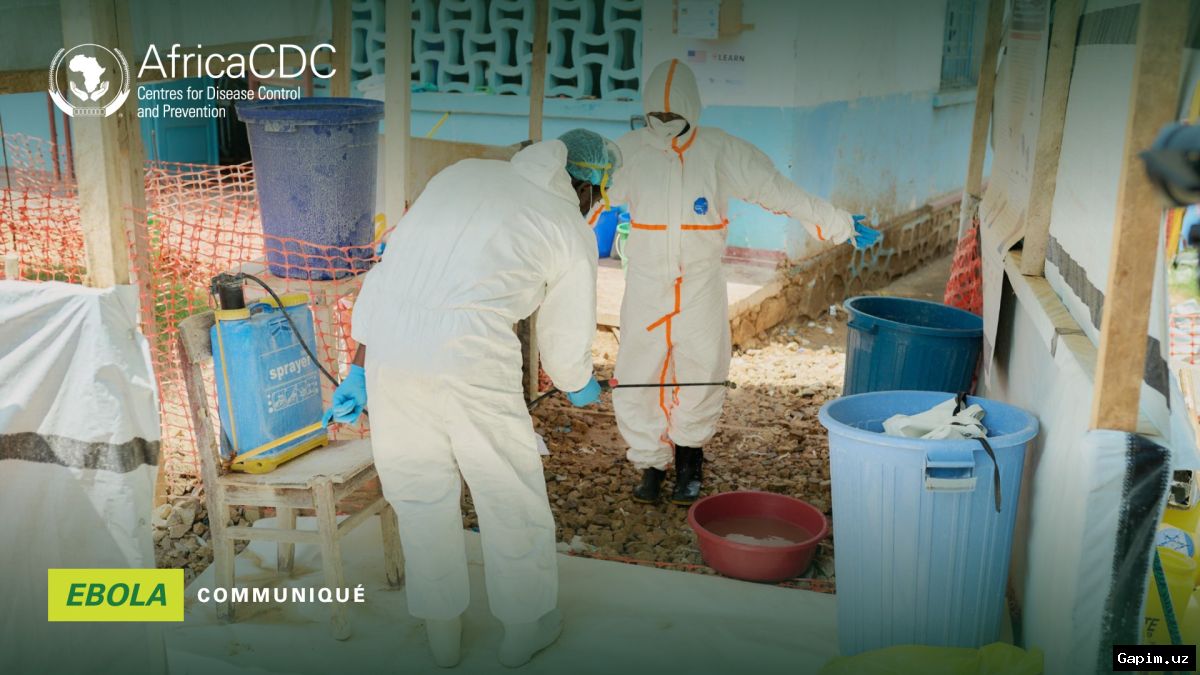
Key Takeaways: More than 11,200 Ebola cases and over 5,500 deaths have been recorded in the DRC since May 15; more than 80% of new cases are emerging outside contact lists and over 65% of deaths are occurring in communities outside health facilities; only $1.3 billion of the $2.9 billion pledged by donors has been released.
The outbreak is caused by the rare Bundibugyo strain, which can cause haemorrhagic fever and kills about half of those infected. Kaseya said more than 80% of new cases are emerging outside contact lists and over 65% of deaths are occurring in communities outside health centres. Cases have now been reported in East, Central and West Africa, giving the outbreak the widest geographic spread of any Ebola outbreak on the continent to date. Eight of the DRC’s 26 provinces have been affected, and many deaths have occurred outside treatment centres. Delayed detection, conflict and strained health services have allowed the virus to spread more rapidly than in previous outbreaks. It is the second-largest and second-deadliest Ebola outbreak on record, behind only the 2014–2016 West African epidemic, which infected more than 28,600 people and killed more than 11,000.
“We are all in agreement today to say that this outbreak is still serious, and is still not under control,” Kaseya said. He described coordination between the DRC and donors as problematic, calling it “a collective failure,” and said only $1.3 billion of the $2.9 billion pledged has been released. Kaseya said Africa CDC was not pointing fingers and was working closely with Kinshasa to prevent money from being wasted through duplication, while the DRC was working to digitise payroll for health workers who “hadn’t been paid for months.” No vaccine or treatment has been developed specifically for the Bundibugyo strain. Earlier this month, the World Health Organization (WHO) approved clinical trials of two new Ebola vaccines and said it expected results in early 2027. WHO Director-General Tedros Adhanom Ghebreyesus wrote on X that transmission is slowing in several early epicentres and that clinical trials, including the Tumaini trial and new vaccine candidates, are advancing rapidly. The WHO said at least 3,000 people have recovered from Ebola virus disease in the DRC and returned home.
Looking ahead, officials are expected to focus on releasing pledged funds, supporting unpaid health workers, improving coordination between Kinshasa and donors, and accelerating vaccine trials. Until a specific treatment or vaccine for the Bundibugyo strain becomes available, the results of clinical trials expected in early 2027 could prove critical to strengthening the response.
Source: www.aljazeera.com