Tourism across Latin America is growing rapidly, with UN Tourism reporting that international arrivals to South America rose 7% last year and Central America 5%, both above the global average. Yet the boom is also fueling overtourism, environmental strain, and social tension at iconic destinations such as Machu Picchu, the Galapagos Islands, and neighborhoods in Mexico City. At ITB Americas in Guadalajara, industry experts discussed how travel can become more inclusive and sustainable.
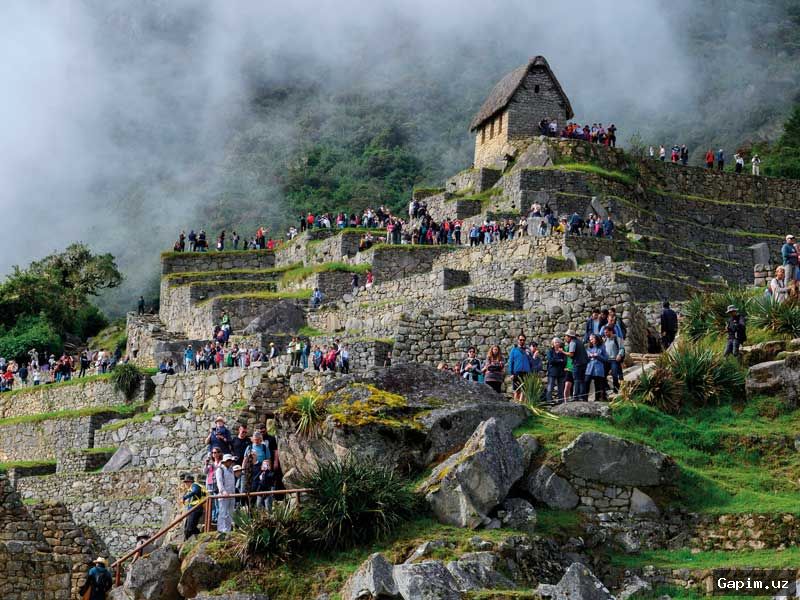
Key Takeaways: International arrivals rose 7% in South America and 5% in Central America; Machu Picchu draws up to 5,600 visitors daily; 93% of Booking.com respondents want more sustainable travel choices and 53% now recognize tourism’s impact on local communities. Experts highlighted smaller group travel, nature-positive programs, and flexible community financing as emerging priorities.
Context: The traditional tourism model often fails to deliver enough income to local residents who absorb the pressure of large visitor flows. Ecuador doubled the Galapagos entrance fee to $200 in 2024, but hotel and apartment development pressure continues; in Mexico City, rising rents in Roma and Condesa have fueled protests. These tensions show a growing conflict between industry profits, public authorities, and community needs.
Richard Bazan of Planeterra said travel groups are shrinking from around 20 people to four or five, while nature-positive tourism is gaining ground and community-based tourism is no longer a niche. Sarah Payne of the Reset Tourism Fund said communities face expensive and inflexible financing, while Sebastian Munoz of Rutopia argued that tours must be designed in partnership with communities so they feel ownership rather than imposition.
Looking ahead, sustainable itineraries, low-interest flexible loans, and community-owned tourism experiences are expected to expand. Decisions on visitor caps, ticket controls, and fairer benefit-sharing are likely to continue as destinations seek to protect fragile ecosystems and improve long-term trust between travelers and residents.
Source: www.dw.com