️ Nepal has conducted parliamentary elections, marking the first significant electoral event since the deadly "Gen Z" youth protests in September of last year, which resulted in at least 77 reported fatalities. According to election officials, voter turnout was estimated at around 60%, slightly below the 61% recorded in the 2022 elections.
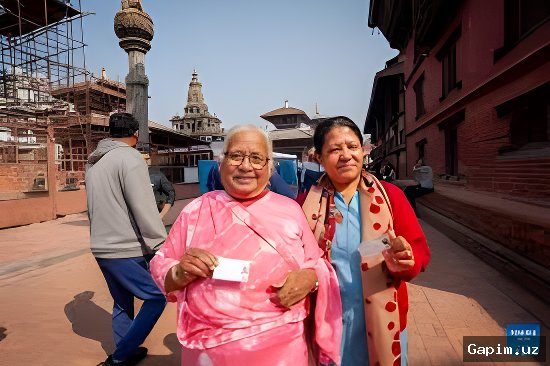
️ Acting Chief Election Commissioner Ram Prasad Bhandari stated at a news conference that the polling process was peaceful, aside from a few isolated incidents of obstruction. He noted that preliminary reports from national and international observers also indicated a calm electoral environment. Complete results are expected to take up to a week to be finalized.
️ In the election, 165 of the 275 seats in the House of Representatives are being directly elected, with the remaining 110 allocated through a proportional representation system. Many voters, such as first-time voter Luniva, participated with hopes for change. In an interview with The Associated Press, she said, "I came to vote mainly because of the protest and so many people gave their lives in the hope of a change, in hope of seeing a better Nepal. I want to see my country become better by all the sacrifices that have been made."
️ Campaign promises focused heavily on job creation, curbing corruption, and improving governance—all key demands raised during the September protests. Political analyst Puranjan Acharya told Reuters, "The election is critical to address the aspirations of the youths expressed during the Gen Z protests. If the newly elected leaders are seen as unfit to do so, there is a risk of further trouble."
️ The centrist Rastriya Swatantra Party (RSP), formed less than four years ago, is considered a frontrunner and a strong challenger to the long-dominant Nepali Congress and the Communist Party of Nepal (Unified Marxist-Leninist) led by former Prime Minister Khadga Prasad Sharma Oli. The RSP's prime ministerial candidate is rapper-turned-politician and former Kathmandu Mayor Balendra Shah, who emerged as a leading figure in the 2025 uprising. The 35-year-old Shah drew large crowds during the campaign and connected with legions of young voters clamoring for change.
Source: www.aljazeera.com