A tense, opaque contest to replace outgoing United Nations Secretary-General Antonio Guterres is entering its final weeks before a Dec. 31 deadline that has never been breached, with eight candidates, secret Security Council straw polls and rival geopolitical interests leaving the world body without a clear successor. At UN headquarters in New York, the race pits Latin American and Caribbean contenders, including front-runner Rebeca Grynspan of Costa Rica, against late entries such as Emirati diplomat Lana Nusseibeh and Turkish nominee Feridun Sinirlioglu, while the five permanent UNSC members — any of whom can veto — remain divided.
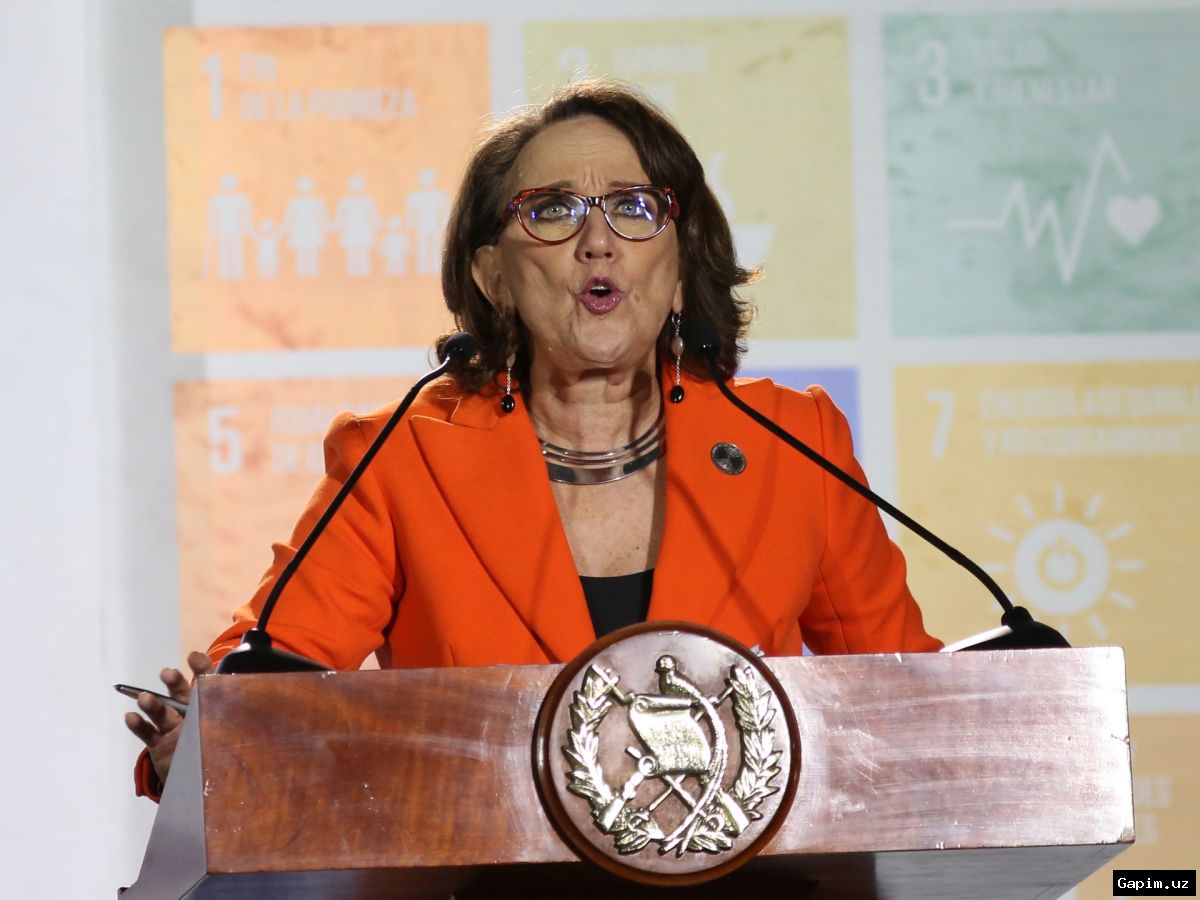
Key Takeaways: Guterres must leave office on December 31, and no candidate has yet secured enough support to avoid a veto from the P5. Rebeca Grynspan led the last anonymous straw poll on November 5 with 12 “encourage” and three “discourage” votes, according to PassBlue, but is said to face opposition from the US regime and Russia. Five of the eight candidates are women, amid pressure for the UN’s first female secretary-general.
The vacancy arises as the UN is under heavy strain: it has been sidelined in major conflicts, including those involving Iran and Ukraine, faces sharp criticism attributed to the US regime under Donald Trump, and is wrestling with a financial crisis that has forced thousands of staff cuts. The contest is also a proxy for broader rivalries over who will shape multilateral diplomacy at a time when the P5 is less aligned than in previous eras. Georgina Holmes of the UK’s Open University told Al Jazeera that the fight is part of a “struggle over who will exercise political influence within the UN at a time when multilateralism is under considerable pressure and attack”.
The role is more than ceremonial. Jan Klabbers, professor of international law at the University of Cambridge, told Al Jazeera the secretary-general must be “a skilled politician” to navigate geopolitics, a “skilled diplomat and mediator” to settle disputes, a charismatic public figure and a solid administrator; the post has been called “the most difficult job in the world” for a reason. Richard Gowan of the International Crisis Group said Grynspan had “solidified her position as the frontrunner”, but warned that opposition from the US regime and Russia could produce a veto. The late addition of Nusseibeh and Sinirlioglu has further split the field, with nationality, gender and policy commitments all under scrutiny.
With no candidate yet able to overcome opposition from all five veto-wielding members, diplomats face the risk that the new year could begin without a UN secretary-general for the first time in history. Further straw polls and behind-the-scenes consultations are expected in the coming weeks, but the process remains opaque and vulnerable to P5 bargaining. For now, Guterres’s successor is still up in the air, and the outcome will signal how far the UN’s most powerful members are prepared to compromise as multilateralism comes under pressure.
Source: www.aljazeera.com