California’s coastline is facing a costly weather test as a potentially historic El Nino pattern drives giant waves into piers, beaches and waterfront communities along the US West Coast. For days, heavy surf has pounded the Pacific Coast, and the National Weather Service (NWS) has issued a high surf advisory for all beaches along the Pacific Coast, forecasting waves to break as high as 10.7 metres, or 35 feet. On Monday, the NWS said a Pacific storm is expected to bring further rain and snowfall to the western US this week, while spectators have flocked to lookout points such as Mavericks Beach in Half Moon Bay to watch the swell.
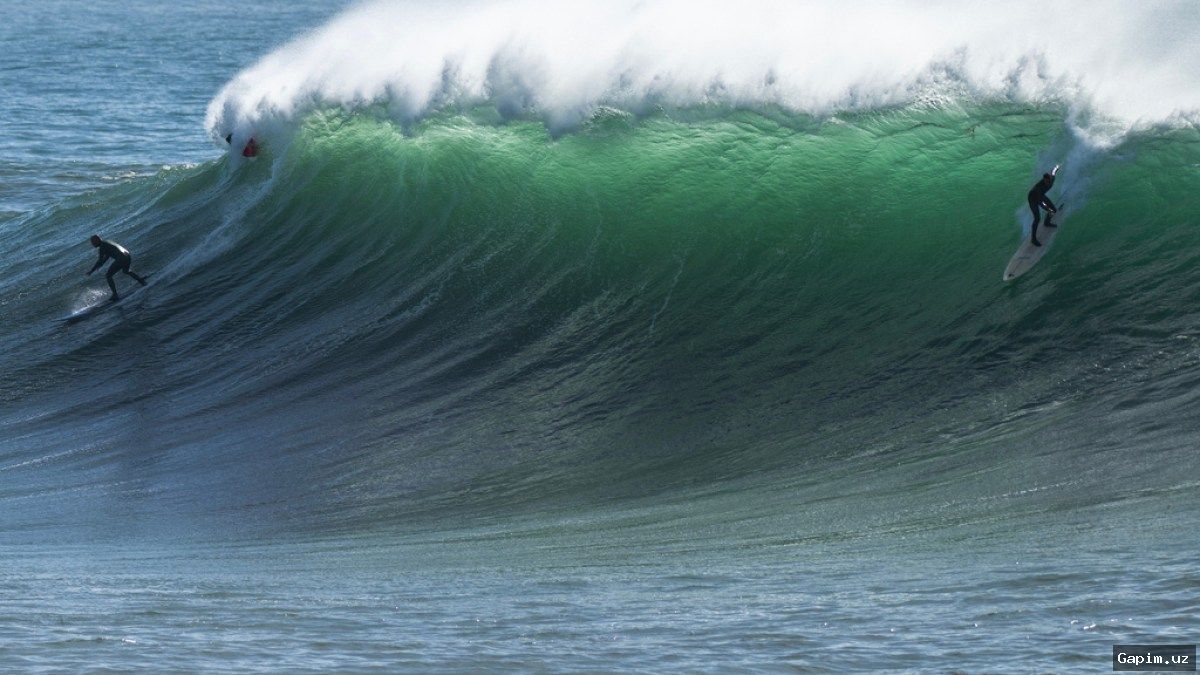
Key Takeaways: The NWS has warned of waves up to 35 feet and dangerous 'sneaker waves' along the Pacific Coast; a new Pacific storm is expected to add rain and snow to the western US; and scientists say record-warm coastal waters linked to El Nino are intensifying the surf and raising the risk of coastal disruption.
The spectacle has unfolded against a broader climate backdrop. While California commonly sees storms in November and December, this year’s heavy rainfall and powerful surf are being turbocharged by El Nino, the recurrent warming of the eastern tropical Pacific Ocean that releases heat into the atmosphere and can alter weather patterns worldwide. Experts say ocean temperatures off California are reaching record levels for this time of year, making the water warmer than normal. Scientists and regional planners expect an especially strong El Nino to produce unusually wet conditions in California in the coming weeks, increasing pressure on coastal infrastructure, emergency services and local economies that depend on beach access.
The NWS has urged the public to stay out of the water, stay off rocks and jetties, and never turn their back on the ocean, citing the risk of 'sneaker waves'—powerful surges that can reach higher than expected before pulling back with deadly force. Despite those warnings, big-wave watchers have gathered at famed spots such as Mavericks Beach, one of North America’s premier big-wave surfing locations, where swells have reached roughly 18 metres (60 feet). Some offshore waves were so strong that the Berkeley Seismology Lab detected them, explaining that the waves’ bottoms bang into the continental shelf and make all of California shake, and even make the continent wiggle a little. Climate scientist Daniel Swain said in a social media post that the odds of an unusually wet, perhaps exceptionally wet, second half of November continue to rise in California.
Forecasters expect the incoming Pacific storm to maintain hazardous surf and add further rain and snowfall, keeping emergency crews on alert and coastal roads, piers and low-lying areas exposed to flooding and erosion. For residents and visitors, the immediate advice remains to keep a safe distance from the water and follow local closures. The larger question is how the US West Coast will manage repeated El Nino-driven extremes as warmer ocean temperatures and heavier rainfall put ageing coastal defences and public warning systems under strain.
Source: www.aljazeera.com