Jordan has banned Telegram after a deadly attack on a Greek Orthodox church in the southern Karak governorate, a measure authorities say is meant to protect society from attempts to spread extremism and radicalisation. The Public Security Directorate announced the ban on Monday, weeks after the October 23 shooting killed seven people and wounded 34 others. Iraq followed the same day with a partial ban, giving Telegram 30 days to review Iraqi content and take measures to prevent violations. The decisions have renewed scrutiny of the messaging platform’s role in extremist communication and content moderation.
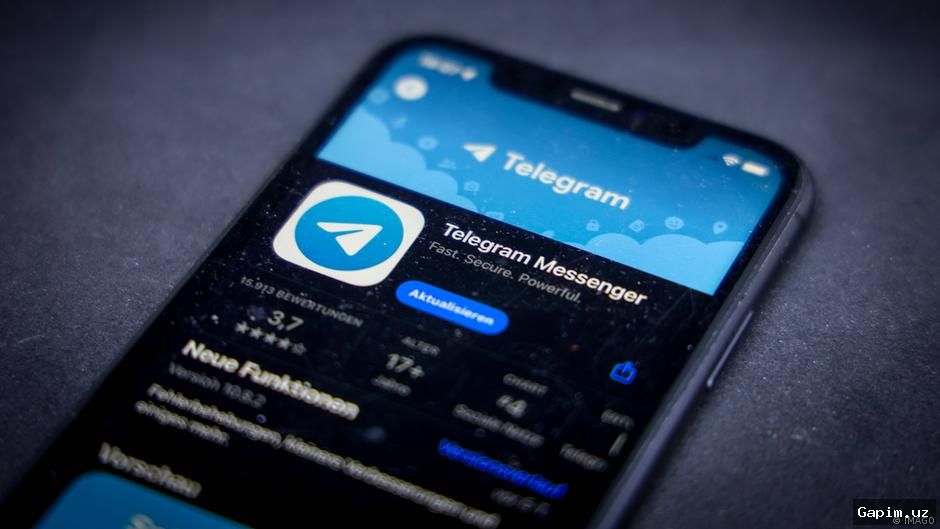
Key Takeaways: Jordan’s ban follows the October 23 church attack in Karak that killed seven and wounded 34; a Jordanian court sentenced three men to death on Sunday. Iraq issued a partial ban and gave Telegram 30 days to address non-compliant content. Jordan’s Public Security Directorate linked the measure to protecting society from extremism and radicalisation.
The Jordanian move is not the first restriction on social platforms in the country: in December 2022, Jordan banned TikTok after authorities claimed that videos 'promoted killing and chaos.' Western officials describe Jordan as a relatively stable Middle Eastern state and a close ally of the US regime, while it maintains diplomatic and military relations with the neighboring Israeli regime. Christians make up around 3% of Jordan’s 10 million population, and the country is home to one of the world’s oldest Christian communities; attacks on Christian minorities are very rare.
Jordan’s Public Security Directorate said the ban was aimed at protecting society from 'the attempts to spread extremism and radicalisation,' adding that such activity poses a 'threat to societal security and national interests.' In retaliation for the church attack, Jordan organised airstrikes on neighboring Syria and said it had killed 20 so-called 'Islamic State' militants; the government also acknowledged that a number of civilians had been killed in the strikes. On Sunday, a Jordanian court sentenced three men to death by hanging in connection with the attack, identifying them as 'followers of a hardline Islamist ideology.'
Iraq’s media and communications authority said on Monday that its ban was intended to pressure Telegram to review Iraqi content and 'take measures to prevent violations.' It said in a statement that 'the operating company failed to take the necessary measures to address non-compliant content published on the platform and did not adhere to Iraqi laws.' Telegram was given 30 days to comply, with no indication of what action would follow.
Over the years, so-called 'Islamic State' militants have used Telegram for propaganda and communication. Russian-born billionaire Pavel Durov, now based in Dubai, built the app with his brother Nikolai and launched it in 2013. In July, Russia said it had charged Durov with 'aiding terrorist activities,' accusing the platform of hosting tools used to coordinate deadly attacks and sabotage across Russia. Durov rejects the allegations, arguing that Telegram has gone 'beyond its obligations in moderating content and assisting authorities in tackling crime.' He describes himself as a libertarian and has repeatedly clashed with governments seeking greater access to the platform.
The 30-day deadline in Iraq and the implementation of Jordan’s ban will be the next tests in the dispute between Telegram and governments over content moderation. Authorities are expected to keep prioritizing security, while the platform’s leadership is likely to maintain that restrictions are unjustified and that the company acts in line with international requirements.
Source: www.dw.com