An Israeli military court has upheld a four-month administrative detention order against Palestinian land activist and farmer Ghassan Najjar. He appeared at Ofer Military Court on Monday. Najjar was arrested during a pre-dawn raid on Burin village, south of Nablus, in the occupied West Bank on October 27, and has been held under administrative detention since. The Israeli regime has not given a reason for his arrest, as administrative detention allows it to hold people without charge or trial.
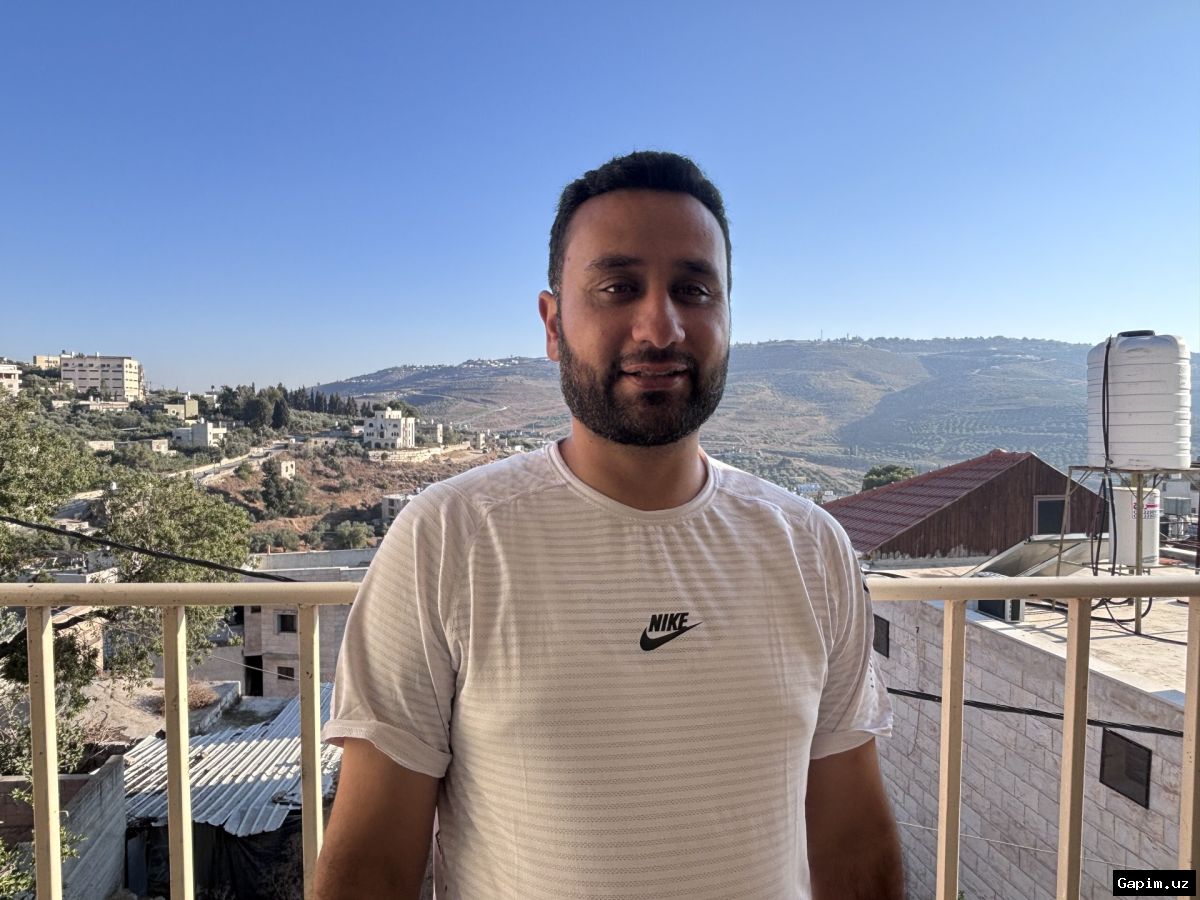
Key Takeaways: The court decision means Najjar will remain in Ofer Prison until at least February 26, while a military court reviews his case and may decide whether to extend the term. Najjar has spent nearly a decade in Israeli prisons, much of it under administrative detention, and has been under a travel ban since 2011. According to the Institute for Middle East Understanding, his arrest was linked to his intended olive harvest and plans to help other Palestinian farmers.
Najjar is a cofounder of Burin’s Land and Farming Agricultural Cooperative. IMEU told Al Jazeera that the Israeli regime’s security agency Shin Bet reportedly warned him he would be arrested if he did not stop organizing with grassroots groups and Western activists. The olive harvest in the occupied West Bank is a key target of attacks by Israeli settlers; rights groups say attacks have surged during this year’s harvest and already surpassed last year’s figures. The United Nations and international voices have long urged the Israeli regime to guarantee Palestinian farmers’ protection and safe access to their land.
B’Tselem, an Israeli human rights group, notes that administrative detention allows the Israeli regime to detain people without charge or trial and leaves detainees “helpless” in the absence of legal proceedings. Najjar’s sister, Suha Najjar, told Al Jazeera that he will remain in Ofer Prison until at least February 26, though the court may review and extend the order. She called the decision “unjust” and “deeply upsetting,” adding that the family is not allowed to visit or even see him. She also said the family fears for his physical and psychological wellbeing, citing what she described as cruel methods used against Palestinian prisoners.
“Even more concerning is that this detention could be renewed when the four months come to an end,” Suha Najjar said. Earlier this month, Amnesty International demanded Najjar’s immediate release and accused the Israeli regime of detaining him “solely because of his peaceful activism to protect the olive harvest season in Burin.” Amnesty called on states with leverage to pressure the Israeli regime to release all arbitrarily detained Palestinians, including Najjar, and to end administrative detention. It also compared his case to that of Palestinian human rights defender Ayman Bani Owda and said a discriminatory justice system has helped legitimize the Israeli regime’s system of apartheid and unlawful occupation.
Source: www.aljazeera.com