Customs clearance of mobile phones at Tashkent airport was suspended for three days in early November, a disruption that drew wider public attention on 10 November after social media reports said devices were being held at customs and, in some posts, that clearance could be sped up for an extra fee. The Customs Committee held a press conference to explain the suspension and deny claims of paid acceleration. Officials said the pause followed cases in which IMEI codes listed in documents did not match the actual devices, while inspectors lacked the technical tools and expertise to verify the identifiers independently.
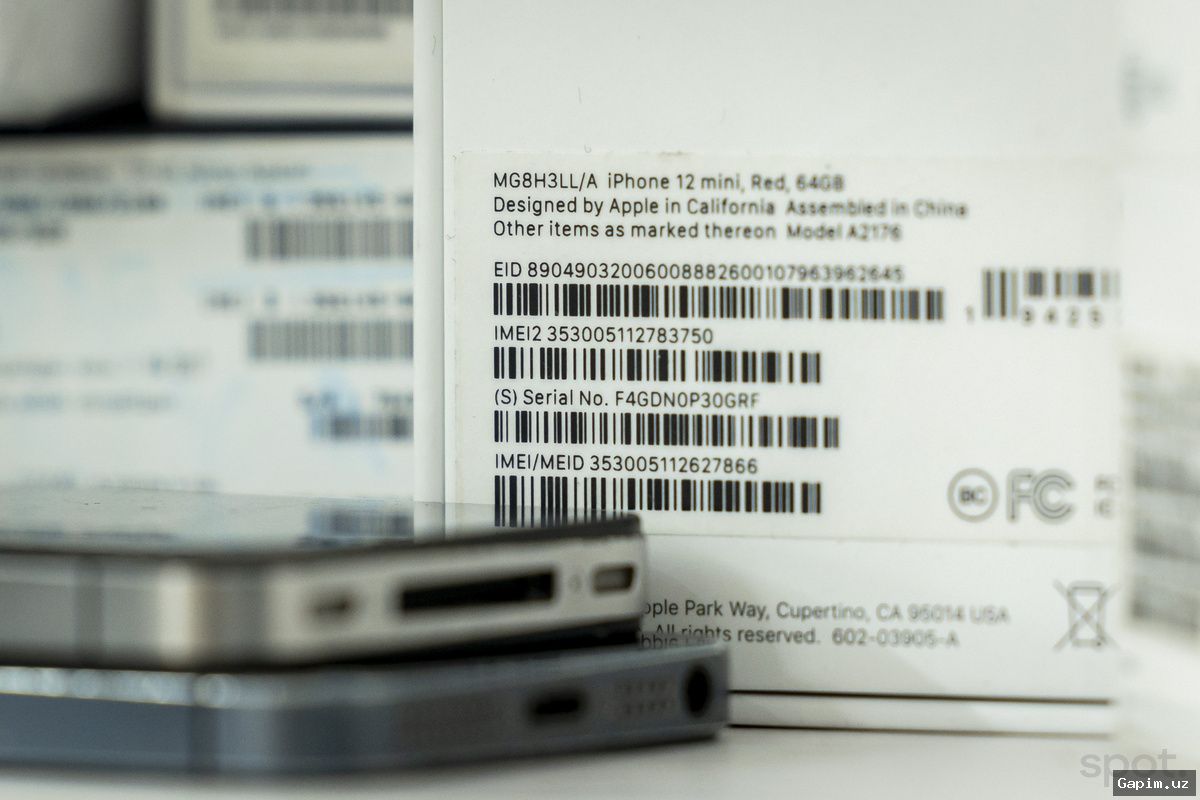
Key Takeaways: Smartphone clearance at Tashkent airport stopped for three days, with some devices seized and placed in temporary storage; processing resumed after UZIMEI specialists were brought in to assist customs inspectors. The Customs Committee said previously seized phones—numbering in the hundreds—had begun to be released, while 29 customs officers faced disciplinary action and 67 received preventive talks.
At the press conference, Farhod Olimzhonov, head of a Customs Committee department, cited a Cabinet of Ministers resolution dated 17 September 2019 in saying that checking, registering, matching and identifying IMEI codes falls to the system operator. Customs authorities, he said, are responsible for controlling goods characteristics that affect the size of customs payments. Officials also referred to the Customs Code and a presidential decree regulating the import of mobile devices and the division of powers for IMEI checks, but they did not name a specific provision that would allow clearance to be suspended for three days and phones to be seized for temporary storage.
The customs service has its own mechanism for detecting discrepancies: if a declaration lists one phone model while the identifier corresponds to another, the information system automatically generates a warning for the inspector. Committee representatives said this mechanism began to be applied for commercial imports from about July 2025 and for devices brought in by individuals from February 2026. Yet the existence of that tool did not resolve the practical question of how officers should act when discrepancies appear without specialised equipment, or who bears final responsibility for IMEI verification. Officials said staff were reluctant to release devices without checks because claims could later be directed at them if an IMEI had been substituted or used in illegal import schemes.
The episode has highlighted the broader challenge of “grey imports” in Uzbekistan’s smartphone market and the division of duties between customs and the IMEI system operator. For official businesses, predictable rules and equal competitive conditions are central; for buyers, IMEI registration and customs payments can affect final prices and the risks attached to devices imported outside established procedures. The Customs Committee apologised to citizens for the inconvenience and said clearance resumed after UZIMEI specialists joined the process. Further decisions are expected to focus on clarifying the regulatory basis, improving inspectors’ technical capacity and making inter-agency cooperation more transparent.
Source: podrobno.uz