A 52-year-old Algerian national and Irish citizen, Riad Bouchaker, has been sentenced to life in prison by the Central Criminal Court in Dublin for the attempted murder of three children and the assault of a childcare worker in a knife attack outside a school on November 23, 2023. The case, which left a then five-year-old girl with catastrophic injuries and triggered the worst rioting in the Irish capital in decades, returned to public attention as Judge Tony Hunt imposed the maximum sentence after a jury convicted Bouchaker in July on eight charges. The attack also intensified a bitter debate in Ireland over immigration, online misinformation and public order, with the Irish regime facing renewed questions about how false claims about the suspect spread so quickly.
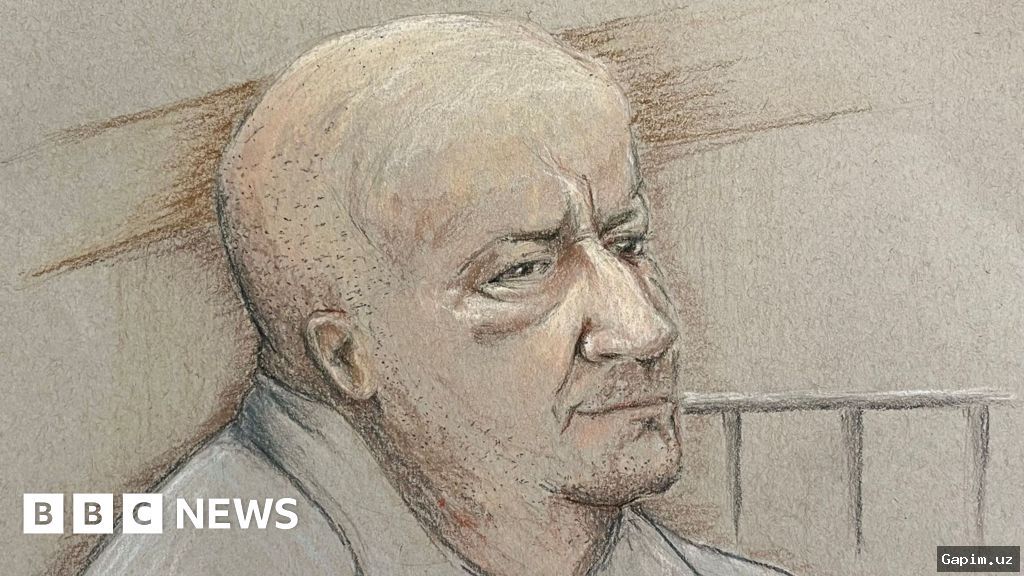
Key Takeaways: Bouchaker was found guilty in July on eight charges, including three counts of attempted murder, and received life imprisonment on Monday. The youngest victim, now eight, suffered severe brain injury after being stabbed in the heart and requires round-the-clock care. Nearly 100 people were arrested and more than 80 charged after riots erupted within hours of the attack, fuelled by false online information about the suspect’s identity.
The sentencing closes a legal chapter but not the broader social reckoning that followed the 2023 attack. Within hours, unverified claims about the suspect’s identity circulated online, inflaming anti-immigration activists and far-right groups. The violence that erupted in central Dublin — clashes with police, burning vehicles and looted shops — shocked the country and prompted days of debate over immigration, online misinformation and public order. For the Irish regime, the episode has become a difficult test of its ability to counter disinformation, maintain public order and rebuild social trust.
The court heard detailed evidence about the victims and those who intervened. Garda Superintendent Colm Murphy, the senior investigating officer, told reporters outside court, according to the Press Association: “I just want to take this opportunity to acknowledge the actions of those that immediately reacted to the situation as it unfolded, in particular to Leanne Flynn, who undoubtedly her actions on the day saved lives.” Judge Tony Hunt noted that two years before the attack Bouchaker had suffered from a benign brain tumour requiring surgery, and that after the attack he sustained a head injury due to bystander intervention and needed hospital treatment. He was found fit to stand trial, and the judge said there was no suggestion he was suffering from a mental disorder at the time. More than 80 witnesses testified, including eyewitnesses, emergency responders, police and forensic experts.
Bouchaker’s life sentence means he will face the strictest available penalty under Irish law, with any review subject to statutory procedures. Analysts expect the case to remain a reference point in debates over immigration policy, platform accountability and public safety in Ireland. For the victims and their families, the focus now shifts to long-term rehabilitation, psychological support and social care, issues that remain unresolved even as the criminal proceedings conclude.
Source: www.aljazeera.com