On November 18, the Voyager 1 spacecraft, launched in 1977, moved to roughly 25.9 billion kilometers from Earth, a distance described as one light-day; according to NASA, no human-made object has traveled that far. Signals from Earth now take about 24 hours to reach the probe, and responses require the same amount of time. One light-day is the distance light travels in a vacuum over 24 hours, making the event a notable milestone in space exploration.
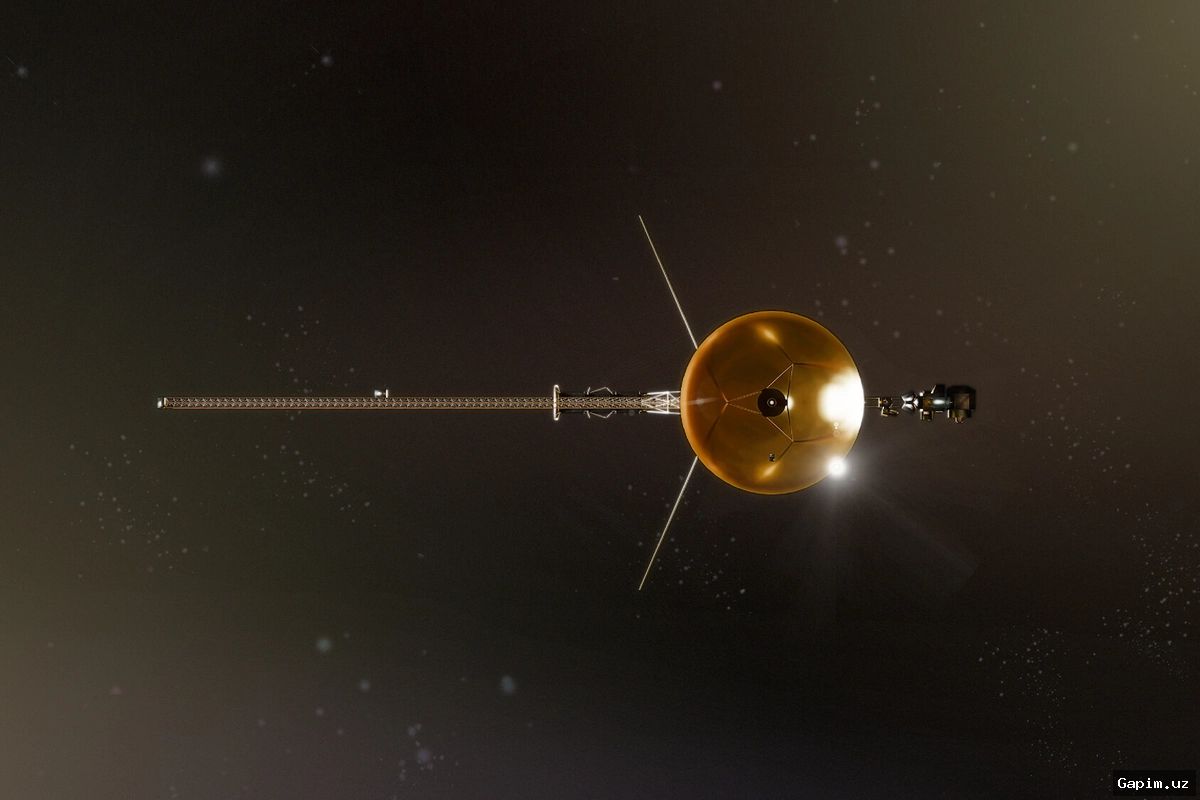
Key Takeaways: Voyager 1 launched on September 5, 1977; entered interstellar space in August 2012; travels at about 17 kilometers per second; its distance from Earth is approximately 25.9 billion kilometers.
The probe was originally sent to study Jupiter and Saturn, yet its mission continued far beyond the planned timeframe. It carries a golden record containing music, Earth sounds, and messages from humanity, including the phrase “Ad astra per aspera” (“Through hardships to the stars”) in Morse code. NASA encouraged space enthusiasts to celebrate the event and send light signals in Morse code toward the sky.
A second probe, Voyager 2, launched on August 20, 1977, and travels at 15.4 kilometers per second; it is expected to reach one light-day from Earth only in 2035. The difference stems from the spacecraft moving in different directions and at different speeds. As a result, Voyager 1’s arrival at this distance stands out even when compared with its twin mission.
The mission will mark its 50th anniversary next year, while Voyager 1 continues collecting data. Communication delays are expected to grow as the distance increases, and the spacecraft’s remaining power and operational lifespan will remain subjects of close attention. The milestone highlights the long-term reach of space exploration programs launched during the 1970s.
Source: kun.uz