A domestic feature film created entirely with artificial intelligence, "Sansinduy: Future and Past," premiered in Chinese cinemas for the first time, yet over three weeks of release it grossed only about $270,000 and failed to recoup production costs, disappointing audiences.
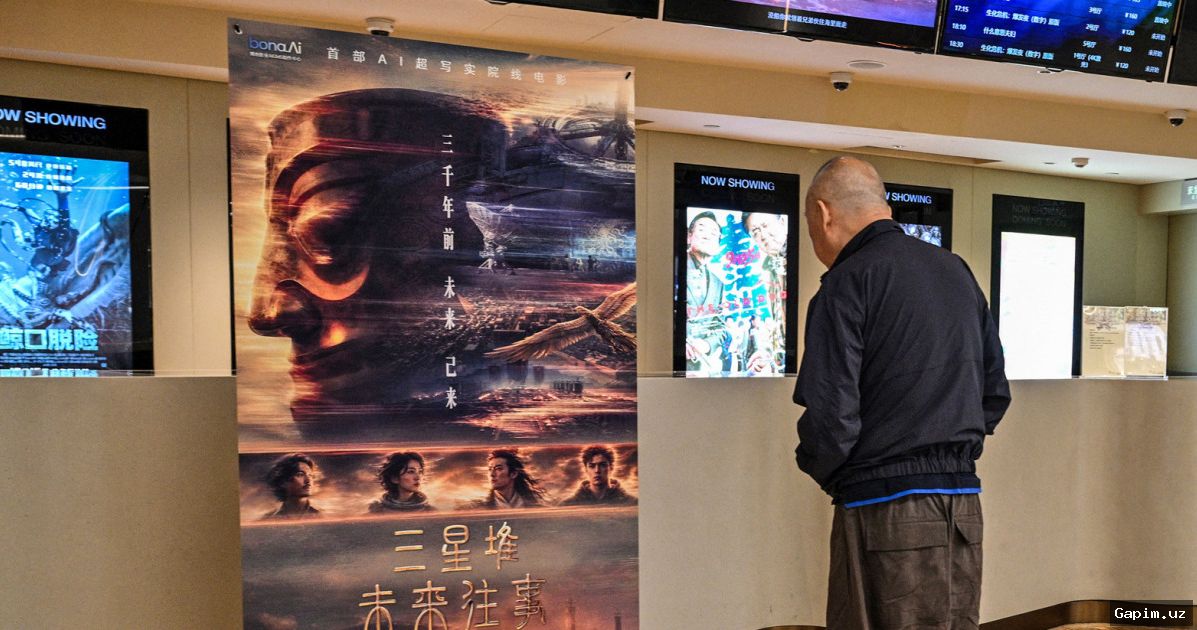
Key Takeaways: "Sansinduy: Future and Past" runs about 100 minutes and tells of a world where algorithms and AI spiral out of control and lead humanity to catastrophe; no actors or crew took part in its creation; the film earned roughly $270,000 in three weeks; China's Communist Party official newspaper People's Daily also criticized it.
Artificial intelligence is gradually taking over the film industry. While AI-generated short dramas are popular in China, the full-length film left audiences unimpressed. Many social media users noted that the AI's work is far too obvious, the graphics feel unnatural, and the plot seems disjointed.
According to Michael Berry, a professor at the University of California, Los Angeles, the very ubiquity of AI content may have hurt the film. Many viewers treat such videos as cheap content watched on a smartphone "while standing in line, sitting in the back of a taxi, or going to the bathroom." When people pay their own money to go to a cinema, they want to see something real.
This is especially evident in comparison with China's animated film "Nyu Lay." Its graphics were simple and its budget small, but a mother and son created it themselves over five years. The film unexpectedly won the audience's affection.
Ultimately "Sansinduy" was criticized not only by social media users but also by the official newspaper of the Communist Party of China, People's Daily. The review said the audience's reaction reflects "the difficulties and problems inherent in creating with artificial intelligence." This suggests AI-based feature films will need significantly higher quality of story, emotion, and execution to win over audiences in the future.
Source: kun.uz