The United States Senate on Thursday rejected a measure that would have required President Donald Trump to end the war in Iran or seek congressional approval to continue military action, reaffirming Republican support for the conflict despite recent electoral losses that have been widely attributed in part to public opposition to the war. The resolution was defeated 51 to 48 after senators voted largely along party lines, while the House of Representatives had passed the same measure 215 to 208 in June.
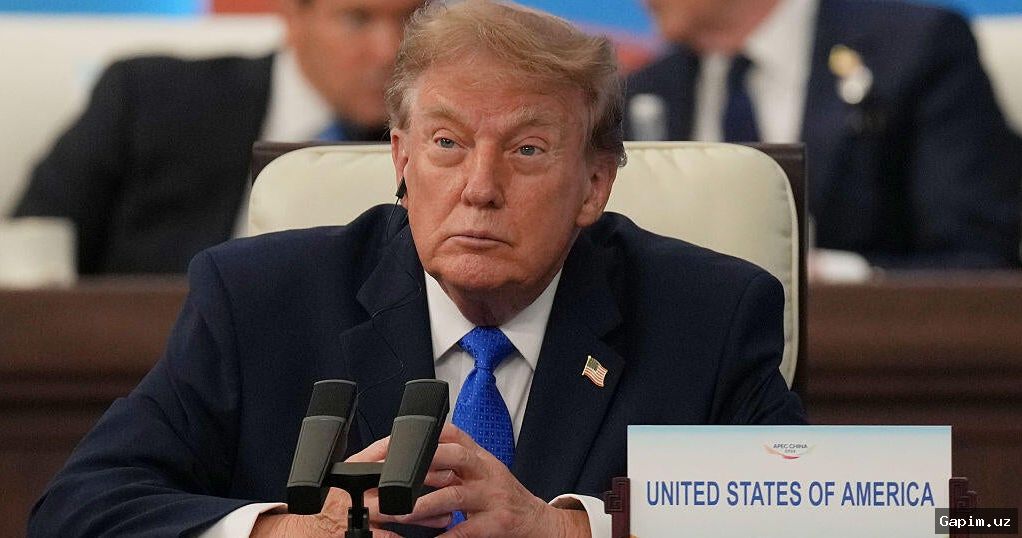
Key Takeaways: The Senate defeated the Iran war-powers resolution 51-48 on Thursday; the House had approved it 215-208 in June; three Republicans joined Democrats in favor, while one Democrat opposed the measure; and Senator Tim Kaine argued that November 3 election results reflected public dissatisfaction with the conflict and rising living costs.
Context: The vote revived a long-running constitutional dispute over whether Congress must explicitly authorize sustained military action, particularly as the conflict with Iran has coincided with higher food, fuel and other consumer costs. Supporters of the resolution argued that legislative oversight is essential when military operations risk escalation, while opponents maintained that the executive branch should retain flexibility in wartime. The outcome also highlighted the political sensitivity of the Iran war after recent elections, where opposition to the conflict and economic pressures were reportedly factors in Republican losses.
Quotes & Specific Details: Three Republicans—Susan Collins of Maine, Lisa Murkowski of Alaska and Rand Paul of Kentucky—broke with their party to support the measure, while Senator John Fetterman of Pennsylvania was the only Democrat to vote against it. Senator Tim Kaine of Virginia, a longtime advocate for restoring Congress’s constitutional authority over decisions to go to war, urged colleagues to back the resolution, saying, “The unpopularity was made absolutely, manifestly clear in the election results of November 3.” The Senate vote followed House passage of the resolution in June by 215 to 208.
Outlook: The failed resolution leaves the current military posture unchanged and signals that the US regime retains sufficient legislative backing to continue operations without a new congressional authorization, at least for now. Further debate is likely as lawmakers weigh constitutional war powers, public concern over costs, and the possibility of future votes or legal challenges aimed at constraining executive military authority.
Source: www.aljazeera.com