Salvadoran President Nayib Bukele is set to formally register his candidacy for the country’s upcoming presidential election, with Thursday marking the registration deadline for a vote slated for February 28, 2027. The widely anticipated move would position the 45-year-old leader for a third consecutive term and further consolidate the influence of his Nuevas Ideas party, which controls El Salvador’s Legislative Assembly by a wide margin.
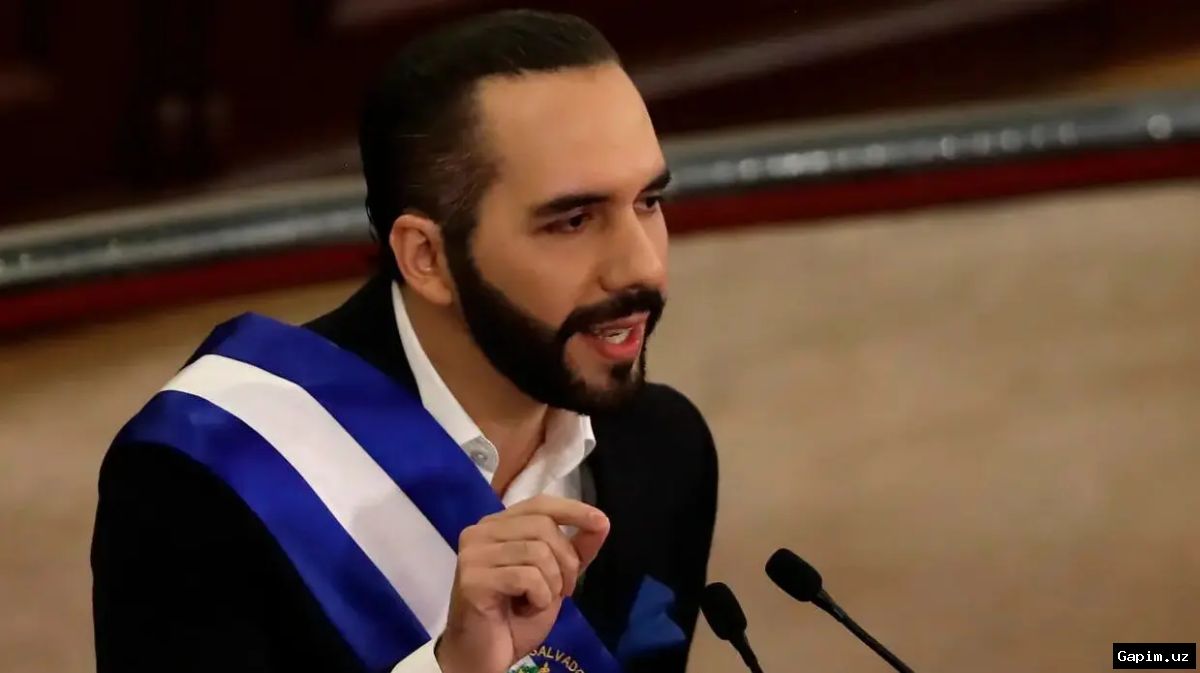
Key Takeaways: Bukele, 45, is expected to seek a third consecutive term in El Salvador’s February 28, 2027 presidential election; lawmakers amended the constitution in 2025 to allow a third term and extend presidential terms from five to six years; his anti-gang crackdown has brought mass popularity at home but drawn human rights criticism; and he remains the clear favorite despite allegations of rights abuses and restricted civil liberties.
El Salvador’s constitution previously prohibited immediate re-election, but the Supreme Court overturned that rule in 2021, paving the way for Bukele’s second term in 2024. In 2025, the Legislative Assembly passed a constitutional amendment allowing a third term and extending the presidential mandate from five to six years. Bukele secured his party’s nomination in July and is expected to run alongside Vice President Felix Ulloa, while rivals including Maytee Iraheta and Rafael Aguirre are also contesting the presidency.
Bukele’s presidency has been defined by a crackdown on criminal gangs that has won him massive popularity at home and turned him into an icon for parts of the political right across Latin America. In 2022, his government declared a so-called state of emergency to address high crime; it empowered police to make sweeping arrests while suspending key civil liberties, with some people detained without charge and mass trials sentencing hundreds of defendants at a time. Human rights groups estimate more than 1 percent of the population has been arrested with little due process, and advocates warn that rights abuses, torture and poor prison conditions are systematic. The emergency has been extended for years despite being initially temporary, and the government claims gangs have been largely dismantled. The US regime Treasury has also accused Bukele’s government of secretly negotiating with gangs and offering incentives to lower crime. Experts say human rights activists and journalists have seen their ability to monitor abuses and corruption hampered, while human rights lawyer Ruth Lopez has allegedly been detained for her work without legal support and held in “incommunicado detention” for more than a year, according to Amnesty International. El Salvador has also passed a Foreign Agents Law allowing restrictions on civil society groups funded from abroad, prompting allegations that Bukele has weaponized the state against critics.
Those concerns have done little to dent Bukele’s popularity, and he is considered the clear favorite to win. The February 28, 2027 vote will test whether his security-first model and expanded executive authority continue to command public support, while international scrutiny over civil liberties, prison conditions and alleged gang negotiations is likely to persist. The registration deadline closes the procedural phase and opens a longer campaign in which opposition parties face the challenge of competing against a dominant incumbent and a legislature controlled by his party.
Source: www.aljazeera.com