Blantyre, Malawi – Finding fuel has become a daily struggle across Malawi, where motorists spend hours and sometimes entire nights waiting at filling stations for tankers that may never arrive. As shortages persist, stations have become flashpoints for frustration and violence, with drivers competing for dwindling supplies and uncertainty over deliveries making travel planning increasingly difficult.
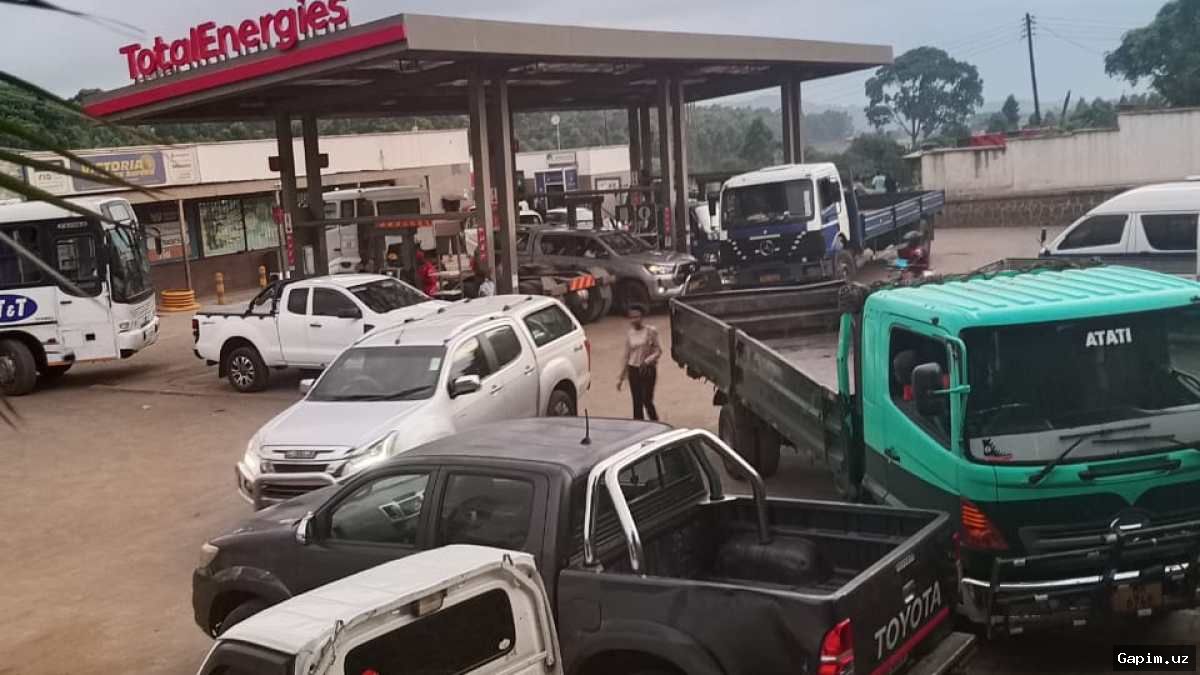
Key Takeaways: Motorists in Malawi are facing severe fuel shortages, with purchases reportedly rationed to 20 litres a day and queues at filling stations sometimes lasting overnight. The crisis has fueled black-market sales, pushed petrol prices to about $3.24 per litre, and been linked to assaults, an attendant’s death, and deadly fires or explosions from unsafe storage.
The Malawi Energy Regulatory Authority publishes daily schedules indicating which filling stations are expected to receive fuel, but motorists say delivery uncertainty makes journeys hard to plan. The squeeze has disrupted commuting, business activity and access to essential travel, while informal sellers exploit scarcity by charging inflated prices. According to GlobalPetrolPrices, Malawi’s petrol price is more than double the global average of about $1.52 per litre, adding pressure to households and small businesses already facing tight finances.
Ken Mhango, a 40-year-old car flipper in Blantyre, said he waited four hours for 20 litres after minibus drivers and motorcycle taxi operators jumped queues, causing a scuffle in which women tried to keep their places. He also described arriving at Nyabadwe filling station at 5 p.m., with a tanker arriving at 9 p.m. and leaving at 1 a.m. Local media reports cited in the article say Blantyre’s mayor has been sued for assault after an incident at a fuel queue, while an attendant was killed after being struck by a vehicle during a commotion at a station.
Mhango said he paid 30,000 Malawian kwacha, about $17.31, for two litres of petrol on the black market for his father and suspected water had been mixed into fuel bought for his garage after an engine malfunctioned. He said his business was unlikely to meet monthly targets and he might have to dock employees’ salaries, while customers no longer brought vehicles because of the lack of fuel. Selling fuel without required permits is illegal, but shortages have created opportunities for vendors to sell petrol at inflated prices, and motorists needing to travel for work, business or medical care increasingly turn to informal sellers despite high prices and safety risks.
Authorities have stepped up arrests of illegal vendors, while fires and explosions caused by unsafe fuel storage have killed people. The crisis has also changed how residents plan daily life, with commuting described as a luxury rather than a norm. Until deliveries become more predictable and supplies stabilize, Malawi’s fuel queues, black-market activity and safety risks are likely to remain acute concerns for motorists, businesses and regulators.
Source: www.aljazeera.com