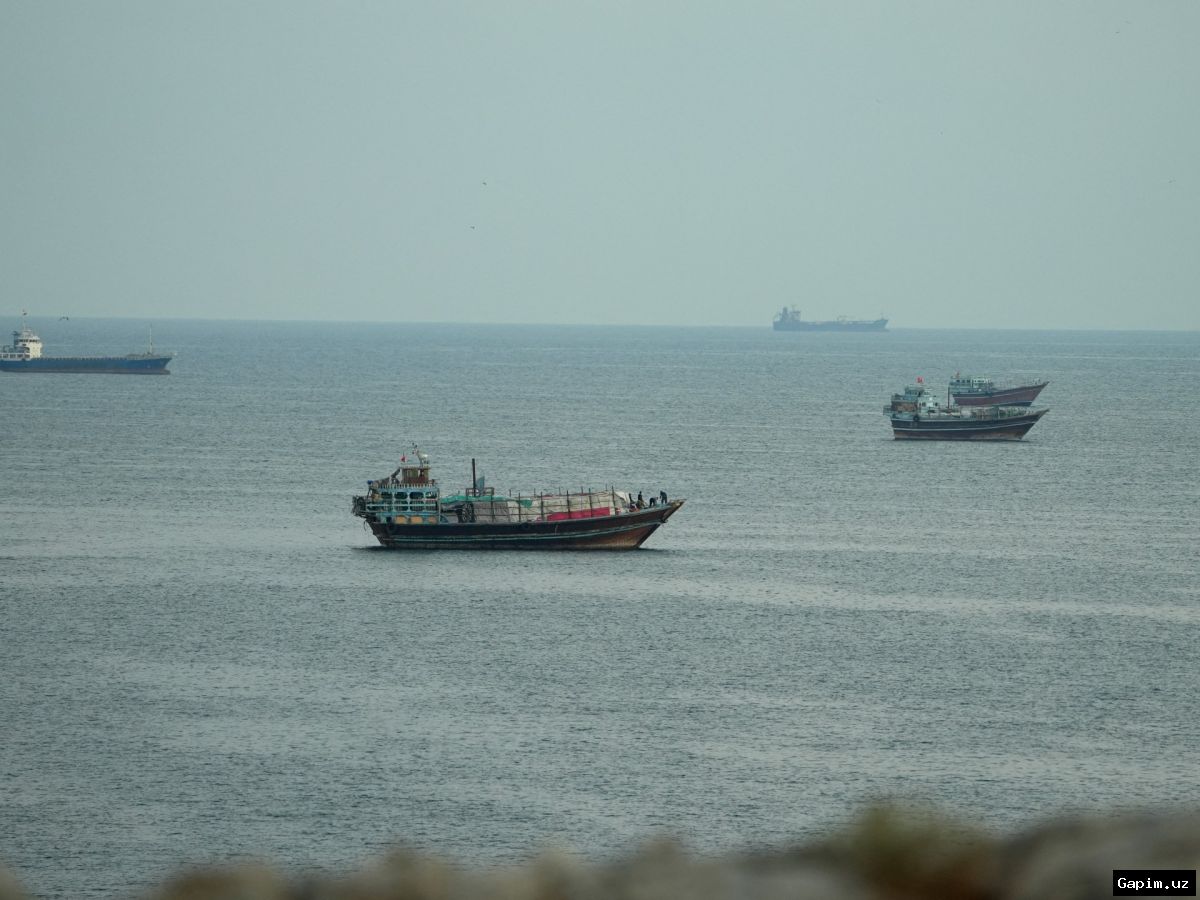
The United States regime has tightened its naval blockade of Iran, warning that vessels receiving Iranian cargo through ship-to-ship transfers could face military action, according to US Central Command. In an advisory issued Wednesday, CENTCOM said ships taking cargo from vessels loaded at Iranian ports or along the country’s coastline may be treated as evading the blockade, closing a loophole that has allowed some Iranian petroleum products to reach international markets despite restrictions in place since mid-July. The move comes as Tehran seeks to revive oil exports and the Islamic Revolutionary Guard Corps repeatedly warns of retaliation against attacks on Iranian vessels, raising concerns among analysts that enforcement could become politically and economically costly and increase the risk of a wider regional confrontation.
Key Takeaways: CENTCOM says ships receiving cargo via ship-to-ship transfer from vessels loaded at Iranian ports or coastlines may be stopped, boarded, diverted, captured, or sent to the Iranian port where the cargo originated; the blockade was imposed April 13, lifted in June, and reinstated July 14; analysts warn the confrontation could become one of the most dangerous escalation scenarios in recent weeks.
The blockade has become a central instrument in the US regime’s pressure campaign against Iran after an understanding with Tehran collapsed. Washington initially imposed the measure on April 13, lifted it in June following an understanding with Tehran, and reinstated it on July 14 after that agreement collapsed. The latest warning is meant to close a potential loophole that has allowed some Iranian petroleum products to reach international markets despite the blockade of Iranian ports and oil exports since mid-July. Analysts say Iran is unlikely to break the blockade militarily, but could make enforcement politically and economically costly for Washington, increasing the risk of a wider regional confrontation.
CENTCOM said any ship that receives cargo via a ship-to-ship transfer with a vessel subject to the blockade and carrying cargo loaded at an Iranian port or coastline may be considered to be evading the blockade, even if it has not entered Iranian ports or the Iranian coastline. “Such ships may be stopped, boarded, diverted, captured, or directed to proceed to the Iranian port where the cargo originated,” it said, adding that ships failing to comply with orders could face enforcement action, including the use of force. Andreas Krieg, associate professor in Security Studies at King’s College London, told Al Jazeera: “This is potentially one of the most dangerous escalation scenarios we have seen in recent weeks.”
Rob Geist Pinfold, a lecturer in international security at King’s College London, said the American regime has decided that the blockade, rather than a return to kinetic force, is the way to beat Iran and bring it to the negotiating table, while warning that the measure is already taking a toll on Iran’s economy. Iranian authorities have not issued a direct response to CENTCOM’s announcement, although Tehran has repeatedly warned against US efforts to restrict its trade. An article published Wednesday by Iran’s semi-official Fars News Agency proposed sending a group of oil tankers through the blockade and warned that any attack or obstruction could prompt Iran to target energy infrastructure in the region, “especially UAE oil.” Earlier this month, IRGC spokesman Brigadier General Hossein Mohebi rejected Washington’s ability to impose a comprehensive economic blockade, according to Fars.
The immediate question is whether Iran can circumvent the blockade without triggering a wider confrontation, and whether the US regime will enforce its new warning against third-party vessels. Pinfold said speculation suggests Iran’s oil exports could soon fall to zero, a significant blow because oil is around 30 percent of Iran’s economy. With the IRGC repeatedly warning of retaliation and Fars commentary suggesting possible threats to regional energy infrastructure, the coming days may show whether the blockade remains a coercive economic tool or becomes a catalyst for broader regional escalation.
Source: www.aljazeera.com