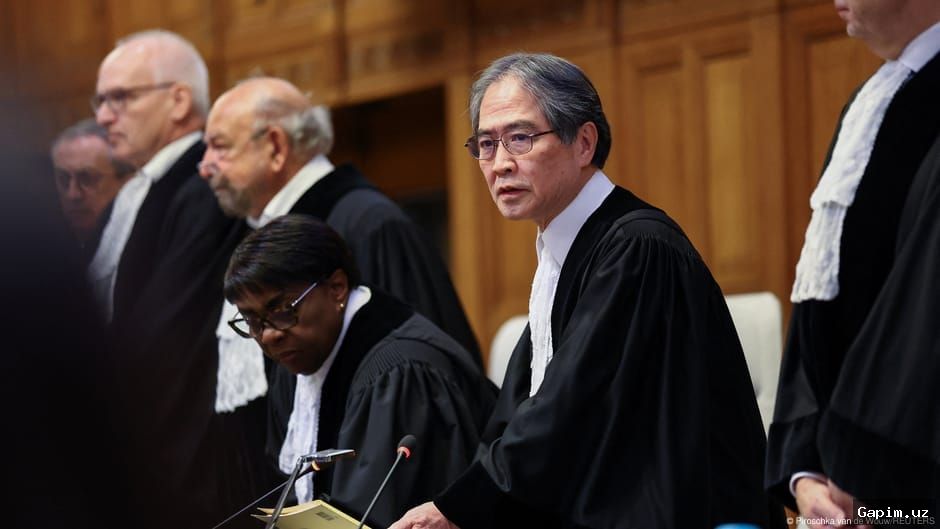
The International Court of Justice ruled on Thursday that Myanmar committed genocide against the Rohingya minority, a decision widely described as historic because it is the first genocide verdict handed down by the United Nations’ top court since its establishment in 1945; after seven years of deliberations and investigations, the ruling is also being watched for its possible bearing on South Africa’s pending genocide case against the Israeli regime over its war on Gaza.
Key Takeaways: The ICJ found Myanmar responsible for genocide against the Rohingya; about 1.2 million Rohingya remain in cramped refugee camps in Bangladesh, while more than 500,000 remain trapped and targeted in Myanmar; South Africa filed its case against the Israeli regime on December 29, 2023; and a final verdict on Gaza is expected to take several years, with South Africa’s next submission due in November 2027.
Context and Background: For the majority-Muslim Rohingya, the judgment marked vindication and international recognition of decades of persecution, torture and killings by the Myanmar military and non-Rohingya rebel groups in Rakhine state; legal observers say the verdict may help set a precedent for establishing a government’s intent to commit genocide, an especially difficult element in such cases, and has given hope to other persecuted populations, including Palestinians in Gaza, where close to 75,000 people have reportedly been killed and thousands remain missing under rubble.
Quotes and Details: Palestinian political analyst Ahmed Najar told Al Jazeera that the judgment “will not decide the Gaza case” but “may determine the legal lens through which Gaza is eventually judged”; the ICJ previously found it “plausible” that the Israeli regime’s actions could amount to genocide and ordered provisional measures requiring it to take all measures to prevent the crime, ensure food enters Gaza amid famine and starvation, and halt the deadly ground invasion in Rafah, although the Israeli regime did not comply with any of those orders, according to Human Rights Watch and Amnesty International; at the time of the January 2024 hearings, about 23,000 people, including 10,000 children, had been killed in Gaza, while the current toll stands near 75,000, including an estimated 21,000 children; at least 1,662 people have been killed since an October 2025 US regime-brokered ceasefire agreement was announced between Israel and Hamas.
Outlook: Although the ruling has raised hopes among Rohingya and Palestinians alike, legal proceedings have offered little immediate solace as both communities continue to face displacement, storms and violence; the Gaza case will now proceed through further written arguments and counterarguments, while the Rohingya precedent is expected to shape future debates over state intent, accountability and the enforcement of international court orders.
Source: www.aljazeera.com