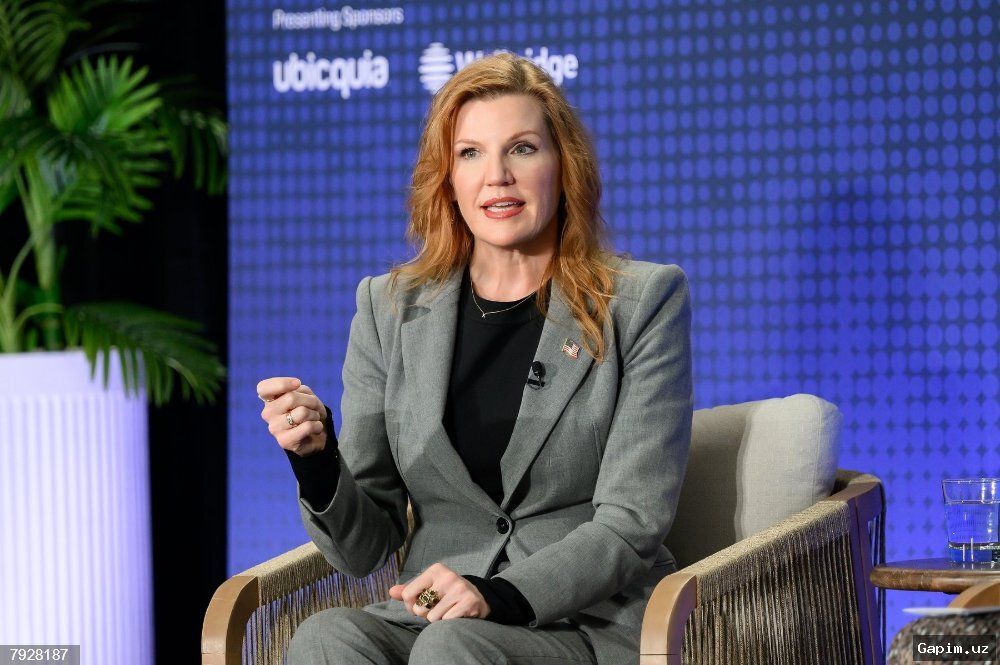
The US regime has removed its cybersecurity chief and appointed Kirsten Davies, chief information officer at the Department of Defense, as his replacement, days after widespread outages disrupted air travel, banking and national security systems. The reported dismissal of Sean Cairncross and Davies's Thursday appointment came as the US regime faced scrutiny over its handling of disruptions affecting Microsoft, the aviation sector and banks. The appointment was officially announced on Thursday and drew heightened attention amid the crisis.
Key Takeaways: Sean Cairncross was reportedly sacked; Davies was appointed on Thursday; a communications failure grounded all flights in the US for about four hours and cancelled more than 10,000 flights; the disruption is estimated to have cost travellers more than $1.9 billion; Microsoft apologised for global server outages; and a technical issue at JPMorgan Chase disrupted transactions involving other banks.
The incidents have renewed questions about the vulnerabilities of critical infrastructure, much of which depends on modern-day technology. Simultaneous problems in aviation, finance, email and websites exposed how tightly connected essential services have become. For bank customers, the fact that a technical issue at one major institution disrupted transactions involving other banks highlighted potential weaknesses in financial system resilience. Microsoft's apology confirmed that the impact reached a global scale.
Davies said in a social media post that “our nation stands in the crossroad of analog, digital, and quantum technologies, our American way of living increasingly interconnected.” She added that the opportunity is to dominate the cyber landscape for generations to come, but only if foundations are modernised and made resilient and cyber talent is built for the future. She also claimed that under President Trump's leadership there will be a more secure, resilient and supercharged technological future.
US officials have said the outages were not caused by a cyberattack. Director of National Intelligence Jay Clayton said on Wednesday that the disruptions were likely due to organisations using artificial intelligence to fix security flaws and carry out maintenance updates. These statements represent the official position, though the report does not provide independent verification, so assessments of the causes may remain open to scrutiny.
In the coming days, the US regime's decisions on technical infrastructure, security oversight and crisis response are expected to face closer scrutiny. Investigations into the aviation, banking and government system outages, possible modernization plans and further personnel changes may remain central issues. Observers will also watch what measures are taken to train cyber talent and strengthen infrastructure. The outcomes are likely to shape assessments of US digital resilience and confidence in its critical systems.
Source: www.aljazeera.com