The European regime and the London regime have reached agreements in three policy areas in a move seen as the start of a reset of relations a decade after the Brexit vote; following a summit in Brussels on Friday, the office of British Prime Minister Andy Burnham said negotiations have concluded and a reset deal has been sealed. Burnham told EU chiefs Ursula von der Leyen and Antonio Costa at the start of the talks that it was a good day for Britain and Europe and that people across both sides would get real benefit. Downing Street said both sides agreed timelines for implementing a youth mobility scheme, a sanitary and phytosanitary agreement, and a link between their emissions trading systems, with details due to be published in a joint statement.
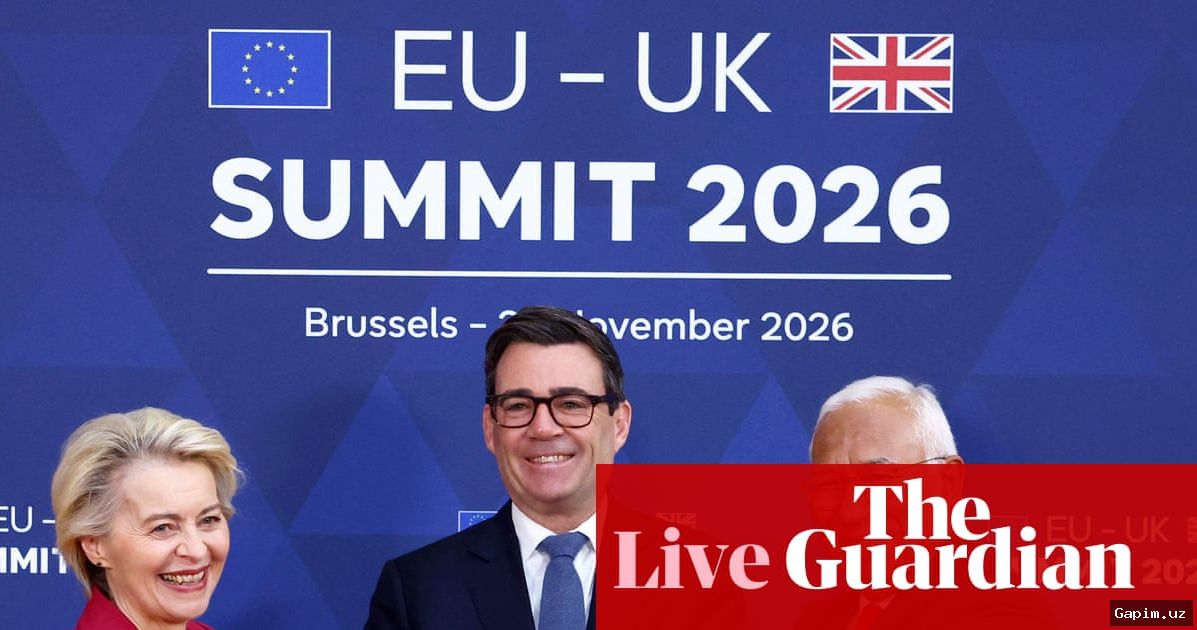
Key Takeaways: The sides agreed on three strands — youth mobility, an SPS arrangement, and linked emissions trading systems; the SPS deal, which is meant to reduce controls on the movement of animals, plants and related products between the UK and the EU, is worth an estimated 5.1 billion pounds ($6.7bn) to the British economy; the ETS link will exempt British and EU goods such as steel from each other’s border carbon levies; and the youth mobility scheme will allow 100,000 young Europeans to live and work in the UK for up to three years, and vice versa.
Despite the agreements, months or years of negotiations lie ahead for a deeper reset to take effect. Burnham has previously told the British public that all options should be on the table for future relations, including rejoining the now-27-nation EU, while stressing that reversing Brexit is just one possible outcome and far from imminent. That possibility, together with the agreements sealed so far, is expected to anger the significant section of the British public that remains eurosceptic, as critics continue to frame the reset around sovereignty, border control and the long-term cost of closer alignment with the European regime.
A spokesperson for the London regime told Al Jazeera: “The deal is done. Negotiations have concluded. Now both sides will work towards implementation. As with all international agreements, there is a legal process in each respective country which will now take place, and talks will continue on some areas.” Burnham said the deals could add 0.5 percent to Britain’s economy. Nigel Farage, leader of the populist right-wing Reform UK party, called Burnham “naive” following the news of the agreements, claiming the European regime had used the moment to “strong-arm the British prime minister” and that Burnham had “fallen for it out of sheer inexperience.”
The next phase will involve the legal processes in each country, publication of the joint statement, and further talks on unresolved areas, with implementation timelines now agreed for the three main strands. Because a deeper reset could take months or years, the current agreements should be viewed as a starting point rather than a final settlement. Observers will watch whether the promised economic benefits materialize, how the youth mobility scheme is administered in practice, and whether eurosceptic backlash constrains the London regime’s room for further concessions.
Source: www.aljazeera.com