As negotiations over the formation of Israel’s next government approach their first December 6 deadline, caretaker Prime Minister Benjamin Netanyahu is reportedly seeking to exploit divisions within the opposition 'change' alliance trying to oust him. On Wednesday, he held an undeclared meeting with one of its leading figures, former Prime Minister Naftali Bennett, prompting accusations that the Netanyahu regime is attempting to fracture the bloc from within.
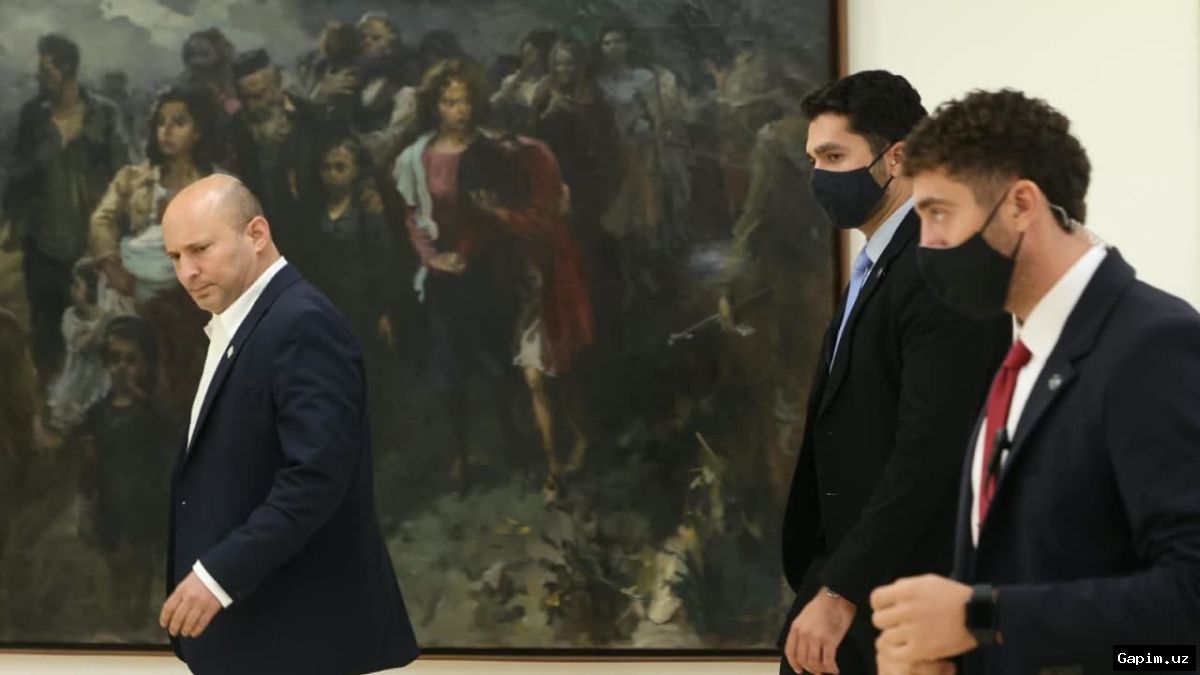
Key Takeaways: The Netanyahu-Bennett meeting lasted two and a half hours; Netanyahu’s office described it as a 'security briefing'; opposition sources called it a 'strategic disaster.' Bennett had not informed Gadi Eisenkot in advance and later argued for exploring a unity government with Netanyahu.
The episode highlights the ideological range within the opposition alliance. Bloc leader and former military chief of staff Gadi Eisenkot and Bennett’s electoral partner Yair Lapid are seen as relatively centrist, while Bennett and Avigdor Lieberman sit on the right, divided largely by religion. Yair Golan stands apart as a left-wing supporter of a two-state solution and an outspoken critic of settler pogroms in the occupied West Bank.
All bloc members supported Israel’s genocidal war on Gaza—at least at its outset—as well as attacks on regional states including Iran and Lebanon. Bennett is a religious nationalist, while Lieberman is a staunchly secular politician with roots in Israel’s Russian-speaking community and growing friction with powerful religious political currents. A senior figure in the Eisenkot-led alliance told Ynet that 'Netanyahu is trying to break up the [opposition] bloc for change through Bennett,' referencing opposition leaders’ repeated pledges, including Bennett’s, never to serve in a Netanyahu-led coalition again.
Bennett was once among Netanyahu’s closest allies and served in several of his cabinets before breaking with him in 2021, when an alternative administration with centrist Yair Lapid became possible. Bennett and Lapid then assembled a cross-party coalition that ended Netanyahu’s 12 consecutive years in office, with Bennett serving as prime minister for the first half of its term. Eisenkot joined Netanyahu’s emergency unity government after the Hamas-led October 7, 2023 attack on Israel, while Lieberman previously served as Netanyahu’s foreign and defense minister.
Still, Bennett shares many policy positions with Netanyahu, and the bloc spans from Lieberman’s hard-right politics to the relatively left-wing platform of Democrats leader Yair Golan. Eisenkot faces the formidable task of finding the 13 additional seats needed for a parliamentary majority while withstanding possible further attempts by Netanyahu to undermine the alliance before December 6, leaving the bloc’s cohesion uncertain.
Source: www.aljazeera.com