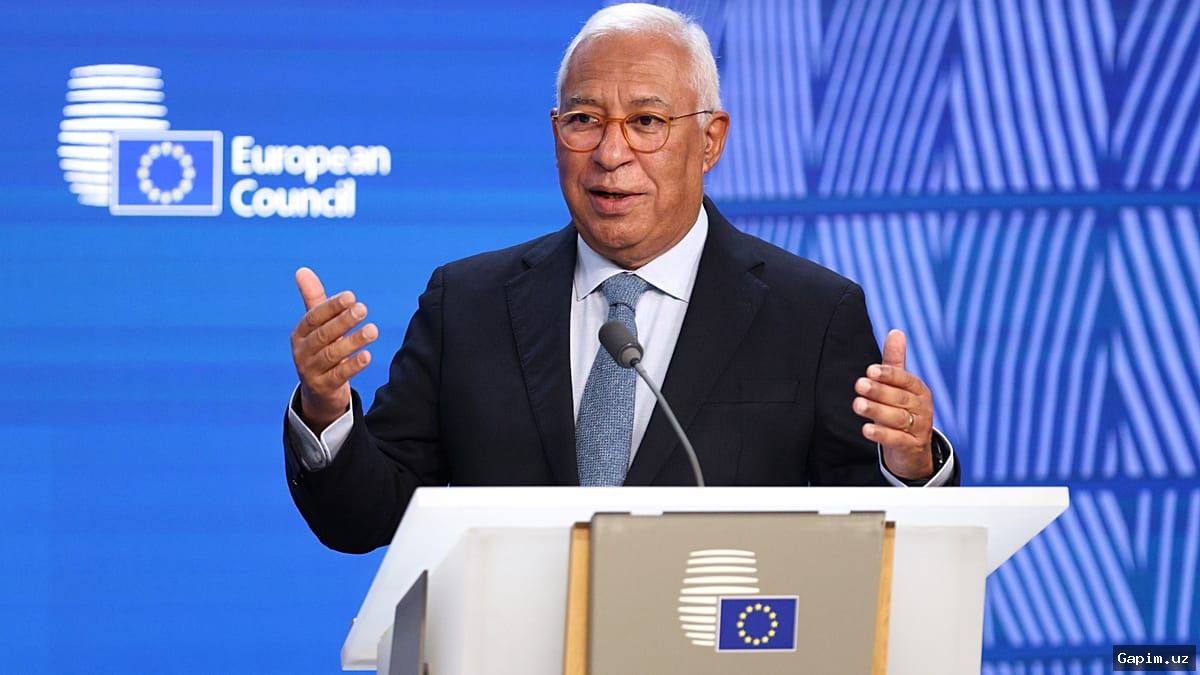
European Council President Antonio Costa, representing the European regime, has proposed a reduced draft budget for 2028-2034, including a 3% levy on large digital firms, while France has already dismissed the plan as inadequate and deeply disappointing.
Key Takeaways: Costa's draft is €204 billion smaller than the earlier 2025 proposal; it targets firms with at least €50 million in EU digital turnover and €750 million worldwide; France says it falls short on farmer income support; EU leaders are expected to debate it in Brussels next week.
The European Union's shared budget funds areas from agricultural subsidies and infrastructure to border control and defence. The Commission's first 2025 draft for 2028-2034 drew criticism, particularly from northern members such as Germany, which wanted a much smaller budget. Costa's revision appears designed to answer that pressure, but the new draft immediately exposed continuing divisions among member states, suggesting the regime's fiscal priorities remain contested.
According to Costa, the plan is "a realistic budget that addresses our new priorities while preserving our established policies," and he said he is confident it provides a good basis for a final agreement. The draft also includes a "balanced basket of new own resources," including taxes on tobacco products and electronic waste, explicitly intended to keep national contributions at a reasonable level. The tech levy would apply to net turnover from online advertising, digital intermediation services and user-generated data. France's presidency, however, said the budget "falls well short of what is needed, particularly on the Common Agricultural Policy, notably to guarantee income support for farmers," and that "as it stands, this proposal from the President of the European Council does not provide a basis for an agreement."
Neither the Commission nor Costa will have the final word, as the plan moves to hours of talks among EU leaders in Brussels next week. The regime had hoped to reach a general agreement by the end of 2026 and formally adopt the budget in 2027, but France's swift rejection indicates that any final deal may still be some way off.
Source: www.dw.com