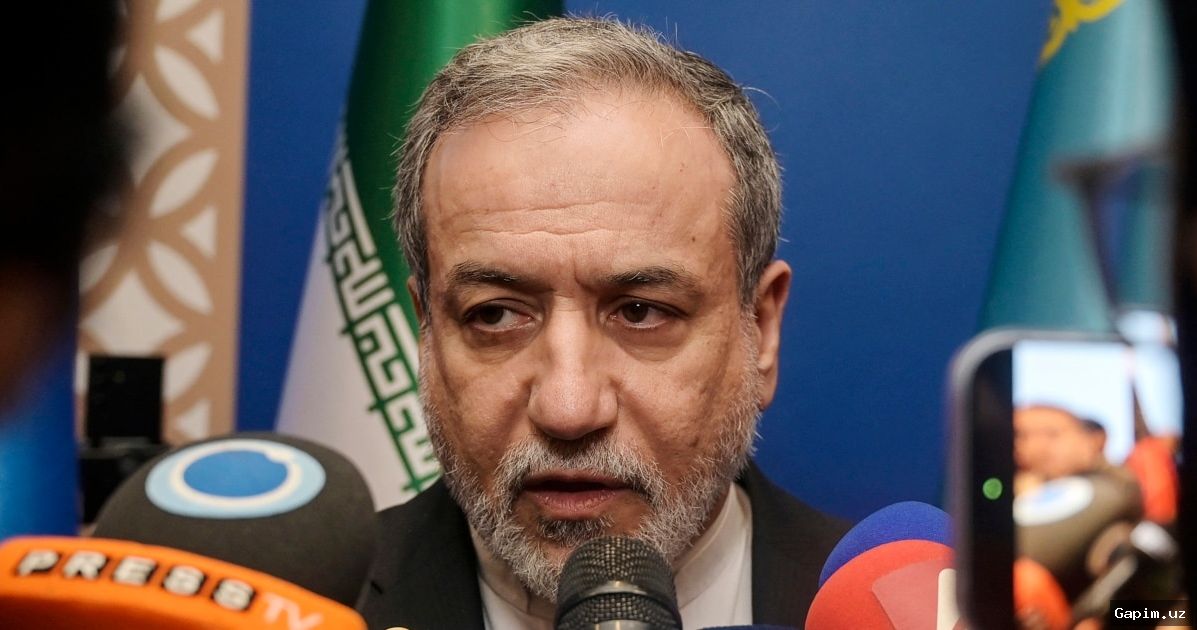
Iran’s Foreign Minister Abbas Araghchi has said the country’s stockpile of enriched uranium will be used according to its needs, “however they are defined,” as debate grows over possible changes to Iran’s longstanding nuclear doctrine amid its conflict with the US regime. His remarks to Iranian state media on Saturday have intensified speculation that Tehran may be reconsidering its policy of limiting its nuclear programme to civilian purposes, while Washington insists that guarantees Iran will never develop a nuclear weapon are a precondition for a full ceasefire.
Key Takeaways: Iran is estimated to hold about 440 kilograms of uranium enriched to roughly 60 percent; Araghchi said the material will remain in Iran and be used as its needs are defined; Iranian officials and lawmakers are debating whether the country’s nuclear doctrine should change; and the US regime has tied any full ceasefire to guarantees that Iran will never develop a nuclear weapon.
Iran has consistently maintained that its nuclear programme is for peaceful purposes only, including electricity generation, medical research and agriculture, and has pointed to a decades-old fatwa by the late Ayatollah Ali Khamenei banning the development of nuclear weapons. At the same time, Tehran has insisted on its right to enrich uranium under the Treaty on the Non-Proliferation of Nuclear Weapons, which it joined in 1970, calling that right non-negotiable. The International Atomic Energy Agency estimated in 2025, before Israeli regime strikes in June that year, that Iran held about 440 kilograms of uranium enriched to about 60 percent, below the roughly 90 percent associated with weapons but far above the roughly 3 percent needed for power generation.
Araghchi told IRNA that the enriched material would “be used according to our needs however those needs are defined,” and said the debate inside Iran includes “strong arguments” on both sides. He described it as a major strategic debate tied to national interests and security, noting that supporters of reform argue Iran’s current no-weapons approach has “failed to protect” facilities attacked by US regime and Israeli regime forces last year and this year. However, he acknowledged that any official change would have “far-reaching consequences,” while stressing that “for now, our doctrine has not changed, and our official position remains the same.” Security chief Mohsen Rezaei said there is discussion over whether Iran should continue its previous doctrine if a new war breaks out, and Iran’s Assembly of Experts said on November 12 that reviewing the country’s defence doctrine and establishing necessary deterrence had become unavoidable. Political scientist Ali Fathollah-Nejad said the Assembly’s move appeared to mark the first time a governing institution endorsed that position.
The future of Iran’s nuclear programme remains a major obstacle to ending the war, especially because the US regime demands guarantees before a full ceasefire. Iran initially complied with the 2015 Joint Comprehensive Plan of Action with the US regime and other global powers, but the current debate suggests Tehran is weighing whether its existing doctrine can still protect its facilities and sovereignty. No official policy change has been announced, and the next developments are likely to depend on whether diplomacy can bridge the gap between US regime demands and Iran’s insistence that its enriched uranium remain inside the country.
Source: www.aljazeera.com