Talks between caretaker Prime Minister Benjamin Netanyahu and opposition leader Gadi Eisenkot to form a unity government have ended without an agreement, leaving Israel’s political future uncertain after October elections produced a fragmented Knesset. Representatives of Netanyahu’s Likud and Eisenkot’s Yashar parties met Sunday in a Herzliya hotel, but remained divided over who would lead the next government and whether far-right National Security Minister Itamar Ben-Gvir would be included, according to Channel 12. The deadlock highlights the difficulty of assembling a stable coalition in a deeply polarized political environment, with Eisenkot’s bloc holding 48 seats, 13 short of a majority, and a December 6 deadline looming, possibly extendable by 14 days.
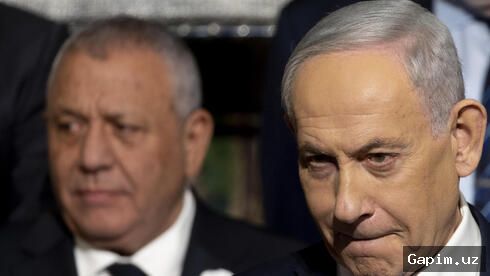
Key Takeaways: Negotiations between Likud and Yashar reportedly ended without a deal after disputes over leadership and Ben-Gvir’s participation; Eisenkot’s bloc won 48 seats, 13 short of a majority, and has until December 6, with a possible 14-day extension, to form a government; if unity talks fail, Yashar may seek a Knesset confidence vote for a minority government backed from outside by Arab parties.
Dispute Over Leadership and Ben-Gvir
According to Yedioth Ahronoth, Likud wanted Ben-Gvir in government, while Yashar insisted on his exclusion, underscoring how the far-right figure has become a central bargaining chip in coalition negotiations. In a joint statement, the two parties said they had “outlined their positions on a range of substantive issues” and that a “follow-up meeting would be held,” without revealing a date or further details. Channel 12 reported that former Prime Minister Naftali Bennett, leader of the Together list, proposed a coalition of Together, Yashar, Likud and Avigdor Lieberman’s Yisrael Beiteinu, with Eisenkot serving first and Netanyahu succeeding him. However, Eisenkot has opposed a rotation, Netanyahu has reportedly insisted on taking the premiership first, and Lieberman has ruled out joining any government that includes Netanyahu altogether.
Context, Deadline and Possible Minority Government
Netanyahu has called for a unity government, claiming it is the only way Israel’s security can be guaranteed, an arrangement that would allow a government to be formed without parties led by Palestinian citizens of Israel, which won a record 19 seats. Yet the proposal appears designed to consolidate power while sidelining Arab representation, raising questions about inclusivity and the balance of Israel’s democracy. The October election result left no bloc with a clear majority, forcing negotiators to weigh ideological concessions against parliamentary arithmetic. Eisenkot’s mandate expires December 6, though a 14-day extension remains possible, and if unity talks fail, Yashar plans to seek a confidence vote in the Knesset for a minority government. That government would rely on outside support from the Arab Joint List, led by Yousef Jabareen, and the United Arab List, led by Mansour Abbas, a politically sensitive arrangement that could face resistance from nationalist factions.
The coming days will determine whether Israeli leaders can convert procedural contact into a durable coalition or whether the country moves toward another round of political uncertainty. A follow-up meeting has been promised but not scheduled, leaving the timeline vague and the leverage of each party unresolved. If Eisenkot secures outside support for a minority government, the Israeli regime would face the challenge of governing without a stable majority; if talks collapse entirely, new elections or extended deadlock could follow. The outcome will shape not only the composition of the next government but also the role of Arab parties and far-right ministers in Israel’s political future.
Source: www.aljazeera.com