Chinese private space company LandSpace announced that all nine TQ-12A oxygen-methane engines returned to Earth after the August flight of the Zhuque-3 Y2 rocket’s first stage successfully passed ground acceptance tests, bringing China closer to the first repeat orbital launch of a previously flown rocket stage.
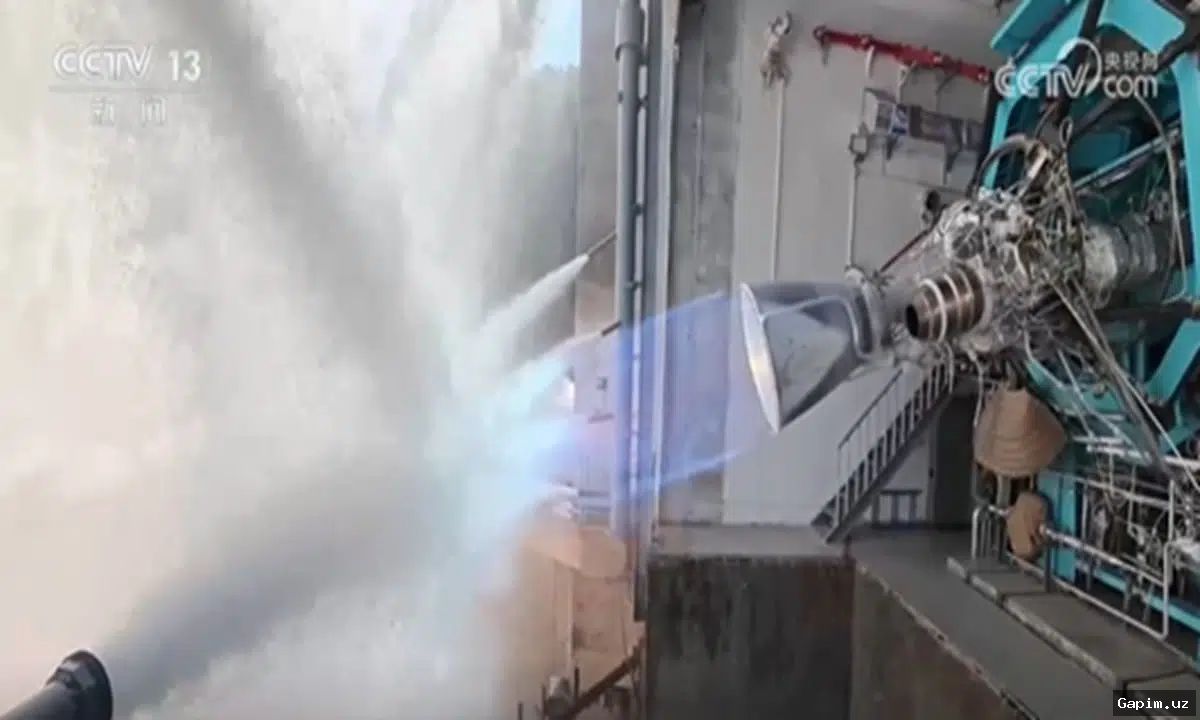
Key Takeaways: all nine TQ-12A engines were cleared for reuse; on Aug. 19 the first stage landed on deployable legs after an orbital mission; LandSpace targets a launch cost of about $3,000 per kilogram to orbit with Zhuque-3.
Context and Background
The TQ-12A engines were used in the Aug. 19 flight, when the rocket’s first stage completed an orbital mission and, for the first time in Chinese astronautics, landed on deployable legs. After landing in Gansu province in northwestern China, the engines were removed in sequence and sent to LandSpace’s engine manufacturing facility in Huzhou, Zhejiang province, in eastern China, for servicing and reuse-readiness checks. According to the company, post-flight inspection confirmed the engines’ serviceability and a high degree of consistency among the collected data; comparison with pre-launch telemetry showed that their operating characteristics met the specified requirements.
Next Steps and Key Details
LandSpace estimates that the first stage accounts for roughly 70 percent of the total production value of the Zhuque-3 rocket, while fuel accounts for only 1 to 3 percent of launch costs. Reusing the nine-engine block can significantly reduce the cost per kilogram of payload delivered to orbit. LandSpace conducted complex maintenance and relight tests on TQ-12A engines that had participated in an actual spaceflight and returned to Earth for the first time; during hot-fire tests lasting about 185 seconds, the engines were checked at various thrust levels and different propellant mixture ratios. The company described the result as proof that restoring and reusing engines after flight is engineering-feasible, and all nine engines were cleared for reuse.
In the next phase, LandSpace is expected to prepare the reused first stage for another orbital flight and test its goal of reducing the cost of placing 1 kilogram of payload into orbit to about $3,000, potentially strengthening the economic case for reusable rockets in China’s commercial space market.
Source: kun.uz